









Israel’s Premier Expresses Gratitude to Hungarian Ultraconservatives for Defense of Western Civilization
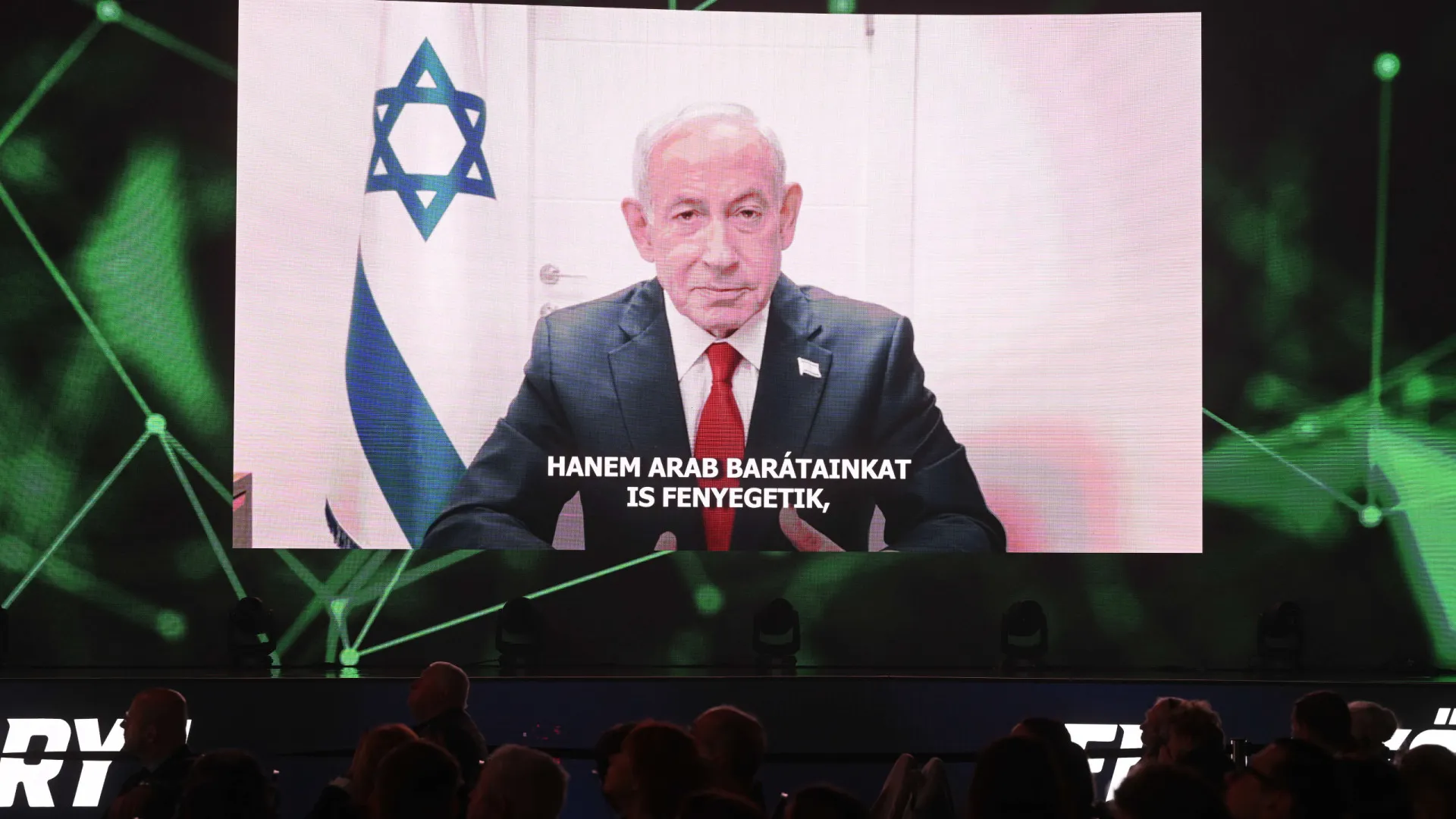
In a move that has garnered significant attention in the international community, Israeli Prime Minister has extended a message of appreciation to the leaders of Hungary’s ultraconservative groups, acknowledging their unwavering support for Western civilization and the state of Israel. The prime minister’s words, delivered in a diplomatic gesture, have been perceived as a nod of gratitude for the far-right groups’ stance against radical Islamic extremism.
A Complex Alliance: Historical Context and Implications
The Israeli-Hungarian alliance has its roots in the country’s shared concerns regarding the rise of Islamic extremism and the perceived threat to Western values. Since the 1950s, Hungary has maintained a strong relationship with Israel, with both nations cooperating on defense and security matters. However, the current alignment with ultraconservative groups in Hungary marks a distinct shift in the dynamics of their partnership. Hungary’s Viktor Orbán has been a vocal advocate for a more robust stance against immigration and Islamic radicalism, echoing concerns expressed by the Israeli government.
The Rise of Far-Right Nationalism: Regional and Global Implications
The growing influence of far-right nationalism in Hungary has far-reaching implications for the region and the world at large. Orbán’s policies, including the promotion of Christian values and the restriction of Muslim immigration, have sparked heated debates within the European Union. As tensions escalate, the Hungarian government’s stance on the issue has become a litmus test for other European nations grappling with their own responses to the migrant crisis.
Civilizational Defense and the Role of Israel
The Israeli prime minister’s reference to the Hungarian ultraconservatives as “a position advanced” in the defense of Western civilization highlights the country’s perception of itself as a bulwark against radical Islamic extremism. This narrative has been central to Israel’s foreign policy, with the nation positioning itself as a key ally in the global fight against terrorism. However, critics argue that this stance risks exacerbating existing tensions between Israel and the Muslim world, further entrenching the country’s isolation on the international stage.
Conclusion: A Complex Web of Alliances and Interests
The Israeli prime minister’s message to Hungarian ultraconservatives serves as a poignant reminder of the complex web of alliances and interests that shape global politics. As the world grapples with the challenges of terrorism, immigration, and cultural identity, nations are increasingly forced to navigate treacherous terrain. While Israel’s stance against radical Islamic extremism is likely to find common ground with like-minded nations, the implications of this alliance will undoubtedly be far-reaching, with far-right nationalism and its attendant risks posing a pressing concern for the international community.