









Vandalism and Protest: A Delicate Balance in Nova Scotia
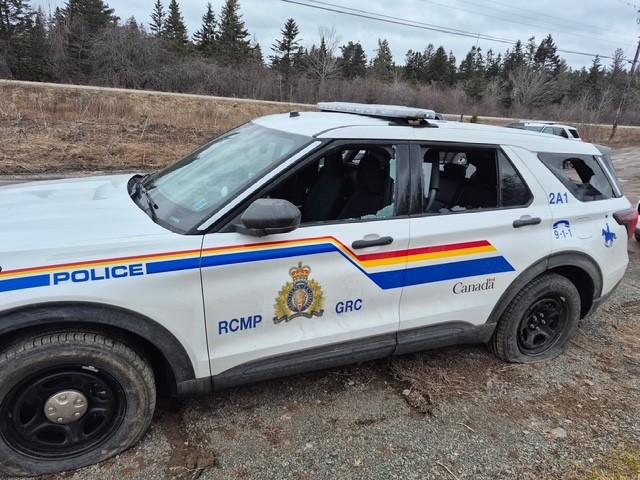
In recent years, the relationship between law enforcement and the communities they serve has been a subject of increasing scrutiny. The latest incident in Nova Scotia highlights the complexities of this dynamic. According to the Royal Canadian Mounted Police (RCMP), several of their cruisers were vandalized after officers were forced to leave them behind during a protest on Thursday.
Background and Context
Protests have become a staple of modern activism, with individuals and groups using various forms of expression to bring attention to their causes. However, when these gatherings turn violent or destructive, they can have far-reaching consequences. In this case, the RCMP’s cruisers were left abandoned, leaving them vulnerable to damage.
Historical Precedents
Similar incidents have played out in other jurisdictions, where law enforcement vehicles have been targeted during protests. For instance, in 2020, several police cars were damaged during protests in the United States, highlighting the potential for destruction when tensions rise. In Canada, the relationship between law enforcement and Indigenous communities has been a long-standing issue, with protests and blockades becoming a regular occurrence.
Nova Scotia’s Unique Challenges
Nova Scotia’s protest scene is characterized by a complex mix of local and national issues. The province has a history of Indigenous activism, with many communities pushing for greater recognition and rights. However, the recent protest in question was not directly related to Indigenous issues, but rather focused on other local concerns.
The RCMP’s Response
In response to the vandalism, the RCMP has issued a statement emphasizing the importance of respecting property and the rule of law. The force has also announced plans to increase patrols in the affected areas, with a focus on maintaining public safety. While the RCMP’s actions are understandable, the incident raises important questions about the delicate balance between law enforcement and community expression.
Conclusion
The incident in Nova Scotia serves as a reminder of the complex dynamics at play in modern activism. While protests are a legitimate means of expressing dissent, they can also turn violent or destructive, leading to unintended consequences. As communities continue to grapple with these issues, it is essential to strike a balance between respecting the rights of protesters and protecting public safety. By examining the historical context and nuances of these incidents, we can work towards a more informed and constructive dialogue about the role of law enforcement in our communities.
Source: globalnews.ca