









Quebec’s Fiscal Outlook: A Delicate Balance of Deficit and Economic Growth
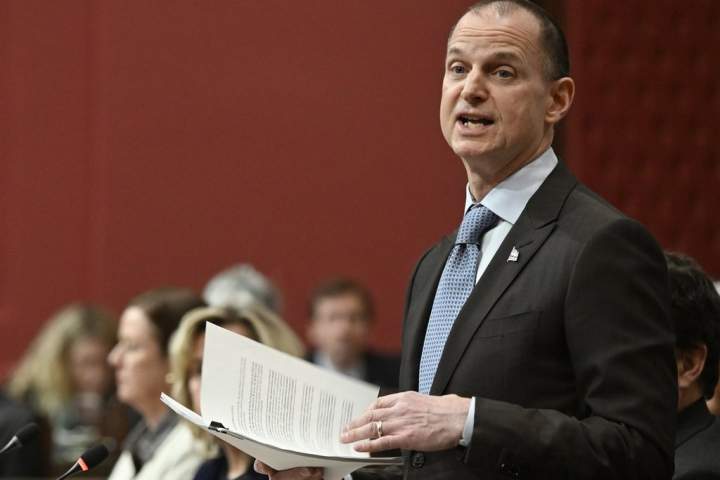
The Canadian province of Quebec has been grappling with the challenges of managing its finances, particularly with regards to its projected deficit. In his last fiscal update, presented in November, Finance Minister Eric Girard revealed that the province was facing a deficit of $12.4 billion. This announcement has sparked widespread interest and debate among economists, policymakers, and the general public, highlighting the complexities of Quebec’s fiscal situation.
A Historical Context of Fiscal Challenges
Quebec’s fiscal challenges are not a new phenomenon. The province has been dealing with budget deficits for several years, with the current deficit being a legacy of the COVID-19 pandemic. The pandemic led to a significant decline in revenue, as well as increased spending on healthcare and social programs. This has created a perfect storm of fiscal challenges that the province is still trying to navigate.
The Impact of the Deficit on Quebec’s Economy
The projected deficit of $12.4 billion is a significant concern for Quebec’s economy. A high deficit can lead to increased borrowing costs, which can have a ripple effect on the entire economy. Furthermore, a large deficit can also lead to reduced investor confidence, making it more difficult for the province to attract businesses and create jobs. In this context, it is essential for the province to implement effective fiscal policies to reduce the deficit and promote economic growth.
Measures to Address the Deficit
In response to the projected deficit, the Quebec government has announced several measures to address the issue. These include a plan to reduce spending, increase revenue through taxes, and implement cost-saving measures. Additionally, the government has also committed to investing in key sectors such as infrastructure, education, and healthcare, which are critical to promoting economic growth and improving the quality of life for Quebecers.
A Path Forward: Balancing Deficit Reduction with Economic Growth
While the projected deficit is a significant concern, it is essential to strike a balance between deficit reduction and economic growth. The Quebec government must implement a combination of fiscal policies that promote economic growth while also reducing the deficit. This can be achieved through a mix of tax reforms, spending reductions, and investments in key sectors. By taking a proactive and forward-looking approach, the province can create a more sustainable fiscal framework that promotes economic growth and improves the quality of life for Quebecers.
Conclusion: A Delicate Balance Ahead
Quebec’s fiscal outlook is a complex and multifaceted issue that requires careful consideration and planning. While the projected deficit is a significant concern, it is essential to strike a balance between deficit reduction and economic growth. By implementing effective fiscal policies and investing in key sectors, the Quebec government can create a more sustainable fiscal framework that promotes economic growth and improves the quality of life for Quebecers. Ultimately, the key to success lies in striking a delicate balance between fiscal responsibility and economic growth.
Source: globalnews.ca