








Mental Health Crisis Among Children and Adolescents in São Paulo: Experts Weigh in on Contributing Factors
A recent surge in hospitalizations and treatment for mental health disorders among children and adolescents in São Paulo has sparked concern among healthcare professionals and policymakers. Data reveals a significant increase in cases, prompting experts to point to the COVID-19 pandemic, social changes, and inadequate infrastructure within the public healthcare system as key contributing factors.
The Alarming Rise in Mental Health Cases
According to reports, the number of children and adolescents seeking treatment for mental health issues, such as depression, anxiety, and attention deficit hyperactivity disorder (ADHD), has skyrocketed in recent years. This trend is particularly concerning in São Paulo, where the city’s dense population and rapid urbanization may exacerbate existing social and economic challenges.
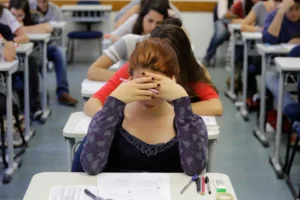
Experts attribute the rise in mental health cases to the COVID-19 pandemic, which has had a profound impact on the mental well-being of children and adolescents worldwide. The prolonged period of social isolation, disrupted education, and increased stress levels have taken a significant toll on the mental health of young people. In São Paulo, the pandemic has also accelerated the shift to online learning, which can further exacerbate feelings of loneliness and disconnection.
Social Changes and the Impact on Mental Health
Social changes, including increased exposure to social media and the pressure to conform to societal expectations, are also contributing to the mental health crisis among children and adolescents. Experts warn that the constant scrutiny and comparison on social media can lead to feelings of inadequacy, low self-esteem, and anxiety.
Furthermore, the increasing prevalence of single-parent households and the rise of non-traditional family structures may also be contributing to the mental health crisis. Children and adolescents from these households may face additional stressors, such as financial insecurity and lack of access to resources, which can exacerbate existing mental health issues.
Lack of Infrastructure in the Public Healthcare System
The lack of infrastructure within the public healthcare system in São Paulo is also a significant concern. Experts point to inadequate funding, insufficient staffing, and outdated facilities as major barriers to providing effective mental health care to children and adolescents.
The shortage of mental health professionals, particularly in rural and underserved areas, means that many children and adolescents are unable to access the care they need. This can lead to delayed diagnosis, inadequate treatment, and a worsening of mental health symptoms.
Conclusion
The mental health crisis among children and adolescents in São Paulo is a complex issue that requires a multifaceted approach. Experts stress the need for increased funding for mental health services, improved access to care, and enhanced support for families and caregivers.
As policymakers and healthcare professionals work to address this crisis, it is essential to recognize the interconnected nature of mental health, social changes, and economic factors. By prioritizing the mental well-being of children and adolescents, we can create a healthier, more resilient society for all.
Recommendations for Addressing the Mental Health Crisis
1. **Increase funding for mental health services**: Allocate additional resources to support mental health professionals, facilities, and community-based programs.
2. **Improve access to care**: Expand mental health services to underserved areas, including rural and low-income communities.
3. **Enhance support for families and caregivers**: Provide training and resources for families and caregivers to support children and adolescents with mental health issues.
4. **Promote mental health education**: Integrate mental health education into school curricula to promote awareness, understanding, and prevention.
By taking a comprehensive approach to addressing the mental health crisis among children and adolescents in São Paulo, we can work towards creating a healthier, more supportive society for all.