










Saudi Arabia’s Oil Refinery under Drone Attack: A Complex Web of Security Concerns
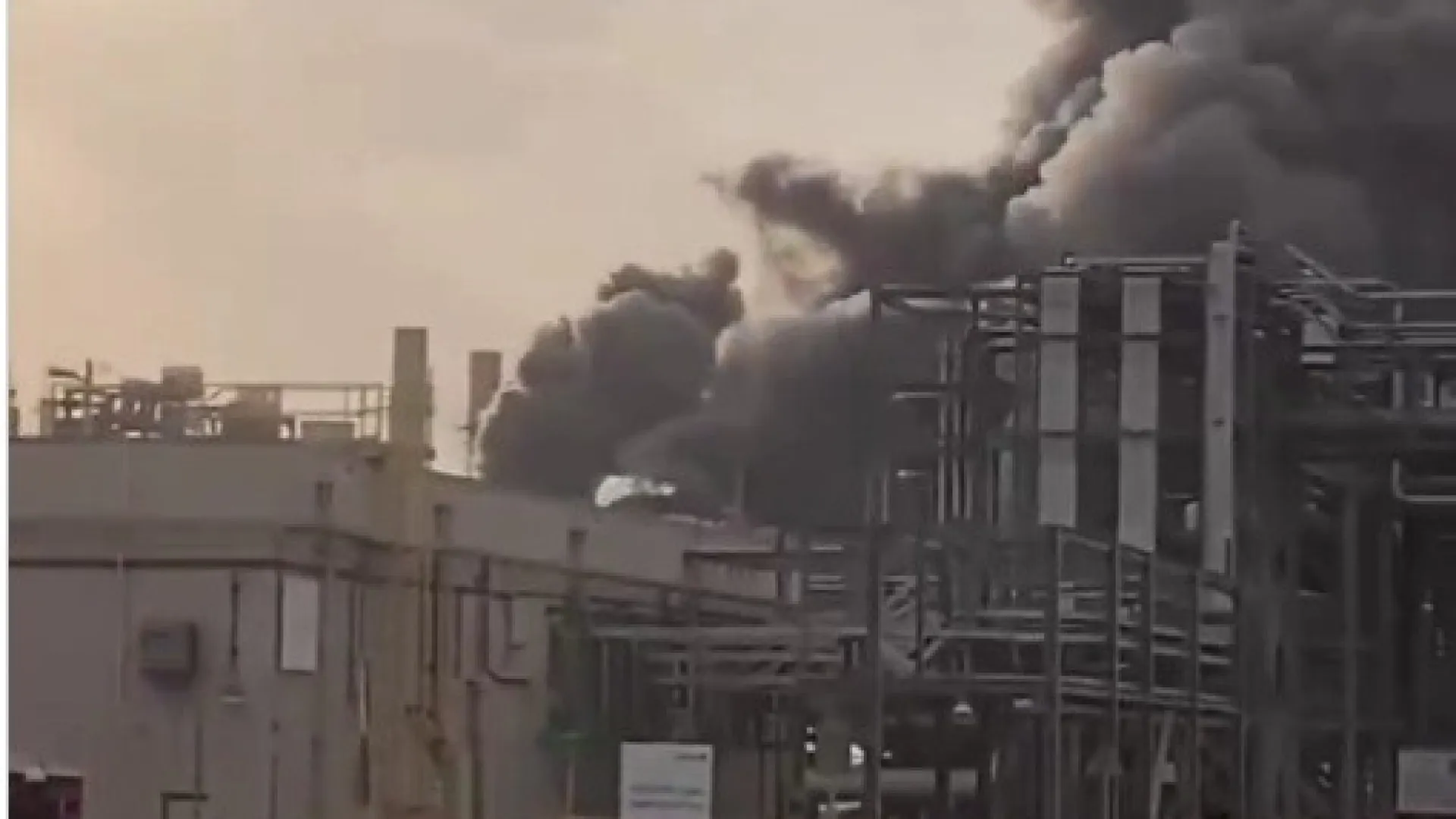
On [date], the oil refinery at Ras Tanura in Saudi Arabia was targeted in a drone attack, according to a statement from the country’s Ministry of Defense. The authorities successfully intercepted and destroyed the drones that were approaching the facility, averting potential damage to the critical energy infrastructure.
The Strategic Importance of Ras Tanura
Ras Tanura, a key oil processing facility, is a vital component of Saudi Arabia’s energy sector. The refinery, which is operated by the state-owned Saudi Aramco, has a processing capacity of approximately 550,000 barrels per day, making it one of the largest oil refineries in the world. The facility is strategically located on the Arabian Gulf, providing easy access to global markets. The refinery’s importance extends beyond Saudi Arabia’s borders, as it plays a crucial role in meeting the global demand for refined petroleum products.
Historical Context: Drone Attacks on Critical Infrastructure
The recent drone attack on Ras Tanura follows a series of similar incidents targeting critical energy infrastructure in the region. In 2019, a Saudi Aramco oil facility in Abqaiq was attacked by drones, resulting in a significant reduction in the country’s oil production. The incident was attributed to Houthi rebels from Yemen, highlighting the vulnerability of Saudi Arabia’s energy infrastructure to foreign threats. The Abqaiq attack, in turn, was part of a larger escalation of tensions between Saudi Arabia and its regional adversaries.
Consequences of Drone Attacks: Energy Security and Economic Implications
The drone attack on Ras Tanura highlights the growing concerns over energy security in the Middle East. The region’s reliance on oil and gas exports makes its energy infrastructure a prime target for adversaries seeking to disrupt global supply chains. The impact of such attacks can be far-reaching, with significant economic and environmental consequences. In addition to the potential damage to the refinery, a successful attack could lead to a shortage of refined petroleum products, affecting global markets and economies that rely heavily on these resources.
Saudi Arabia’s Response: Strengthening Security Measures
In response to the drone attack, Saudi Arabia’s Ministry of Defense has announced plans to strengthen security measures around critical energy infrastructure. The country has been investing in advanced surveillance systems and military capabilities to counter the threat of drone attacks. This development underscores the complex web of security concerns surrounding Saudi Arabia’s energy sector, as the country navigates a delicate balance between economic growth and national security.
Conclusion
The drone attack on Ras Tanura serves as a stark reminder of the vulnerabilities facing Saudi Arabia’s energy sector. As the global demand for refined petroleum products continues to rise, the country’s critical infrastructure remains a prime target for adversaries seeking to disrupt the global energy landscape. The consequences of such attacks can be far-reaching, with significant economic and environmental implications. As Saudi Arabia continues to navigate the complex web of security concerns surrounding its energy sector, the world watches closely, aware of the critical role that the country plays in meeting global energy demands.