







Prolonged Extreme Cold Grips Southern Manitoba and Winnipeg
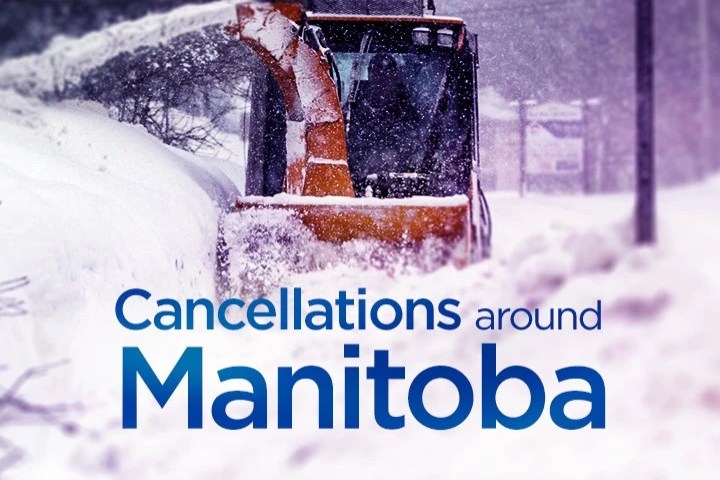
As the region endures a prolonged period of harsh winter conditions, residents of southern Manitoba and Winnipeg are bracing themselves for another day of extreme cold. Environment and Climate Change Canada has issued an orange-coded cold warning for a significant portion of the province, including the capital city, Winnipeg. This warning is a stark reminder of the unpredictable nature of Manitoba’s climate, which is often characterized by extreme temperature fluctuations.
A Legacy of Harsh Winters
Historically, southern Manitoba has been known for its cold winters, with average temperatures often dropping below -20°C. However, the current cold snap is particularly noteworthy due to its duration and severity. Wind chill values are expected to plummet to as low as -40°C to -45°C, posing significant risks to vulnerable populations, such as the elderly, young children, and those experiencing homelessness.
The Impact on Daily Life
The prolonged cold spell has significant implications for daily life in southern Manitoba and Winnipeg. Residents are advised to take precautions to stay warm, including dressing in layers, staying indoors, and limiting exposure to wind and cold temperatures. Outdoor activities, such as sports and recreation, have been canceled or postponed, while public transportation services have been affected by the extreme cold.
Health Concerns
The extreme cold poses significant health risks, particularly for vulnerable populations. Prolonged exposure to cold temperatures can lead to hypothermia, frostbite, and even death. Residents are urged to seek medical attention immediately if they experience any symptoms of cold-related illnesses.
Economic and Infrastructure Implications
The prolonged cold spell also has significant economic and infrastructure implications. The agriculture sector, which is a significant contributor to Manitoba’s economy, is particularly vulnerable to extreme cold snaps. Crops may be damaged or destroyed, leading to economic losses for farmers. Additionally, the infrastructure, including roads and bridges, may be affected by the extreme cold, leading to disruptions in transportation and supply chains.
Looking Ahead
As the extreme cold continues to grip southern Manitoba and Winnipeg, residents are advised to remain vigilant and take necessary precautions to stay safe. Environment and Climate Change Canada will continue to monitor the situation and provide updates as necessary. In the long term, the province may need to invest in infrastructure and community programs to mitigate the effects of extreme cold snaps and promote resilience in the face of climate change.
Conclusion
The prolonged extreme cold snap in southern Manitoba and Winnipeg is a stark reminder of the region’s climate variability and the importance of preparedness and resilience. As the community comes together to support vulnerable populations and mitigate the effects of the cold, it is essential to recognize the long-term implications of climate change and invest in strategies to promote a more sustainable and resilient future.
Source: globalnews.ca