









Tensions Rise in the Strait of Hormuz: European Allies and Australia Deny Naval Deployment to Secure Oil Transit
The Strait of Hormuz, a critical waterway connecting the Persian Gulf to the Gulf of Oman, has been the focal point of heightened tensions in recent weeks. The region’s importance as a major oil transportation route has led to concerns about potential disruptions, particularly in the wake of escalating tensions between the United States and Iran. Against this backdrop, European allies and Australia have denied reports of a naval deployment to secure the transit of oil in the strait.
Historical Context: The Strait of Hormuz’s Strategic Significance
The Strait of Hormuz has long been a vital artery for global oil trade, with around 20% of the world’s crude oil passing through it daily. Its strategic importance has been underscored by the presence of multiple oil-producing countries, including Iran, the United Arab Emirates, and Saudi Arabia. The waterway’s narrow width and busy shipping lanes make it a high-risk area, prone to disruptions and potential military confrontations.
Allied Response: Denying Naval Deployment
European allies, including the United Kingdom and France, have explicitly denied reports of a naval deployment to the Strait of Hormuz. Australia has also refuted such claims, stating that its military presence in the region is primarily focused on training and capacity-building exercises. These denials come as the Japanese and South Korean governments assess the situation, reportedly considering their own responses to potential disruptions.
Iranian President’s Comments: Frustration and Blame
Iranian President Hassan Rouhani has expressed frustration over the inaction of other countries in the face of perceived threats to the Strait of Hormuz. While acknowledging that there are parties interested in taking action to secure the waterway, he has criticized other nations for their failure to do so. This public rebuke suggests that Iran is keen to shift the focus away from its own role in the escalating tensions and onto the perceived inaction of others.
Recent Developments: First Non-Iranian Tanker Transits the Strait
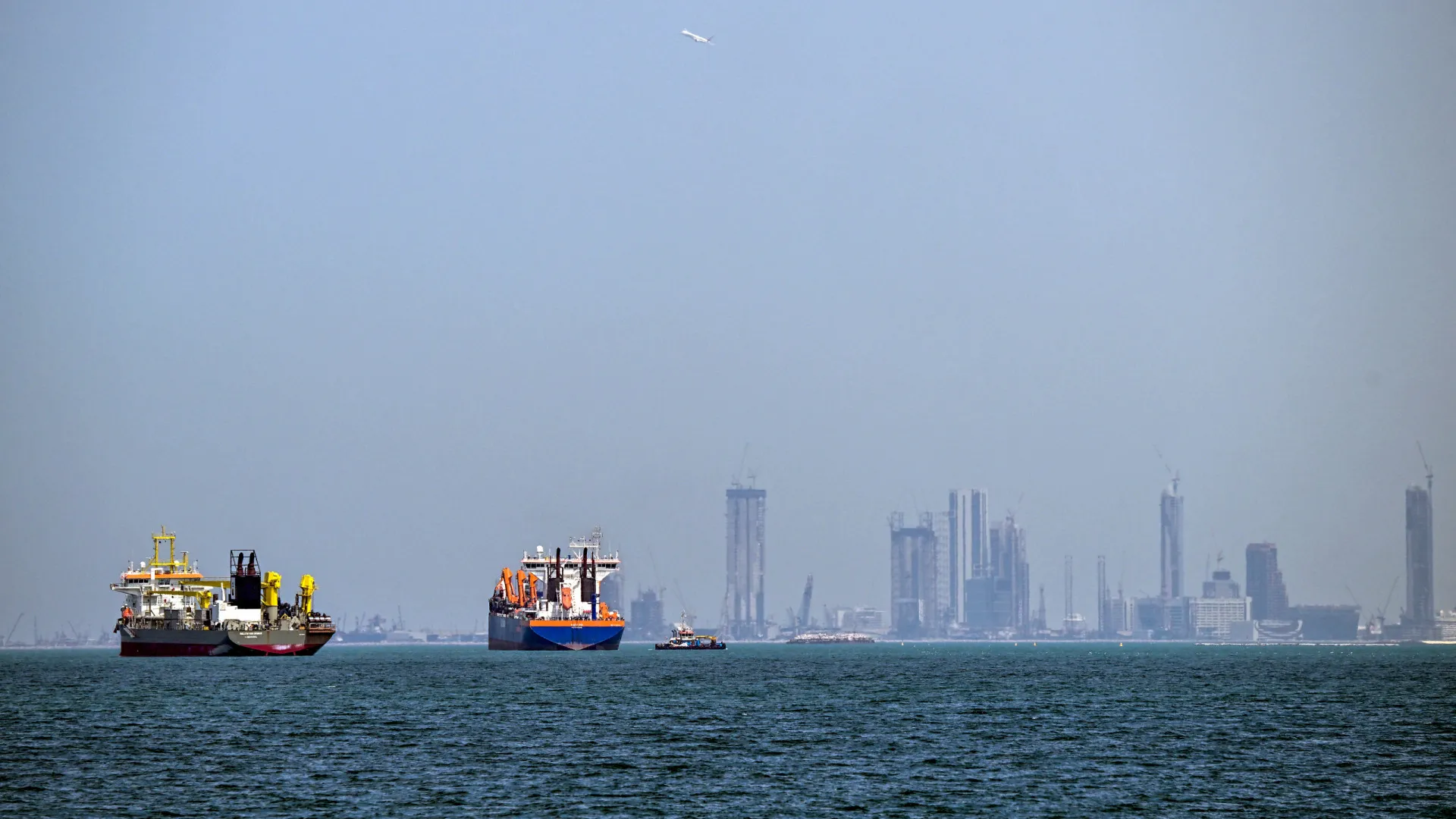
A notable development in the region is the transit of the first non-Iranian tanker through the Strait of Hormuz since the tensions began to escalate. The passage of this vessel, which is believed to have been carrying oil from the United Arab Emirates, suggests that some countries are taking steps to maintain their oil supply chains despite the risks.
Conclusion: Ongoing Tensions and Global Implications
The situation in the Strait of Hormuz remains a pressing concern for the global oil market and regional security. As tensions continue to simmer, it is essential to consider the long-term implications of potential disruptions to the waterway. The United States, European allies, and other stakeholders must work together to maintain stability and ensure the free flow of oil through the Strait of Hormuz. The world cannot afford a disruption to this critical artery, and it is crucial that parties involved take proactive steps to mitigate the risks and prevent a potentially catastrophic outcome.