






US-Iran Tensions Escalate as Washington Seeks International Support for Hormuz Strait
In a dramatic shift, the United States has called upon its allies to join forces in pressuring Iran to reopen the strategically crucial Hormuz Strait, a major shipping route that connects the Persian Gulf to the Gulf of Oman. This sudden change in stance comes after the US had previously stated that it did not require international assistance to address the issue.
The Hormuz Strait, which is only 21 miles wide at its narrowest point, is a critical waterway that accounts for approximately 20% of the world’s oil supply, with significant proportions of global oil exports passing through the region. In recent weeks, Iran has threatened to block the strait in response to US sanctions, which have had a devastating impact on the country’s economy.
The latest developments in the US-Iran standoff have sparked international concern, with experts warning of the potential consequences of a closure of the Hormuz Strait. “A shutdown of the Hormuz Strait would be catastrophic for the global economy, with oil prices likely to skyrocket and trade disruptions affecting numerous countries,” said Dr. Maria Rodriguez, a leading economist at the University of London.
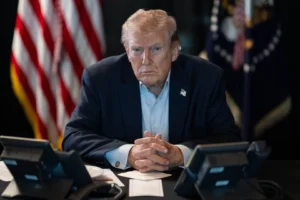
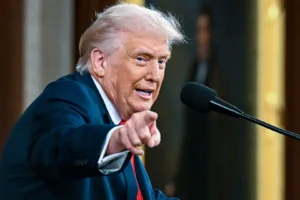
The US President’s statement, in which he declared that “he doesn’t want a cease-fire” with Iran because “he’s obliterating the other side,” has been met with alarm by critics who view it as a worrying escalation of tensions between the two nations. The President’s comments have also raised questions about the motivations behind the US decision to seek international support for reopening the Hormuz Strait.
Historical Context: US-Iran Relations in Flux
The current tensions between the US and Iran are a culmination of years of strained relations between the two nations. The US withdrawal from the 2015 Iran nuclear deal, also known as the Joint Comprehensive Plan of Action (JCPOA), in May 2018 marked a significant turning point in the relationship. The decision, which was widely criticized by the international community, led to a renewal of US sanctions on Iran.
The subsequent imposition of US sanctions has had a severe impact on Iran’s economy, with the country’s currency, the rial, plummeting in value and inflation soaring. In response, Iran has taken steps to expand its nuclear program, including enriching uranium to higher levels, which has heightened concerns about the country’s intentions.
The current crisis highlights the complexities of the US-Iran relationship, with both sides engaged in a high-stakes game of cat and mouse. As the situation continues to unfold, it remains to be seen how the international community will respond to the US call for support in reopening the Hormuz Strait.
International Implications: A Global Economic Concern
The potential closure of the Hormuz Strait has far-reaching implications for the global economy, with the International Energy Agency (IEA) warning that a shutdown could lead to a 1% decline in global GDP. The impact would be felt across various industries, including shipping, trade, and energy, with oil prices likely to surge in response to the disruption.
As the world watches the developments in the US-Iran standoff, one thing is clear: the stakes are high, and the consequences of a prolonged conflict could be devastating. With the global economy hanging in the balance, it remains to be seen how the international community will respond to the US call for support in reopening the Hormuz Strait.