










Middle East Tensions Escalate: Allies of the United States Rule Out Naval Operation
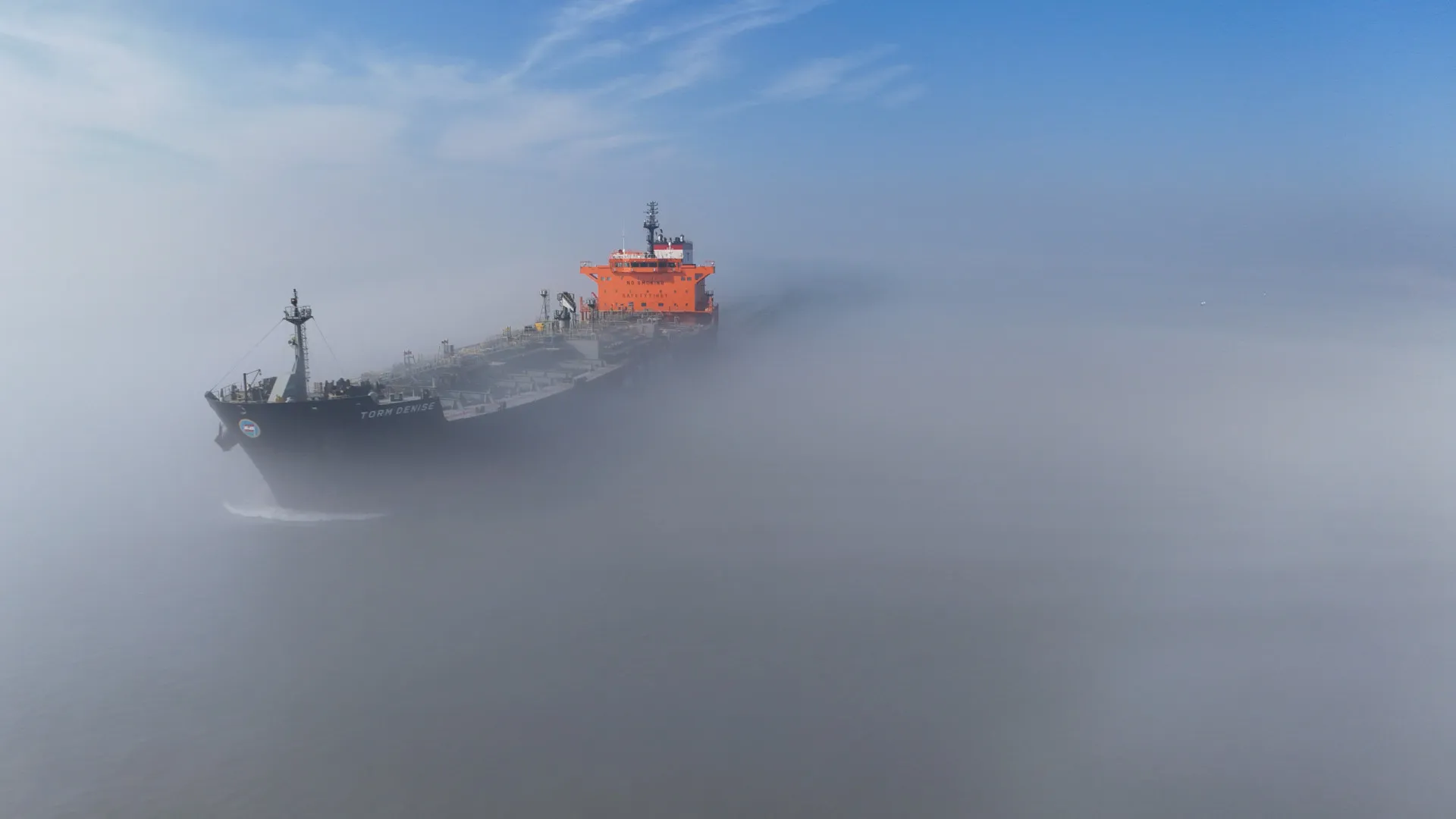
The ongoing conflict in the Middle East has led to a significant escalation in tensions, with the Strait of Hormuz – a critical waterway through which approximately 20% of the world’s oil supply passes – being largely closed to maritime traffic. This development has sparked concerns about the potential for a broader conflict in the region, with some analysts warning of the possibility of a global economic crisis.
Despite a recent request from United States President Donald Trump, allies of the US have stated that they do not plan to participate in a naval operation in the region. The move comes as a surprise to many observers, who had anticipated a more robust response from the international community to the escalating tensions.
The Strait of Hormuz has long been a crucial artery for global oil trade, with tankers transporting crude oil from major producers such as Saudi Arabia and Iraq to refineries around the world. The waterway’s strategic importance is underscored by the fact that it is located at the southern entrance to the Gulf, where several key oil-producing countries are situated.
The current conflict in the Middle East has its roots in the ongoing tensions between the US and Iran, which have been exacerbated by the US withdrawal from the Joint Comprehensive Plan of Action (JCPOA) in 2018. The JCPOA, also known as the Iran nuclear deal, had imposed limits on Iran’s nuclear program in exchange for relief from economic sanctions.
Iran’s response to the US withdrawal has been to increase its military presence in the region, and to conduct a series of provocative actions, including the seizure of British oil tankers and the shooting down of a US surveillance drone. These actions have contributed to a significant escalation in tensions, with the US and its allies imposing new sanctions on Iran and conducting naval exercises in the region.
The decision by US allies to rule out participation in a naval operation in the region is likely to be seen as a significant blow to the Trump administration’s efforts to exert pressure on Iran. However, some analysts have argued that the move may be a calculated decision designed to avoid direct military confrontation with Iran, and to allow for a more diplomatic approach to resolving the crisis.
As the situation in the Middle East continues to unfold, one thing is clear: the Strait of Hormuz remains a critical chokepoint for global oil trade, and any disruption to its operations could have far-reaching consequences for the global economy. The international community will be watching developments in the region closely, as the situation continues to evolve.
A Critical Juncture: The Future of Global Oil Trade
The current crisis in the Middle East has highlighted the fragility of the global oil trade, and the critical importance of the Strait of Hormuz as a key transportation route. The Strait’s closure or disruption would have significant implications for major oil-producing countries, as well as for global oil consumers who rely on imported oil to meet their energy needs.
In the context of the ongoing climate change crisis, the reliance on fossil fuels has become increasingly unsustainable. The current tensions in the Middle East highlight the need for a more diversified and resilient global energy system, one that is less dependent on a single region or transportation route.
As the international community navigates this critical juncture, it is clear that the future of global oil trade will be shaped by a complex interplay of geopolitical, economic, and environmental factors. The outcome of the current crisis will have far-reaching implications for the global economy, and will shape the course of international relations for years to come.