









US-Led Global Governance Initiative Sparks International Tensions
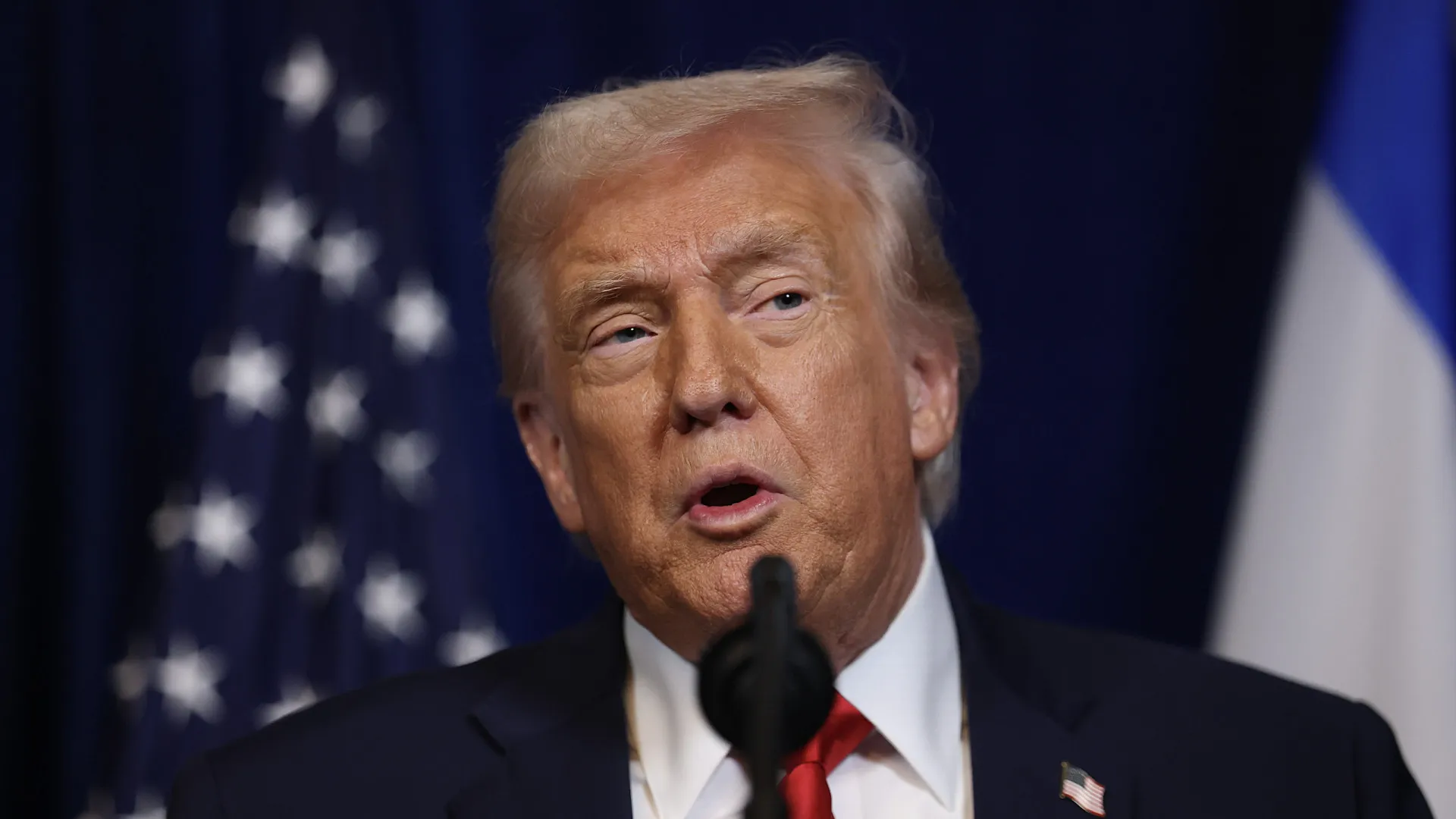
The Canadian government has made it clear that it will not contribute financially to a new international organization spearheaded by the United States. The initiative, aimed at supplanting the United Nations, has been met with skepticism and concerns from various countries, including Canada.
Background and Context
The creation of this new organization is part of a broader effort to reform the global governance architecture. The US government, under the leadership of President Joe Biden, has been pushing for a more robust and effective international framework to address pressing global issues, such as climate change, pandemics, and economic inequality. However, this approach has raised concerns about the potential undermining of existing international institutions, including the United Nations.
UN Supplantation Concerns
The US-led initiative has been criticized for its potential to create a parallel structure to the UN, which could lead to confusion, duplication of efforts, and a fragmentation of global governance. The UN, established in 1945, has been the primary international organization responsible for promoting peace, security, and cooperation among nations. Its effectiveness, despite challenges, has been demonstrated through its peacekeeping missions, humanitarian aid, and climate change negotiations.
Canadian Stance
The Canadian government has expressed its doubts about the new organization’s ability to effectively address global challenges and has declined to contribute financially. Canada’s decision reflects its commitment to the UN and its longstanding support for multilateralism. The Canadian government has also emphasized the need for a more inclusive and representative international governance structure that takes into account the diverse perspectives and interests of its member states.
Brazil’s Response
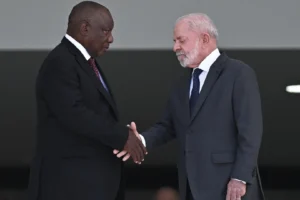
Brazil, a key player in the UN, has yet to respond to the US invitation to join the new organization. The Brazilian government has been cautious in its response, highlighting the need for a thorough evaluation of the initiative’s objectives, structure, and potential impact on the global governance landscape. Brazil’s stance reflects its commitment to the UN and its role as a key player in international affairs.
Future Implications
The US-led initiative has the potential to reshape the global governance landscape and create new opportunities for cooperation and collaboration. However, it also raises concerns about the potential undermining of existing institutions and the creation of a more fragmented and complex international system. As the international community navigates this new landscape, it will be essential to strike a balance between innovation and continuity, ensuring that the global governance architecture remains effective, inclusive, and responsive to the challenges of the 21st century.
Conclusion
The US-led initiative to create a new international organization has sparked international tensions and concerns about the potential supplantation of the UN. While the initiative aims to address pressing global challenges, its approach has been met with skepticism and doubts about its effectiveness. As the international community continues to evolve and adapt to new challenges, it will be essential to prioritize cooperation, inclusivity, and a commitment to multilateralism in shaping the future of global governance.