






Cuba-US Tensions Escalate Amid Rising Threats of Terrorism
In the midst of escalating tensions between the United States and Cuba, Cuban leader Miguel Díaz-Canel has issued a stern warning, vowing to defend his country against any potential terrorist aggression. This statement comes in the wake of a recent incident involving a Cuban boat that resulted in the deaths of four people, further straining the already fragile relationship between the two nations.
A History of Tensions
The US-Cuba relationship has long been marred by controversy and mistrust. The two nations have a complex history, with the 1959 Cuban Revolution led by Fidel Castro marking a significant turning point in their relations. The US imposed a trade embargo on Cuba in 1960, which remains in place to this day, and has also maintained a military presence in Guantanamo Bay, a move that has been a source of ongoing contention. In recent years, the US has tightened its restrictions on Cuba, citing concerns over human rights and democratic freedoms.
The Incident and its Aftermath
The incident that sparked the current tensions occurred when a Cuban boat collided with a US Coast Guard vessel in international waters. The incident resulted in the deaths of four Cubans, and several others were injured. The US Coast Guard has since launched an investigation into the incident, while Cuba has accused the US of aggression and warned of potential retaliation. The incident has heightened concerns among diplomats and observers, who fear that the situation could escalate further.
Cuba’s Military Modernization
In response to the growing threat of terrorism, Cuba has been modernizing its military capabilities. In 2020, the country announced plans to upgrade its military doctrine, with a focus on countering external threats. The move has been seen as a response to the increasing presence of US military assets in the region, including the deployment of Aegis missile defense systems to nearby Puerto Rico. The modernization efforts have been met with concern from the US, which has accused Cuba of militarizing its territory.
Díaz-Canel’s Warning
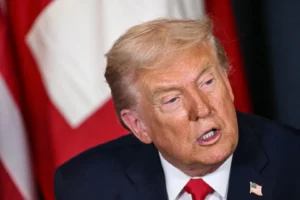
In a recent statement, Cuban leader Miguel Díaz-Canel warned that his country would not hesitate to defend itself against any terrorist aggression from the US. The warning was seen as a direct response to the US’s tightening restrictions on Cuba and its increasing military presence in the region. Díaz-Canel emphasized the importance of protecting Cuban sovereignty and preventing any external threats to the country’s security.
Future Implications
The escalating tensions between the US and Cuba have significant implications for regional stability and global security. The situation has raised concerns among neighboring countries, which are increasingly worried about the potential for conflict. The US and Cuba have a long history of mistrust, and the current tensions have the potential to derail any efforts to improve relations between the two nations. As the situation continues to unfold, it remains to be seen how the US and Cuba will navigate this complex web of tensions and threats.
In conclusion, the US-Cuba relationship remains a contentious issue, with both nations vying for influence and power in the region. The recent incident and Díaz-Canel’s warning have highlighted the need for both sides to engage in diplomatic efforts to de-escalate tensions and prevent further conflict. As the situation continues to unfold, it will be essential for the international community to remain vigilant and work towards a peaceful resolution to this complex and sensitive issue.