






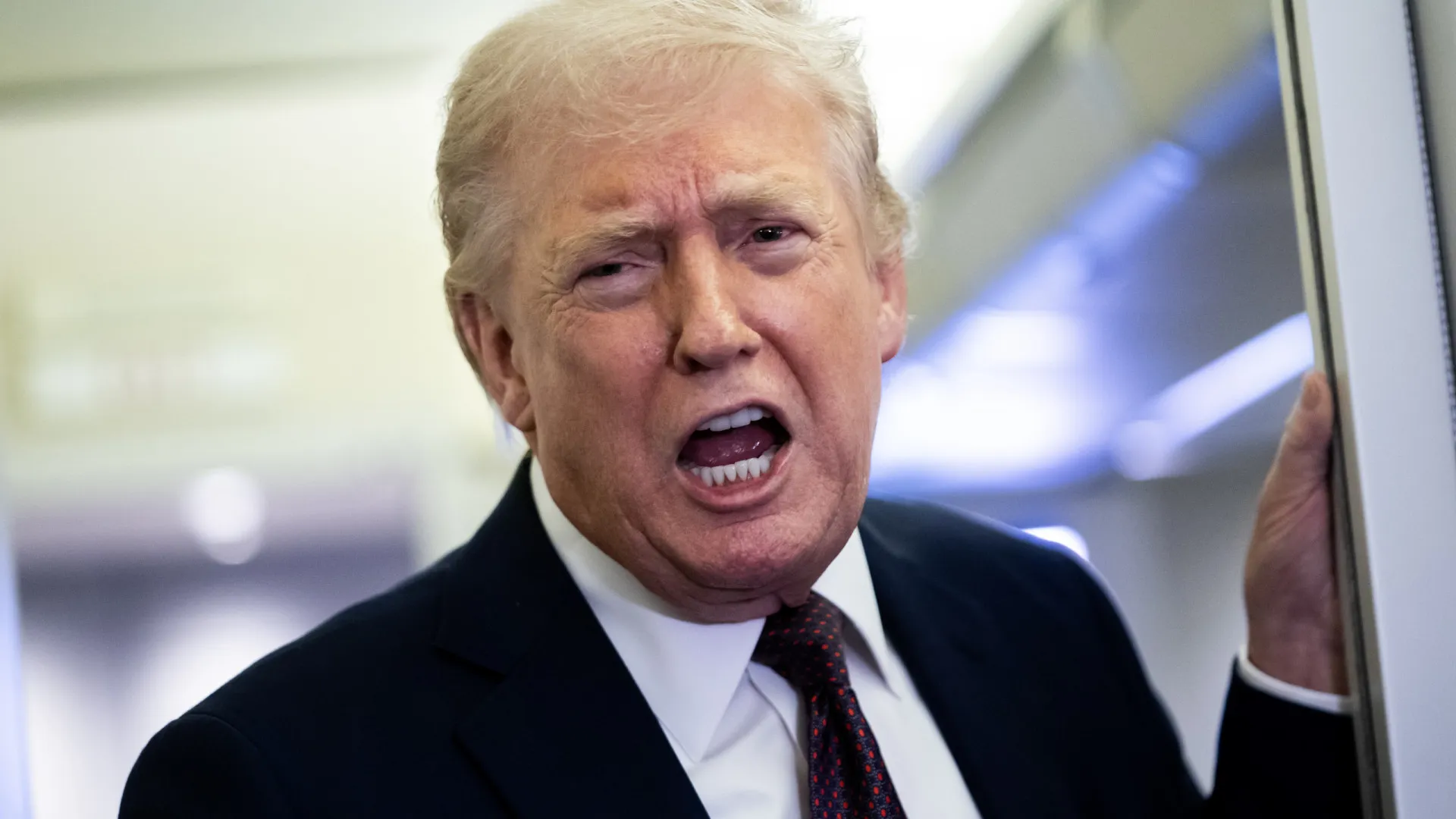
US-Iran Tensions Ease as US President Claims Negotiations Advance
In a significant development, the President of the United States has announced that negotiations with Iran have made substantial progress, potentially paving the way for a resolution to the long-standing conflict. This statement comes at a critical juncture, as the deadline for Iran to reopen the strategic Strait of Hormuz, a vital oil shipping route, is set to expire.
A Delicate Balance of Power
The Strait of Hormuz, located between Iran and the United Arab Emirates, is one of the world’s most critical oil chokepoints, with around 20% of global oil exports passing through it. The region has been a hotbed of tension in recent years, with the US and Iran engaging in a series of high-stakes confrontations, including the 2019 drone strike that killed top Iranian General Qasem Soleimani. The current negotiations aim to alleviate these tensions and ensure a safe passage for oil tankers.
A Brief History of US-Iran Relations
The complex and often contentious relationship between the US and Iran dates back to the 1979 Islamic Revolution, which saw the overthrow of the pro-Western Shah regime. Since then, the two nations have been locked in a cycle of hostility, with the US imposing economic sanctions on Iran and the latter developing its nuclear program. The current negotiations are a continuation of a broader effort to resolve these issues through diplomacy.
Key Points in the Negotiations
The US President’s statement suggests that progress has been made in several key areas, including:
– **Nuclear Program**: Iran has agreed to limit its nuclear activities and allow for greater international monitoring.
– **Sanctions Relief**: The US has offered to ease some economic sanctions, although the extent of this relief remains unclear.
– **Regional Security**: Talks have focused on ensuring stability in the region, including the protection of oil tankers and the prevention of further escalation.
A Turning Point in US-Iran Relations?
The potential resolution to the conflict has significant implications for global energy markets, regional security, and the broader international order. If successful, the negotiations could lead to a significant reduction in tensions and a more stable Middle East. However, the path forward remains uncertain, and many challenges lie ahead.
In conclusion, the US President’s announcement marks a significant moment in the complex and often fraught relationship between the US and Iran. As the deadline for reopening the Strait of Hormuz approaches, the world waits with bated breath to see whether these negotiations will result in a lasting solution to the conflict.