








Middle East Tensions Escalate: US President Issues Sixth Ultimatum to Iran Over Strait of Hormuz
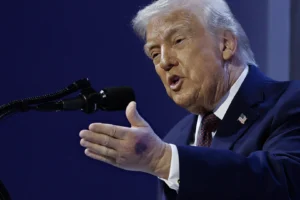
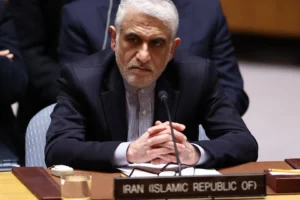
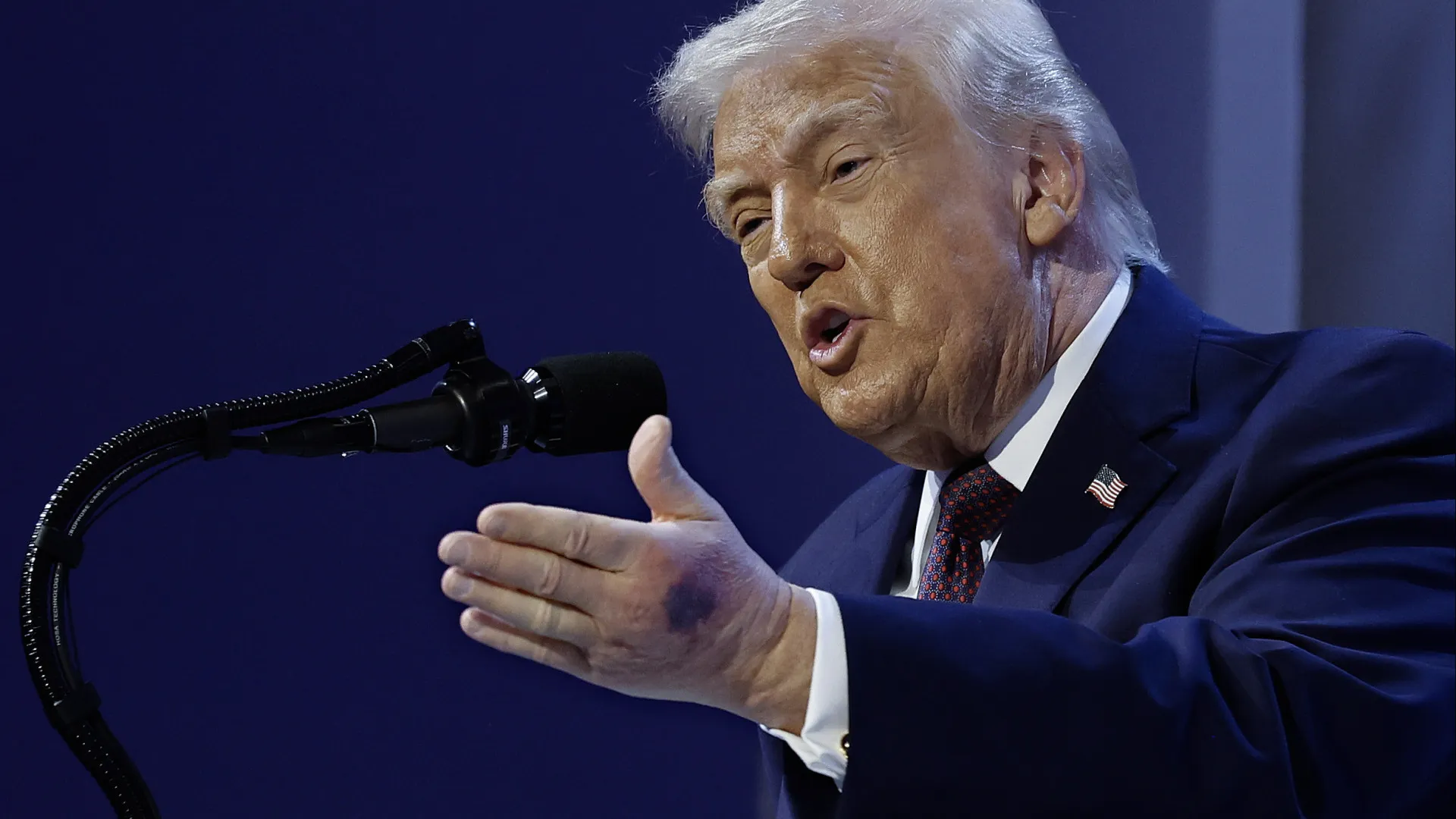
The United States has issued a sixth ultimatum to Iran, demanding the reopening of the strategic Strait of Hormuz, which has been closed since the beginning of the month-long protest and negotiations deadlock. The development comes as tensions in the region continue to rise, with reports of intense violence and threats of retaliatory action in the Persian Gulf.
Background on the Strait of Hormuz
The Strait of Hormuz is a critical waterway that connects the Persian Gulf to the Gulf of Oman, facilitating the passage of approximately 20% of the world’s oil supply. Its strategic importance is underscored by the fact that it serves as a vital conduit for oil exports from the oil-rich Persian Gulf region. The strait’s closure has significant implications for global energy markets, with oil prices poised to surge if the situation is not resolved.
US-Iran Relations and the Current Standoff
The current standoff between the US and Iran is a manifestation of a protracted diplomatic struggle between the two nations. This has its roots in the 1979 Iranian Revolution, which led to the establishment of the Islamic Republic of Iran. The US has since maintained a strained relationship with Iran, imposing economic sanctions and criticizing the country’s nuclear program.
Negotiations and the Ultimatum
The US ultimatum is the latest development in a series of failed negotiations between the two nations. The negotiations, which began in January, were aimed at resolving outstanding issues, including the Strait of Hormuz’s closure. However, the talks have stalled, with both sides failing to reach a mutually acceptable agreement.
Regional Implications and Future Directions
The escalation of tensions in the region poses significant risks to regional stability and global energy markets. The involvement of other regional players, including Saudi Arabia and the United Arab Emirates, has the potential to further destabilize the situation. As the situation continues to unfold, it remains to be seen whether a resolution can be achieved through diplomatic channels or if military intervention becomes a more likely scenario.
Conclusion
The situation in the Middle East remains volatile, with the US-Iran standoff showing no signs of abating. The fate of the Strait of Hormuz and the implications for global energy markets hang in the balance, underscoring the need for diplomatic efforts to resolve the crisis. As the situation continues to unfold, it is essential for all parties involved to engage in constructive dialogue to prevent further escalation and restore stability to the region.
Key Takeaways
* The US has issued a sixth ultimatum to Iran demanding the reopening of the Strait of Hormuz.
* The Strait of Hormuz’s closure has significant implications for global energy markets.
* US-Iran relations have been strained since the 1979 Iranian Revolution.
* Negotiations between the two nations have stalled, with no mutually acceptable agreement reached.
* The situation poses significant risks to regional stability and global energy markets.
**Keywords:** Strait of Hormuz, US-Iran relations, Middle East tensions, global energy markets, Persian Gulf.