










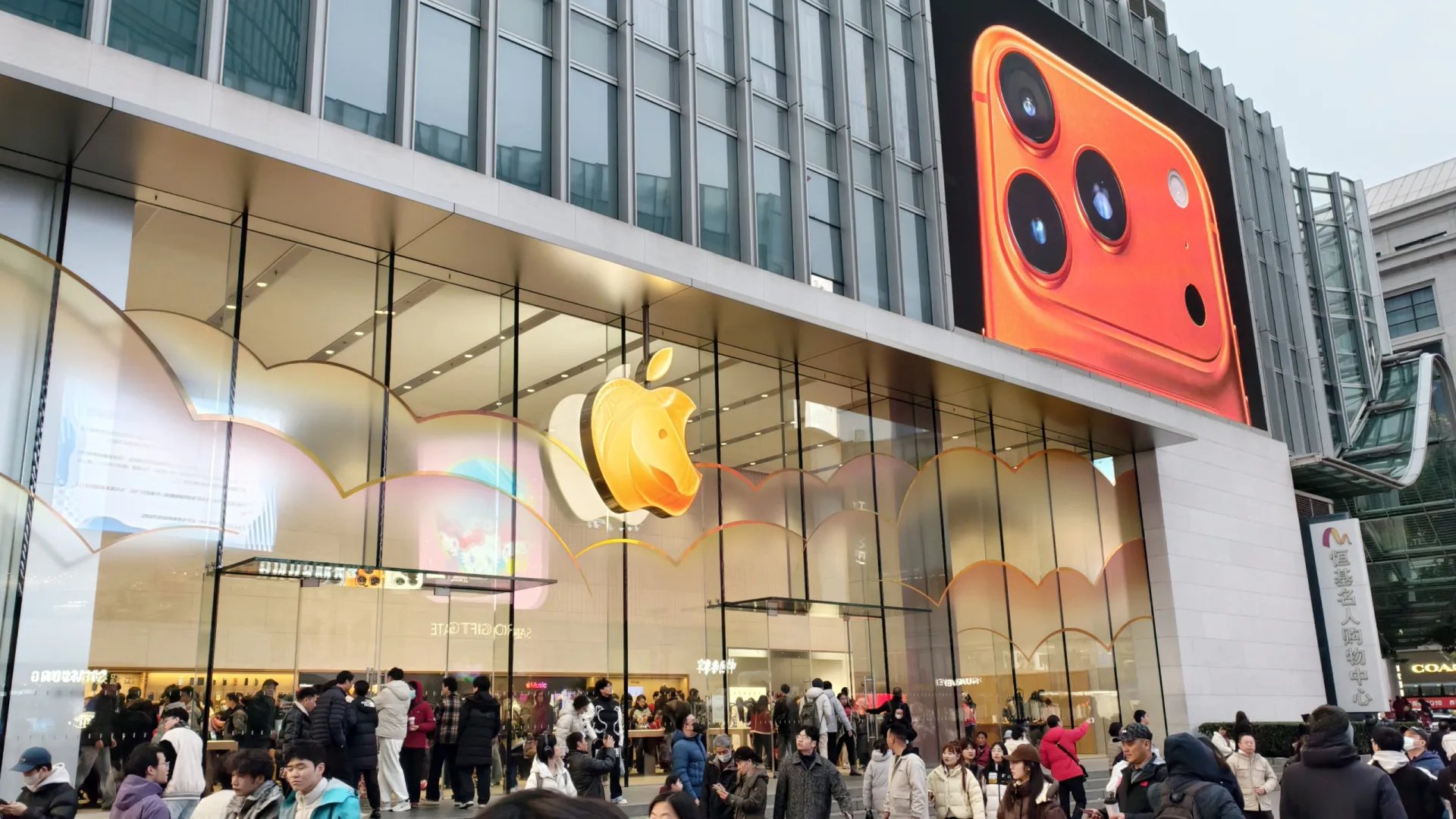
Tech Titans: Apple’s Resilience in the Face of Global Market Shifts
The technology industry has been experiencing a significant trend in recent times, characterized by rising prices of essential components such as memory RAM. This development has led to increased costs for smartphone manufacturers, particularly those in the Android ecosystem. However, in a striking contrast, Apple has demonstrated remarkable resilience, successfully navigating the challenges posed by these market fluctuations.
According to recent data, Apple’s sales have witnessed a substantial 23% growth at the beginning of 2026, defying the trend of increased costs associated with smartphone production. This notable achievement underscores the Cupertino-based company’s ability to adapt and thrive in a dynamic market environment.
A closer examination of the factors contributing to Apple’s success reveals a multifaceted approach. Firstly, the company’s focus on high-end products, such as the iPhone, has allowed it to maintain a premium pricing strategy. This enables Apple to absorb the rising costs of components and maintain its profit margins. In contrast, Android manufacturers have been forced to balance their price points, often compromising on profitability.
Historical Context: A Tale of Two Market Leaders
The contrast between Apple and Android manufacturers is not a new phenomenon. Historical data reveals that Apple has consistently demonstrated a higher level of pricing power, allowing it to maintain its market share and profitability even during periods of market volatility. This is particularly evident in the early 2020s, when the COVID-19 pandemic led to supply chain disruptions and component shortages. While many Android manufacturers struggled to adapt, Apple’s robust supply chain management and pricing strategy enabled it to maintain its market position.
Future Implications: A Shift towards Premiumization
The success of Apple’s premium pricing strategy has significant implications for the broader tech industry. As consumers become increasingly willing to pay a premium for high-quality products and services, manufacturers are likely to follow suit. This trend towards premiumization could lead to a further consolidation of the market, with smaller players struggling to compete with established brands. In this context, Apple’s ability to adapt and innovate will be critical in maintaining its market position and driving growth.
In conclusion, Apple’s 23% sales growth in the face of rising memory RAM prices is a testament to the company’s resilience and adaptability. As the tech industry continues to evolve, it will be essential for manufacturers to adopt a premium pricing strategy, invest in research and development, and maintain a strong focus on customer experience. By doing so, they can navigate the challenges posed by market fluctuations and drive growth in a highly competitive landscape.
Source: Notícias ao Minuto Brasil – Tech