









Rise of the Robots: A Glimpse into the Future of Entertainment at Airports
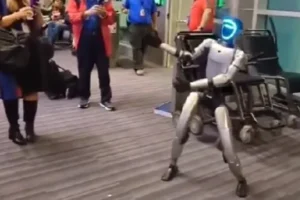
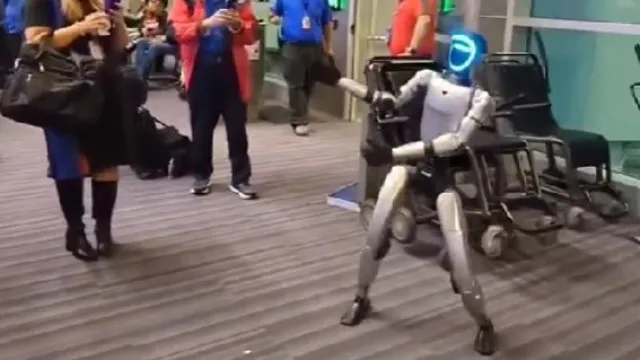
The integration of technology into our daily lives has been a gradual process, with various sectors embracing innovative solutions to enhance customer experience and streamline operations. One such example is the recent appearance of a robot named Bebop at the Oakland International Airport in California. This humanoid robot, designed to entertain and interact with passengers, quickly gained attention and admiration from travelers. However, its maiden voyage was not without its challenges, as a scheduled flight was delayed due to Bebop’s need for battery recharging.
The Evolution of Entertainment at Airports
The Oakland International Airport’s decision to introduce Bebop is part of a larger trend to incorporate technology and entertainment into airport experiences. Airports have long been a platform for showcasing cutting-edge technologies, and this development is a testament to the growing importance of immersive experiences in the travel sector. By offering an interactive and engaging experience, airports can create a welcoming atmosphere, reducing stress and anxiety associated with travel.
Challenges and Opportunities
While Bebop’s debut at the Oakland International Airport was met with enthusiasm, the incident also highlighted the practical challenges associated with deploying robots in real-world environments. The need for battery recharging, for instance, is a significant limitation that could impact the robot’s availability and reliability. Furthermore, the interaction between human and robot, although seamless in theory, requires careful consideration of user experience and interface design.
Future Implications
The introduction of Bebop at the Oakland International Airport is a precursor to a wider adoption of robots and artificial intelligence in the travel sector. As technology continues to advance, we can expect to see more sophisticated robots and interactive systems being integrated into airports and other public spaces. This trend raises important questions about the role of humans in the service industry and the potential benefits and drawbacks of relying on machines for customer interaction.
Conclusion
The story of Bebop at the Oakland International Airport offers a fascinating glimpse into the future of entertainment and technology at airports. While challenges remain, the potential benefits of incorporating robots and AI into airport experiences are significant. As we navigate this rapidly evolving landscape, it is essential to consider the practical implications, user experience, and long-term potential of these innovations. By doing so, we can create a more engaging, efficient, and enjoyable travel experience for all.
Source: Notícias ao Minuto Brasil – Tech