









Stranded in a Foreign Land: The Devastating Reality of Medical Tourism and Financial Obligations
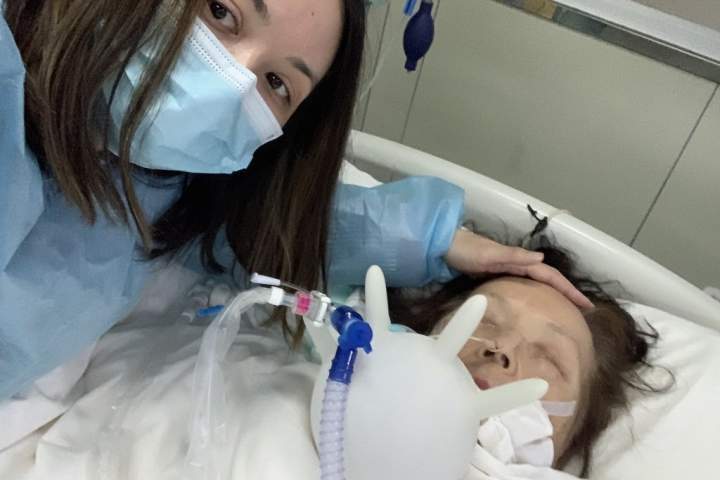
In a heart-wrenching situation, a British Columbia grandmother has found herself stranded in China, battling a life-threatening illness in a coma. The grim reality is that her family is facing an insurmountable financial burden, unable to afford the hundreds of thousands of dollars required to bring her home via air ambulance.
The situation highlights the devastating consequences of medical tourism, where individuals travel abroad in search of cheaper medical treatment, only to find themselves in dire circumstances when medical emergencies arise. According to the Association for Safe International Road Travel, an estimated 10 million Americans travel abroad each year for medical care, with many seeking procedures such as surgeries, cancer treatments, and organ transplants.
The Financial Burden of Medical Evacuations
Medical evacuations are a complex and costly process, often requiring specialized medical equipment, trained personnel, and secure transportation. In this case, the estimated cost to bring the grandmother home is in the hundreds of thousands of dollars. This is a staggering expense, particularly for families who may not have adequate medical insurance coverage or financial resources to cover the costs.
Historically, medical tourism has been a growing trend, driven by the desire for affordable medical care. However, the risks associated with medical tourism are well-documented, including the lack of regulatory oversight, inadequate medical facilities, and limited access to emergency care. The case of the stranded grandmother serves as a stark reminder of the potential consequences of medical tourism gone wrong.
The Need for Global Cooperation and Medical Assistance
The situation of the stranded grandmother underscores the need for global cooperation and medical assistance in cases of medical emergencies. In recent years, there have been efforts to establish international guidelines and standards for medical evacuations, including the development of standardized protocols for medical assistance and emergency response.
However, more needs to be done to address the complex issues surrounding medical tourism and financial obligations. Governments, healthcare providers, and international organizations must work together to develop policies and programs that prioritize patient safety, financial protection, and access to quality medical care.
A Call to Action
The case of the stranded grandmother serves as a poignant reminder of the importance of prioritizing patient safety and financial protection in the context of medical tourism. As the world becomes increasingly interconnected, it is essential that we work together to address the complex issues surrounding medical evacuations and ensure that individuals, regardless of their nationality or financial resources, have access to quality medical care and emergency assistance.
In conclusion, the situation of the stranded grandmother in China highlights the devastating consequences of medical tourism and financial obligations. As we move forward, it is essential that we prioritize global cooperation, medical assistance, and financial protection to ensure that individuals receive the quality medical care they deserve, regardless of their circumstances.
Source: globalnews.ca