










Brazil Takes on Organized Crime: Lula’s Call for Collaboration and Proactive Action
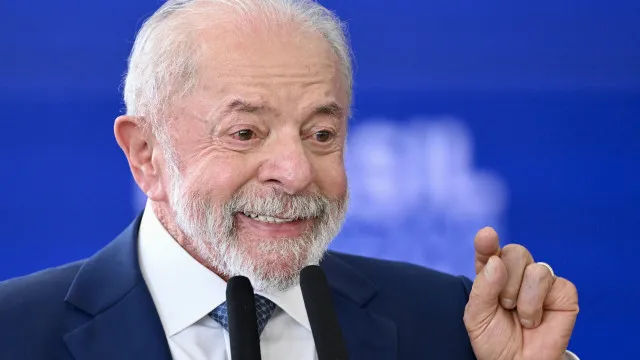
In a significant move to combat organized crime, Brazil’s President Luiz Inácio Lula da Silva launched the Brazil Against Organized Crime program, aimed at strengthening the country’s stance against transnational crime and corruption. Speaking at the program’s launch, Lula emphasized the need for dialogue between the executive branch and the judicial system, as well as a more proactive approach from the federal government in addressing security concerns.
A Shift in Strategy: From Reactive to Proactive
Historically, Brazil’s approach to combating organized crime has been characterized by a reactive stance, focusing on responding to crimes after they have occurred, rather than taking a proactive approach to prevent them. Lula’s call for a more proactive role from the federal government marks a significant shift in strategy, acknowledging the need for a more holistic approach to addressing the root causes of organized crime. This includes strengthening institutions, improving law enforcement capabilities, and fostering collaboration between different levels of government.
A Delicate Balance: Federal and State Roles in Security
Lula’s statement that the federal government should not occupy the space of state governors in security matters highlights the delicate balance between federal and state roles in addressing organized crime. In Brazil, security is a shared responsibility between the federal government, states, and municipalities. The president’s comments underscore the importance of coordination and cooperation between different levels of government to ensure a unified approach to combating organized crime.
The Need for Dialogue: Strengthening Judicial-Executive Relations
Lula’s emphasis on dialogue between the executive branch and the judicial system is also significant, as it acknowledges the importance of strengthening relationships between these two branches of government. In Brazil, the judicial system has historically played a crucial role in combating organized crime, with high-profile investigations and convictions of high-ranking officials and crime bosses. However, the president’s comments suggest that more needs to be done to foster collaboration and coordination between the executive branch and the judiciary.
A Long-Term Commitment: Breaking the Cycle of Organized Crime
The Brazil Against Organized Crime program is part of a broader effort to break the cycle of organized crime in Brazil. With its strong economy, rich natural resources, and large population, Brazil is a prime target for organized crime groups operating both domestically and transnationally. The program’s launch marks a significant step towards addressing the root causes of organized crime, including poverty, inequality, and corruption.
In conclusion, Lula’s call for a more proactive approach to combating organized crime, coupled with his emphasis on dialogue and coordination between different branches of government, marks a significant shift in Brazil’s approach to addressing this pervasive issue. As the country continues to grapple with the challenges of organized crime, the success of the Brazil Against Organized Crime program will depend on the ability of different levels of government to work together effectively and address the root causes of this complex problem.