








Everest Mountain Guides Accused of Secretly Poisoning Climbers to Trigger Expensive Helicopter Rescues
The majestic Himalayas, home to the world’s highest peak, Mount Everest, have been shrouded in controversy after a recent investigation revealed a shocking scheme involving mountain guides and a massive insurance fraud. The allegations claim that guides on the Everest mountain range secretly poisoned alpinists to prompt costly helicopter rescues, resulting in a staggering loss of over $100 million to insurance companies.
A History of Commercialization on the Roof of the World
Mount Everest, a revered symbol of human endurance and achievement, has become an increasingly commercialized destination in recent years. The growing number of climbers and trekkers on the mountain has led to a thriving industry of guides, porters, and support teams. However, this growth has also raised concerns about the treatment of workers, environmental degradation, and the commercialization of a sacred site.
The Alleged Insurance Scam
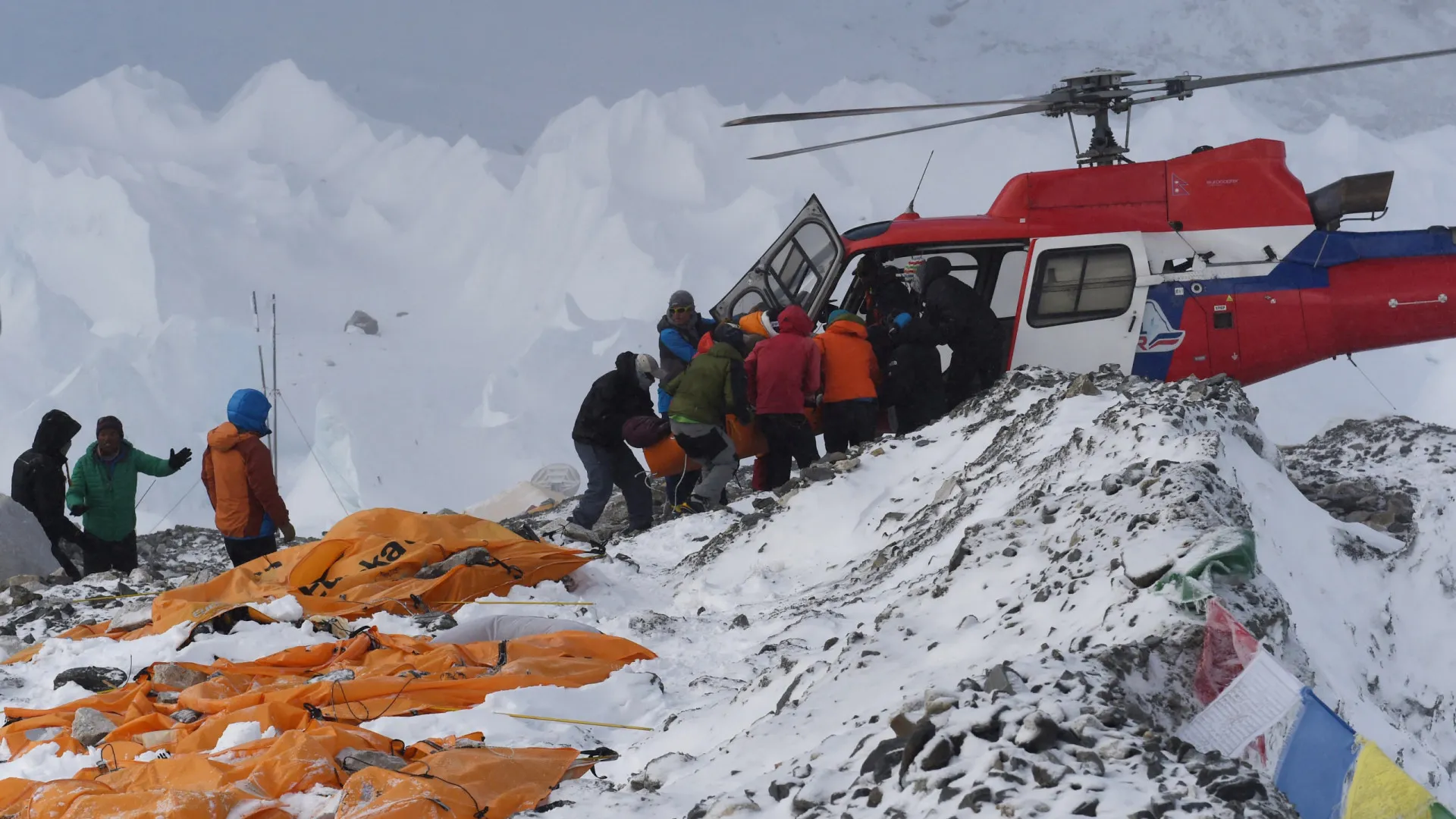
According to the investigation, a group of Everest guides allegedly used a toxic substance to poison several climbers, forcing them to seek emergency helicopter rescues. These rescues, often performed in high-risk conditions, come at a significant cost, with each operation reportedly costing upwards of $30,000. The scam, which is believed to have been perpetrated over several years, would have netted the guides a substantial profit, with some estimates suggesting over $100 million in losses for insurance companies.
The Regulatory Environment
Mountaineering regulations on Everest are largely governed by the Nepalese government, which has faced criticism for its lax enforcement of safety protocols. The country’s tourism industry has grown exponentially in recent years, with the government seeking to capitalize on the lucrative market. However, this growth has also put pressure on the country’s infrastructure and resources, raising concerns about the sustainability of the industry.
The Impact on Climbing Communities
The alleged insurance scam has sent shockwaves through the climbing community, with many expressing outrage and disappointment. Climbers and trekkers who have faced similar challenges on the mountain have expressed concerns about the safety of others and the potential for similar scams in the future. The incident has also highlighted the need for greater regulation and oversight of the mountain guiding industry.
Conclusion
The allegations of insurance fraud on Mount Everest raise serious concerns about the commercialization of the mountain and the treatment of workers in the guiding industry. As the climbing community grapples with the implications of this scandal, it is clear that greater regulation and oversight are necessary to ensure the safety of climbers and the integrity of the industry. The incident serves as a reminder that, even on the world’s highest peak, the pursuit of profit can come at a steep cost.