










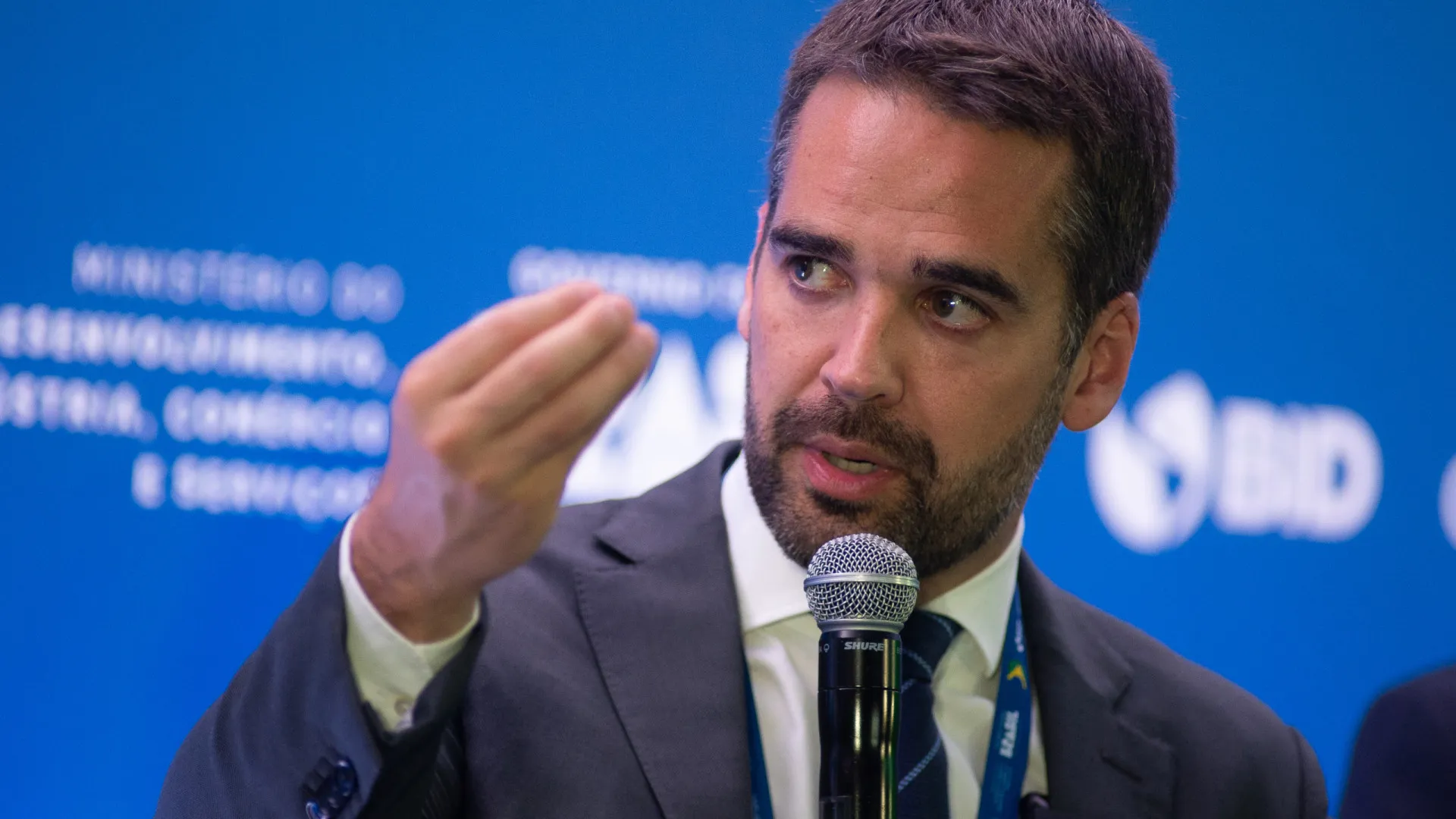
Brazilians Unite: Economists and Civil Leaders Unite Behind Eduardo Leite’s Presidential Candidacy
In a move that has sent shockwaves through the Brazilian political landscape, a group of economists and civil leaders has come together to form a manifesto in support of Eduardo Leite’s presidential candidacy, despite his decision not to run as the candidate of the Social Democratic Party (PSD) after the party’s presidential nomination went to Ronaldo Caiado. This development marks a significant turning point in the country’s presidential election, with implications that extend far beyond the boundaries of party politics.
The Manifesto: An Economic and Institutional Agenda
The manifesto, which has been signed by numerous prominent economists and civil leaders, outlines a comprehensive economic and institutional agenda that aims to address the country’s pressing issues, including a stagnant economy, high inflation rates, and a polarized political environment. The document proposes a range of reforms, including tax reforms, regulatory changes, and investments in infrastructure and education. These proposals are designed to stimulate economic growth, reduce inequality, and promote social mobility.
A Critique of Polarization and the Need for a Centrist Alternative
The manifesto also critiques the current polarized political climate in Brazil, which has led to increased tensions and gridlock in Congress. The signatories argue that the country needs a centrist alternative that can bring together diverse groups and interests to achieve a more inclusive and sustainable development model. This message resonates with many Brazilians who are disillusioned with the country’s traditional party politics and are seeking a new path forward.
Historical Context and Implications
This development is significant because it reflects a growing dissatisfaction with the traditional party system in Brazil. The country has a long history of party-switching and shifting allegiances, but this move represents a new level of fragmentation. The PSD’s decision to nominate Ronaldo Caiado, a more conservative candidate, was seen as a departure from the party’s centrist roots, leading to a split within the party. This has created an opportunity for Eduardo Leite to position himself as a centrist alternative and potentially attract support from a broader range of voters.
The Future of Brazilian Politics
The future of Brazilian politics is uncertain, but one thing is clear: the country needs a new generation of leaders who can bring people together and provide a more inclusive and sustainable development model. The manifesto signed by these economists and civil leaders represents a call to action, urging Brazilians to come together and demand a better future for their country. As the presidential election approaches, this movement has the potential to shake up the traditional party politics and bring about a new era of change and transformation in Brazil.
Conclusion
The manifesto signed by these economists and civil leaders marks a significant turning point in the Brazilian presidential election. It reflects a growing dissatisfaction with the traditional party system and a desire for a centrist alternative that can bring people together and promote a more inclusive and sustainable development model. As the country navigates this uncertain terrain, one thing is clear: the future of Brazilian politics will be shaped by the choices made by its citizens, and the manifesto signed by these leaders represents a powerful call to action.