








The Complex Landscape of Social Media and Youth Mental Health: A Critical Examination of Premier Scott Moe’s Proposal
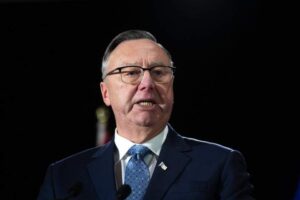
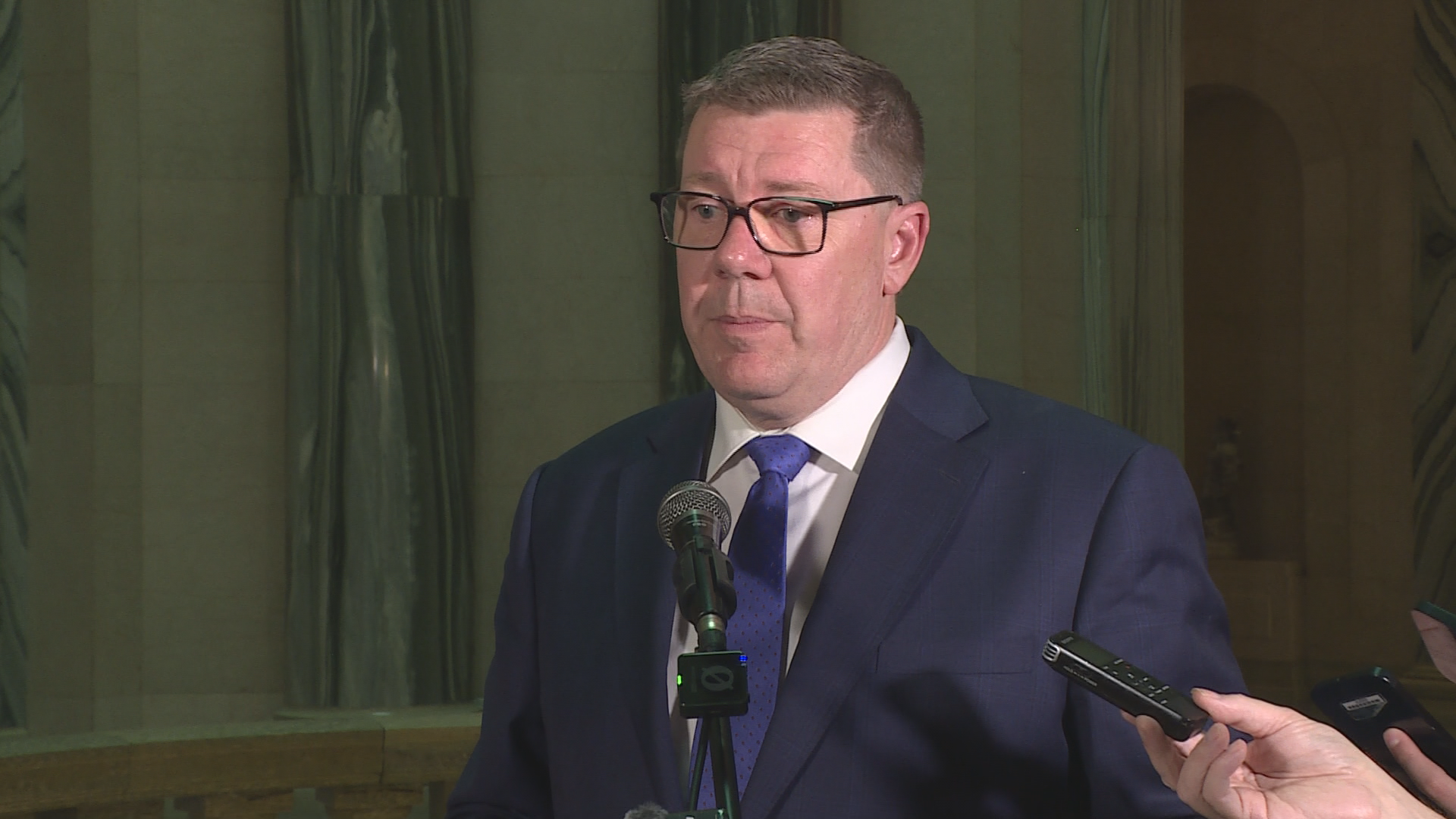
In a recent statement, Saskatchewan Premier Scott Moe has sparked a heated debate by suggesting that the province may consider implementing a social media ban for children under the age of 16. While the intention behind this proposal may be to mitigate the negative impact of social media on youth mental health, experts are cautioning that a blanket ban may not be the most effective solution to address this complex issue.
The Rise of Social Media and its Impact on Youth Mental Health
The proliferation of social media has been a defining feature of the digital age, with platforms such as Instagram, TikTok, and Facebook becoming an integral part of modern life. However, the increasing concern around the impact of social media on youth mental health has been a growing topic of discussion among experts, policymakers, and parents. Research has shown that excessive social media use is linked to a range of mental health issues, including anxiety, depression, and loneliness. The constant exposure to curated and manipulated content can create unrealistic expectations and a sense of inadequacy among young users.
The Unclear Benefits of a Social Media Ban
While a social media ban may seem like a straightforward solution to address the mental health concerns of youth, experts argue that it is a simplistic approach that may not address the root causes of the issue. A ban may inadvertently drive social media use underground, with young people finding alternative ways to access and engage with these platforms. Moreover, a ban may also neglect the potential benefits of social media, such as its ability to connect people, facilitate learning, and provide a platform for self-expression.
Historical Context and International Perspectives
The idea of regulating or banning social media is not new. In 2018, France became the first country to implement a social media law that requires platforms to remove hate speech and other forms of content deemed unacceptable. However, the effectiveness of such laws in addressing mental health concerns remains unclear. In the United States, the Federal Trade Commission (FTC) has taken steps to regulate social media companies, with a focus on protecting children’s online data and preventing the spread of misinformation. These international perspectives highlight the complexity of the issue and the need for a nuanced approach that balances individual freedoms with the need to protect mental health.
A Way Forward: Comprehensive and Informed Approaches
In light of the complexities surrounding social media and youth mental health, Premier Scott Moe’s proposal requires careful consideration and a more informed approach. Rather than a blanket ban, the Saskatchewan government may want to explore comprehensive solutions that address the root causes of mental health concerns among youth. This could include education programs that promote digital literacy, media literacy, and healthy social media use; support for mental health services and resources; and engagement with social media companies to develop age-appropriate and safe online environments.
In conclusion, the proposal to ban social media for children under 16 raises important questions about the relationship between technology and mental health. While the intention behind this proposal is understandable, a more thoughtful and informed approach is needed to address the complex issues surrounding social media use among youth. By engaging with experts, policymakers, and the wider community, we can work towards creating a safer and healthier digital environment for all.
Source: globalnews.ca