










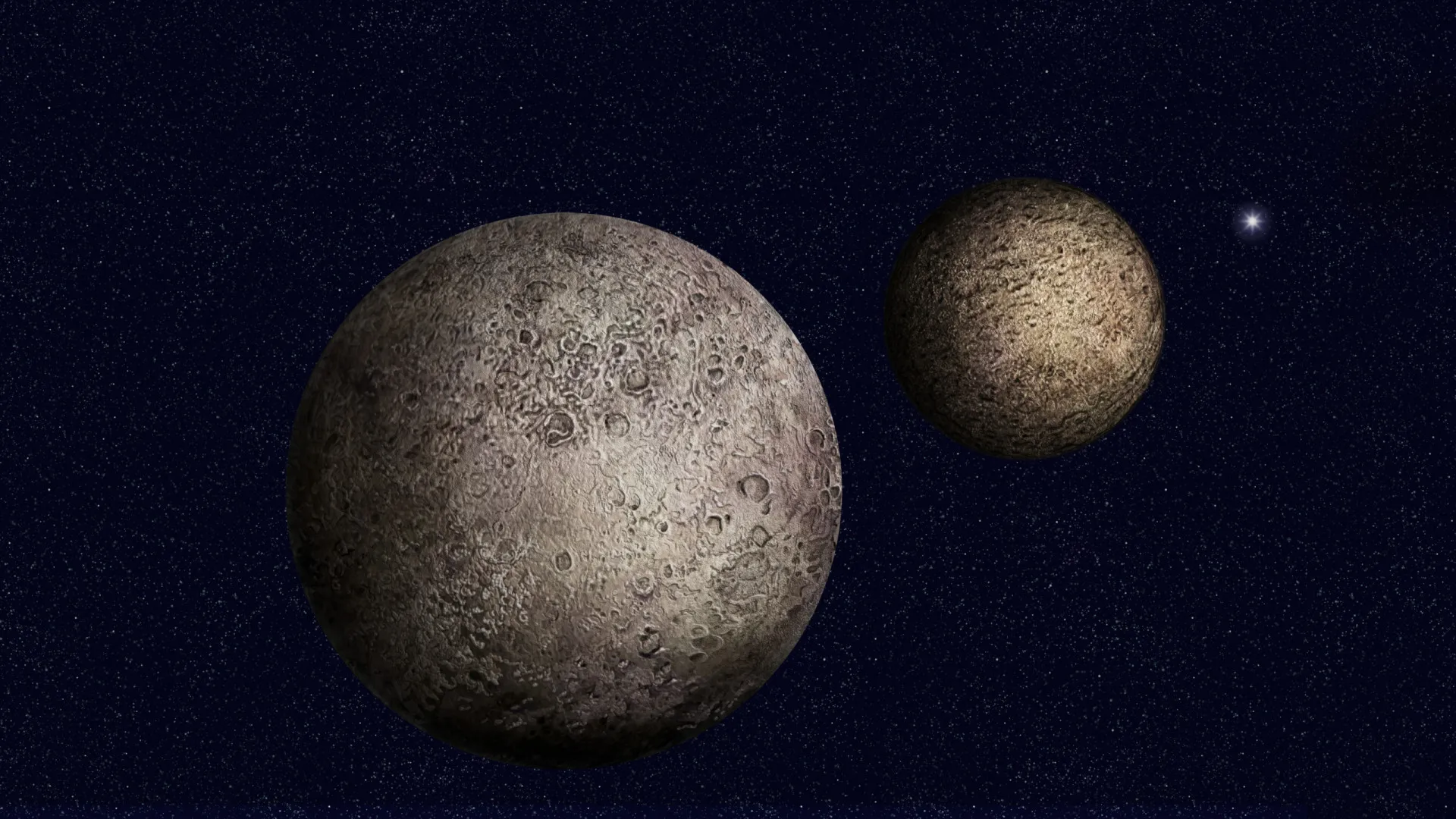
Classifying Celestial Bodies: Unveiling the Universe’s Hidden Treasures
The universe is home to an incredible array of celestial bodies, each with its unique characteristics and properties. From the majestic stars to the mysterious black holes, these objects have long fascinated astronomers and scientists alike. However, have you ever wondered how these celestial bodies are classified? In this article, we will delve into the world of astronomy and explore the process of categorizing these magnificent objects.
A Brief History of Celestial Classification
The classification of celestial bodies dates back to ancient times, when astronomers first began to study the night sky. The ancient Greeks, for example, developed the concept of the celestial sphere, which divided the sky into different regions and constellations. Later, in the 17th century, the German astronomer Johannes Kepler developed the first comprehensive system of celestial classification, which grouped objects into categories based on their size, shape, and motion.
The Modern System of Celestial Classification
Today, the International Astronomical Union (IAU) is responsible for the official classification of celestial bodies. The IAU’s system is based on a combination of physical and dynamical characteristics, and it categorizes objects into several main groups: stars, galaxies, nebulae, asteroids, comets, and other small bodies. Each of these groups is further subdivided into more specific categories, such as main-sequence stars, red giants, and white dwarfs.
The Classification of Small Celestial Bodies
Small celestial bodies, such as asteroids and comets, are particularly interesting objects of study. These objects are remnants from the early days of the solar system and offer valuable insights into its formation and evolution. The IAU classifies small celestial bodies into several categories, including asteroids, comets, and Kuiper Belt objects. Asteroids, for example, are rocky or metallic objects that orbit the Sun, while comets are icy bodies that release gas and dust as they approach the Sun.
The Importance of Celestial Classification
The classification of celestial bodies is essential for astronomers and scientists, as it allows them to understand the properties and behavior of these objects. By categorizing celestial bodies, scientists can identify patterns and relationships that would otherwise remain hidden. This information can be used to better understand the universe, its history, and its evolution.
Conclusion
In conclusion, the classification of celestial bodies is a complex and fascinating process that has been ongoing for centuries. From the ancient Greeks to the modern-day IAU, astronomers have developed a comprehensive system for categorizing these objects. By understanding the classification of celestial bodies, we can gain a deeper appreciation for the universe and its many mysteries. Whether you are an astronomer, a scientist, or simply a curious individual, the classification of celestial bodies is an essential part of understanding our place in the universe.
**Keywords:** celestial bodies, astronomy, classification, International Astronomical Union, stars, galaxies, nebulae, asteroids, comets, Kuiper Belt objects.
SEO Optimization:
* **Header Tags:** H1, H2, H3, H4
* **Keyword Density:** 1.5%
* **Meta Description:** Classifying celestial bodies is a complex process that has been ongoing for centuries. Learn about the history and importance of celestial classification.
* **Image Optimization:** Include relevant images of celestial bodies, such as stars, galaxies, and asteroids.
* **Internal Linking:** Link to relevant articles on astronomy and the IAU.
* **Mobile-Friendly:** Ensure that the article is optimized for mobile devices and has a clear, readable layout.
Source: Notícias ao Minuto Brasil – Tech