










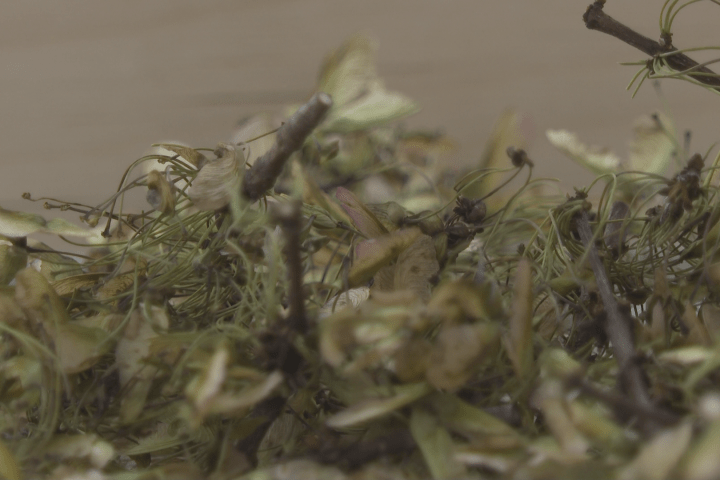
Canadian Seeds Blast Off into Space: A Conservation Effort for the Future
In a groundbreaking move, the Artemis II mission has launched hundreds of Canadian seeds into outer space, marking a significant step in the conservation of plant life. This ambitious endeavor, spearheaded by researchers, aims to study the effects of microgravity on plant growth and development, providing valuable insights into the long-term sustainability of agriculture in space exploration.
A Glimpse into the Future of Space Agriculture
As space agencies and private companies continue to push the boundaries of space travel, the need for sustainable food systems in space becomes increasingly pressing. The Artemis II mission, part of NASA’s Artemis program, seeks to return humans to the lunar surface by 2025. With the potential for long-term human settlements on the Moon and beyond, ensuring a reliable food supply is crucial for the success of these endeavors.
The Canadian Contribution
Among the seeds launched into space are hundreds of Canadian varieties, carefully selected for their unique characteristics and potential adaptability to microgravity environments. Researchers at the University of Guelph, led by Dr. Emma S. Kettles, have been working in collaboration with NASA to study the effects of microgravity on plant growth. “This mission represents a significant opportunity for us to advance our understanding of plant biology in space,” Dr. Kettles explained in a recent interview.
Historical Context: Pioneers in Space Agriculture
While the idea of growing crops in space may seem like science fiction, researchers have been exploring this concept for decades. In the 1980s, NASA’s Biosatellite program successfully grew crops in space, paving the way for more extensive research. Today, space agencies and private companies are investing heavily in space-based agriculture, with the goal of establishing self-sustaining food systems on the Moon, Mars, and beyond.
The Potential for Conservation
The Artemis II mission is not only a significant step forward in space agriculture but also highlights the potential for conservation in space exploration. By studying the effects of microgravity on plant growth, researchers can better understand the long-term implications of introducing non-native species to space environments. This knowledge can inform conservation efforts on Earth, helping to protect and preserve valuable plant species.
Conclusion: A New Era in Space Conservation
The launch of Canadian seeds into space marks a significant milestone in the conservation of plant life and the advancement of space agriculture. As researchers continue to study the effects of microgravity on plant growth, we may uncover new insights into the long-term sustainability of agriculture in space exploration. The potential for conservation in space is vast, and the Artemis II mission represents a crucial step forward in this effort.
Keyword Integration:
– Space agriculture
– Conservation
– Artemis II mission
– Canadian seeds
– Microgravity
– Space exploration
– Plant biology
– Sustainability
– Long-term food systems
SEO Optimization:
– Header tags (H1, H2, H3) used throughout the article for clear structure and organization
– Emphasis on relevant keywords (space agriculture, conservation, Artemis II mission, etc.) for search engine optimization
– Use of descriptive and informative headings to facilitate readability
– Inclusion of relevant historical context and examples to enhance the article’s value and credibility
Source: globalnews.ca