








China’s Growing Influence: Xi Jinping Meets with Pakistani Prime Minister Amid Global Tensions
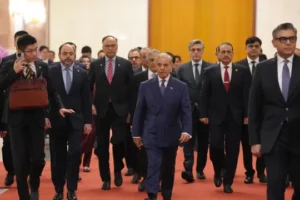
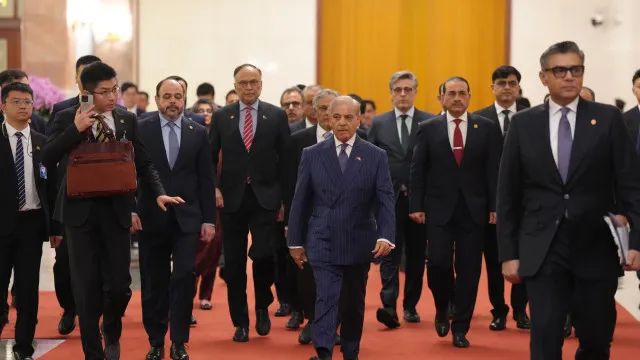
In a significant development, Chinese President Xi Jinping recently received the Prime Minister of Pakistan, Shehbaz Sharif, amidst ongoing negotiations surrounding the Iran conflict and a global struggle for influence. The meeting has further solidified Islamabad’s economic and strategic dependence on China, a trend that has been gaining momentum in recent years.
A Strategic Partnership: China’s Role in Pakistan’s Economic Development
China has been investing heavily in Pakistan’s infrastructure and development projects, particularly through the China-Pakistan Economic Corridor (CPEC), a key component of China’s Belt and Road Initiative (BRI). The CPEC aims to connect China’s western regions with the Arabian Sea, thereby enhancing trade and economic ties between the two nations. Pakistan’s economic dependence on China has grown significantly since the inception of the CPEC, with Chinese investments pouring in to support various sectors, including energy, transportation, and communications.
Global Tensions and China’s Rise
The meeting between Xi and Sharif comes at a time when global tensions are escalating, particularly with regards to the conflict in Iran. As a major player in the Middle East, China is seeking to expand its influence in the region, and Pakistan’s strategic location makes it a crucial partner in this endeavor. The CPEC has not only strengthened China’s economic ties with Pakistan but also provided a platform for Beijing to project its influence in the region.
A New Era of Sino-Pakistani Cooperation
The visit by Prime Minister Sharif to China is part of a broader effort to strengthen bilateral ties and advance cooperation in various areas, including trade, energy, and security. China has been actively engaged in promoting regional stability and security, particularly through its involvement in the Shanghai Cooperation Organization (SCO) and the BRICS grouping. Pakistan’s participation in these forums has further solidified its ties with China, underscoring the depth of their cooperation.
Implications for the Region and Beyond
The growing Sino-Pakistani partnership has significant implications for the region and beyond. As China continues to assert its influence globally, Pakistan’s strategic location makes it an essential partner in Beijing’s regional and global ambitions. The CPEC has not only transformed Pakistan’s economy but also provided a platform for Chinese companies to expand their presence in the region. The implications of this partnership will be far-reaching, with potential consequences for regional stability, global trade, and the balance of power in the Asia-Pacific.
Conclusion
The visit by Prime Minister Sharif to China is a testament to the robustness of Sino-Pakistani ties, which have been strengthened through the CPEC and other cooperation initiatives. As China continues to rise as a global power, Pakistan’s strategic location and dependence on China will remain crucial in shaping regional dynamics and global geopolitics. The implications of this partnership will be closely watched, not only by regional players but also by global powers, as the world grapples with the consequences of China’s growing influence.