






Indigenous Mobilization Brings Thousands to Brasília for Land Rights Debate and Advocacy
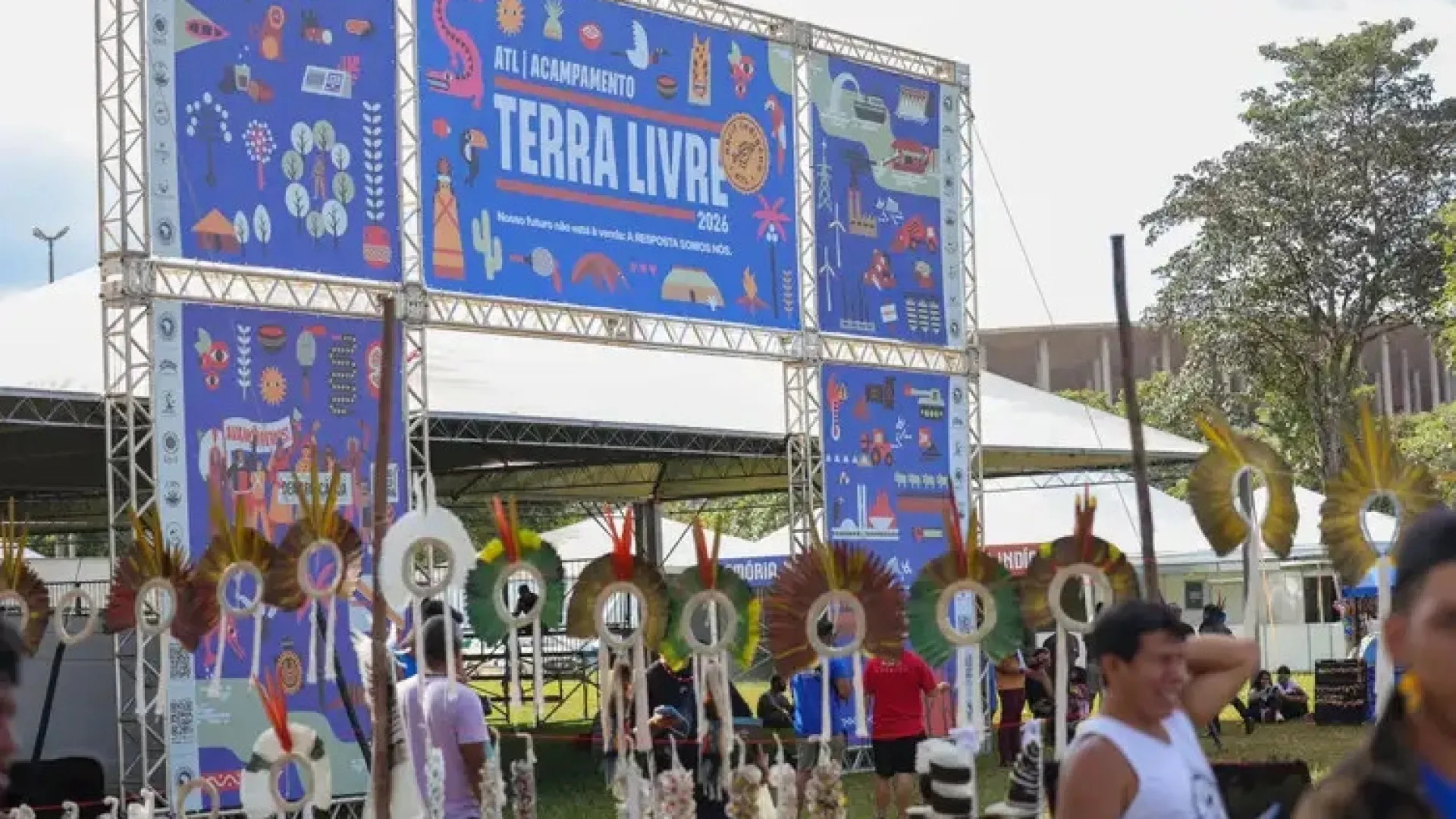
In a powerful display of unity and determination, thousands of indigenous people from across Brazil have converged on Brasília to participate in a historic gathering, marking the beginning of the annual Indigenous Month (Abril Indígena). The event, which kicked off on April 1, aims to bring attention to the pressing issues of land demarcation, indigenous rights, and political representation in the country’s capital.
The Quest for Land Rights and Self-Determination
For decades, indigenous communities in Brazil have been fighting for their rights to ancestral lands, which are increasingly threatened by agricultural expansion, mining, and logging activities. According to data from the Brazilian Ministry of Justice, indigenous lands cover approximately 13% of the country’s territory, but these areas are often vulnerable to encroachment by non-indigenous settlers and corporations. The demarcation of indigenous lands is a critical issue, as it not only ensures the protection of indigenous cultures and traditions but also facilitates the sustainable management of natural resources.
A Long History of Advocacy and Resistance
The struggle for indigenous rights in Brazil has a long and complex history. In the early 20th century, the Brazilian government began to recognize indigenous peoples’ rights to their lands, but this recognition was often limited to small, isolated areas. The 1988 Constitution, which established Brazil as a democratic federal state, enshrined the right to indigenous land and cultural preservation. However, the implementation of these rights has been hampered by bureaucratic delays, corruption, and resistance from powerful interest groups.
The Role of Indigenous Representation in Congress
The mobilization in Brasília also highlights the need for increased indigenous representation in the Brazilian Congress. Currently, there are only a handful of indigenous representatives in the National Congress, which has led to a lack of representation and voice for indigenous communities in policy-making decisions. The event seeks to amplify the demands of indigenous peoples for more substantial representation and participation in the country’s governance.
A Call to Action for the Brazilian Government
The gathering in Brasília serves as a clarion call to the Brazilian government to take concrete steps towards recognizing and protecting indigenous rights. The government has a crucial role to play in implementing the 1988 Constitution’s provisions on indigenous land and cultural preservation. By working closely with indigenous communities and organizations, the government can ensure that the rights of indigenous peoples are respected and protected. As the Brazilian government embarks on this critical journey, it is essential that it listens to the voices of indigenous peoples and takes concrete steps towards reconciliation and justice.
Conclusion
The mobilization of thousands of indigenous people in Brasília marks a significant moment in the ongoing struggle for indigenous rights in Brazil. As the country grapples with the challenges of economic development, social justice, and environmental sustainability, it is essential that the voices of indigenous peoples are heard and respected. By working together, the government, civil society, and indigenous communities can build a more just and equitable society for all.