










Online Gambling Regulations: Lula’s Government Faces Legislative Hurdles
In a recent statement, Brazilian President Luiz Inácio Lula da Silva expressed his commitment to regulating online gambling in the country. However, the implementation of these regulations remains uncertain due to the need for coordination with the country’s Legislative branch. This development highlights the complexities of governance and the delicate balance between the executive and legislative powers in Brazil.
The Current State of Online Gambling in Brazil
Brazil has a long history of restrictive gaming laws, which have led to a thriving grey market for online betting. The country’s laws prohibit most forms of gambling, with the exception of lotteries and horse racing. However, the rise of online platforms has created a loophole, allowing foreign operators to offer their services to Brazilian citizens. This has led to concerns about money laundering, tax evasion, and the potential harm caused by problem gambling.
The Legislative Hurdle
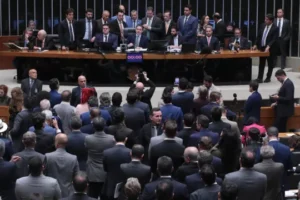
President Lula’s administration has acknowledged the need for regulatory reform, but the process is slow and contentious. The Legislative branch, which consists of the Federal Senate and the Chamber of Deputies, must approve any changes to the country’s gaming laws. This requires a delicate balance of interests, as different factions within the legislature have varying opinions on the issue.
Historical Context
Brazil’s gaming laws have been subject to revisions and amendments over the years. In 1941, the country’s first gaming law was enacted, which prohibited most forms of gambling. However, in the 1990s, the government introduced a more permissive approach, allowing for the creation of state-run lotteries and casinos. The current regulatory framework, which prohibits online betting, dates back to 2014.
Future Implications
The outcome of the legislative process will have significant implications for the gaming industry in Brazil. If regulations are implemented, foreign operators may be forced to withdraw from the market, potentially leaving a void that could be filled by domestic operators. On the other hand, a failure to regulate online betting could lead to further proliferation of the grey market and associated social and economic problems.
Conclusion
The fate of online gambling regulations in Brazil remains uncertain, pending the outcome of the legislative process. While President Lula’s administration has expressed its commitment to reform, the complexities of governance and the need for coordination with the Legislative branch threaten to delay progress. As the country continues to navigate this issue, stakeholders must consider the potential consequences of inaction, as well as the benefits of a well-regulated gaming industry.
Key Takeaways
* Brazil’s gaming laws have undergone revisions and amendments over the years, with the current regulatory framework prohibiting online betting.
* The implementation of online gambling regulations requires coordination with the Legislative branch, which has different factions with varying opinions on the issue.
* A failure to regulate online betting could lead to further proliferation of the grey market and associated social and economic problems.
* The outcome of the legislative process will have significant implications for the gaming industry in Brazil, including the potential withdrawal of foreign operators and the emergence of domestic operators.