






Israel-Iran Tensions Escalate Amid Ceasefire Negotiations
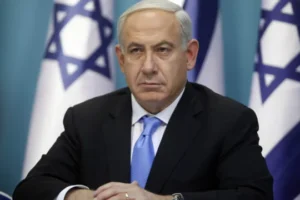
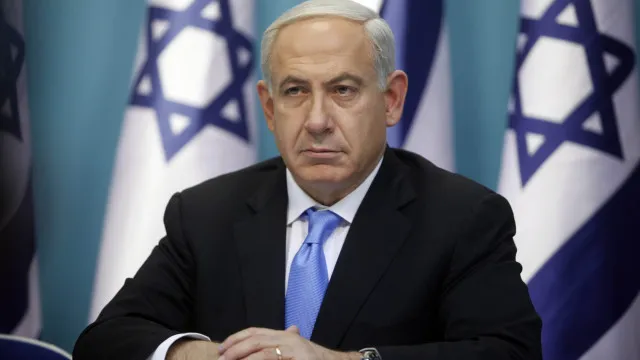
The Middle East continues to be a hotbed of geopolitical tensions as Israeli Prime Minister Benjamin Netanyahu announced that the Israeli military will intensify its operations in response to ongoing negotiations with Iran aimed at establishing a ceasefire. This development comes amidst a complex backdrop of regional rivalries and long-standing conflicts between Israel and its neighbors.
A History of Tensions
The Israeli-Iranian conflict has its roots in the 1979 Iranian Revolution, which saw the establishment of a Shia Islamic republic in Iran. This development led to a significant shift in the regional balance of power, with Iran emerging as a key player in the Middle East. Israel, a predominantly Jewish state, has long been wary of Iran’s nuclear ambitions and its support for Shia militant groups across the region.
Netanyahu’s Warning and Trump’s Response
In a recent statement, Netanyahu warned that the Israeli military will “accelerate even more” its operations in response to the ceasefire negotiations with Iran. This move is seen as a response to the ongoing tensions between the two countries, which have been exacerbated by Iran’s support for Palestinian militant groups and its nuclear program. Netanyahu also revealed that he had received a promise from former US President Donald Trump that a ceasefire with Iran would not impact Israel’s military operations against the Lebanese militant group Hezbollah.
Implications of the Ceasefire Negotiations
The ceasefire negotiations between Israel and Iran are part of a broader regional push for stability and peace in the Middle East. However, the Israeli military’s decision to intensify its operations in response to these negotiations suggests that the situation remains precarious. The implications of a potential ceasefire are far-reaching, with some analysts arguing that it could pave the way for a wider regional peace deal. Others, however, are more skeptical, citing the long history of mistrust and violence between Israel and its neighbors.
Regional Implications and Future Directions
The Israeli-Iranian conflict has significant regional implications, with many countries in the Middle East caught in the middle. The United States, in particular, has been engaged in a delicate balancing act between Israel and Iran, with some analysts arguing that a ceasefire could be a key stepping stone towards a broader regional peace deal. However, the road ahead remains uncertain, with many challenges still to be overcome.
Conclusion
As the situation in the Middle East continues to unfold, one thing is clear: the Israeli-Iranian conflict remains a complex and deeply entrenched issue. The Israeli military’s decision to intensify its operations in response to ceasefire negotiations with Iran serves as a reminder of the ongoing tensions between the two countries. As the world watches with bated breath, one thing is certain: the path to peace in the Middle East will be long and difficult, requiring careful diplomacy and a willingness to engage with the complex historical and regional dynamics at play.