









Philadelphia Parking Garage Collapse: A Critical Analysis of Construction Safety and Regulatory Failures
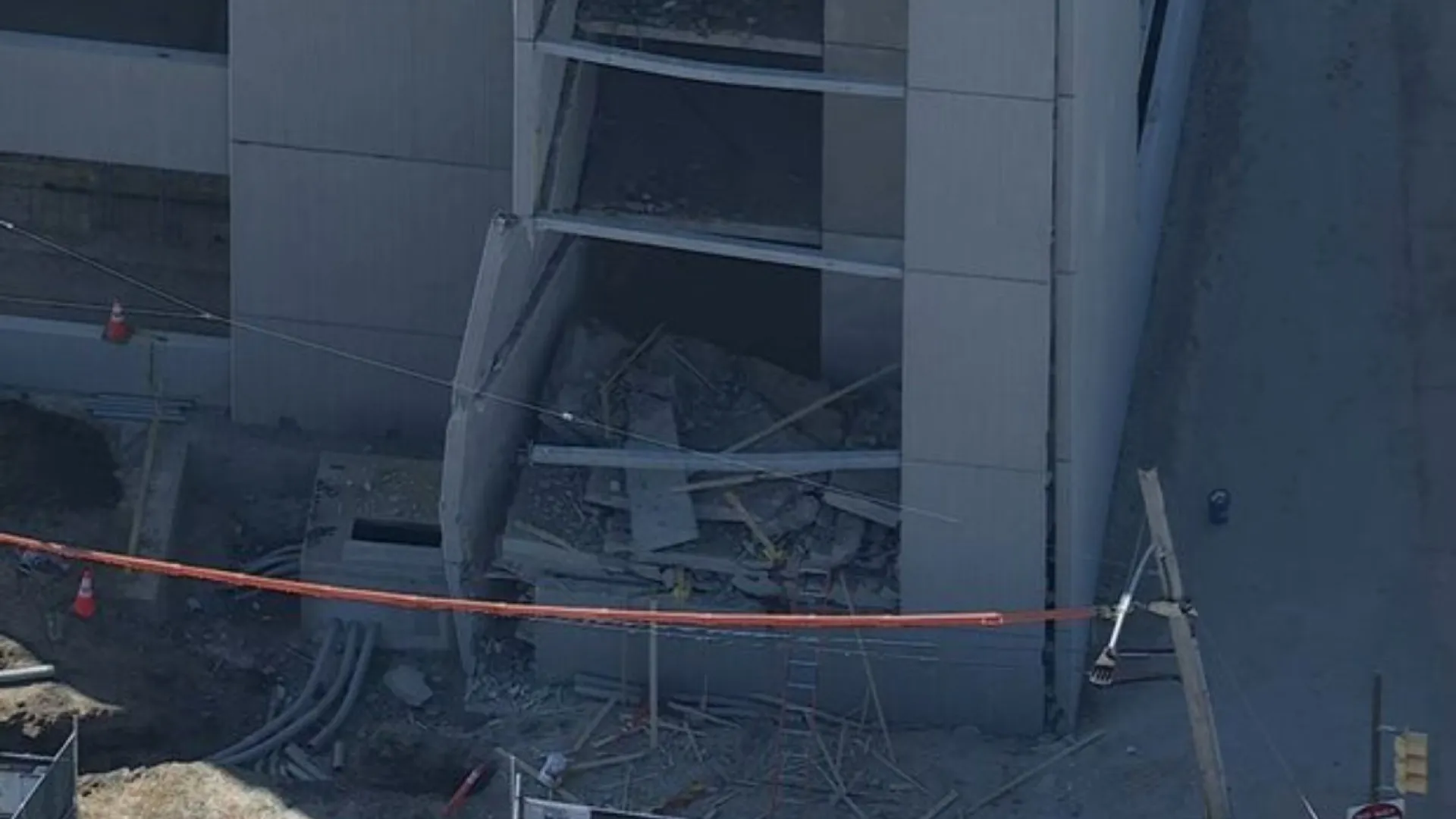
In the early hours of a fateful day, a parking garage under construction at a hospital in Philadelphia, Pennsylvania, suffered a catastrophic collapse, leaving a trail of destruction and uncertainty in its wake. The incident, which began at the top of a stairwell access point and spread across seven floors, serves as a stark reminder of the importance of robust construction safety regulations and their rigorous enforcement.
Background and Context: A History of Construction Safety Concerns
The parking garage collapse is the latest in a long line of construction accidents that have plagued the United States in recent years. From the 2013 Philadelphia building collapse that killed six people to the 2018 Miami bridge collapse that claimed 6 lives, these incidents highlight the need for more stringent safety measures in the construction industry. In the wake of these tragedies, regulatory bodies such as the Occupational Safety and Health Administration (OSHA) have increased their scrutiny of construction sites across the country.
The Role of Regulatory Failures in Construction Accidents
A closer examination of the Philadelphia parking garage collapse reveals a disturbing pattern of regulatory failures. According to reports, the structure that collapsed was part of a larger expansion project at the hospital, which aimed to increase parking capacity for employees. However, it appears that safety protocols were not strictly adhered to during the construction process, leading to a catastrophic collapse. This incident raises important questions about the efficacy of current regulatory frameworks and the need for greater accountability in the construction industry.
The Consequences of Inadequate Safety Measures
The aftermath of the parking garage collapse has left many questions unanswered. With seven floors of the structure destroyed, the economic and human costs of the incident are still being tallied. Furthermore, concerns have been raised about the impact of the collapse on hospital operations and the well-being of staff and patients. This tragic event serves as a stark reminder of the importance of prioritizing safety in construction projects, particularly in high-risk environments such as hospitals.
Looking Forward: Reforms and Recommendations
In the wake of the Philadelphia parking garage collapse, there is a pressing need for reforms to improve construction safety standards and regulations. Regulatory bodies such as OSHA must be empowered to conduct more stringent site inspections and enforcement actions. Furthermore, the construction industry must adopt a culture of safety, prioritizing the well-being of workers and the public. By learning from this tragedy, we can work towards a safer and more secure built environment for all.
Conclusion: A Call to Action
The Philadelphia parking garage collapse serves as a harsh reminder of the devastating consequences of construction safety failures. As we move forward, it is essential that we prioritize reform and accountability in the construction industry. By doing so, we can prevent future tragedies and create a safer, more resilient built environment for generations to come.