









Aerial Tragedy in the Bolivian Skies: Circles of Death
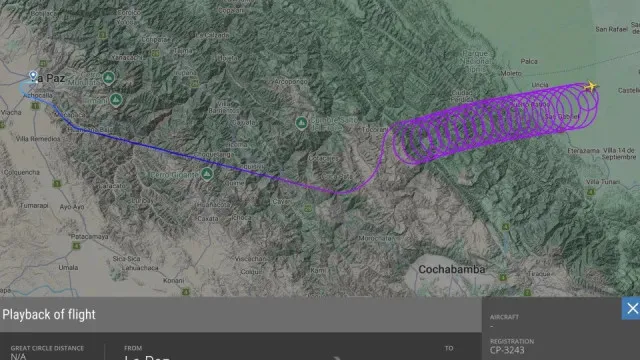
In a disturbing incident that raises serious questions about air safety and pilot training, a small aircraft vanished from radar screens on Monday, February 13, after circling for two hours over the skies of Bolivia. The ill-fated flight ended in tragedy when the pilot and co-pilot, the sole occupants of the plane, were found dead upon impact.
Aerial Circuits: A Red Flag for Safety
The circumstances surrounding this incident are eerily reminiscent of a 2006 crash in which a pilot became disoriented while flying in circles over the Florida Keys. In that case, the pilot, a seasoned veteran with over 20 years of experience, became trapped in a state of spatial disorientation, unable to shake off the feeling of being in a perpetual loop. The similarity in circumstances cannot be overlooked, and raises concerns about the risks associated with prolonged flight in a confined airspace.
Bolivian Airspace: A Complex Environment
Bolivia’s diverse geography, with its rugged terrain and diverse climate zones, presents a unique challenge to air traffic control and pilot navigation. The country’s airspace is also subject to a range of meteorological conditions, including turbulence, icing, and thunderstorms. These factors, combined with the remote location of the incident, likely made it difficult for authorities to track the aircraft in real-time, exacerbating the crisis.
Investigation Underway
As an investigation into the crash gets underway, the Bolivian government has promised a thorough examination of all factors contributing to the tragedy. The probe will likely focus on the pilot’s training, experience, and decision-making processes, as well as the aircraft’s maintenance and airworthiness. The findings of this investigation will be crucial in shedding light on the circumstances leading up to the crash and identifying areas for improvement in Bolivian aviation safety.
Safety First: Preventing Future Tragedies
The incident serves as a stark reminder of the importance of prioritizing safety in aviation. Pilots, air traffic controllers, and aviation authorities must remain vigilant in their pursuit of a zero-tolerance policy for human error and equipment failure. By learning from this tragic incident and implementing targeted reforms, the Bolivian aviation industry can work towards a safer future for all its stakeholders.
Conclusion
The loss of life in this incident is a tragic reminder of the risks and uncertainties associated with aviation. As the investigation unfolds, it is essential to maintain a fact-based approach, avoiding speculation and focusing on the hard facts. By doing so, we can ensure that the lessons learned from this tragedy are put into practice, ultimately saving lives and preventing future aerial tragedies.