









Iran’s Oil Exports: Navigating the Complexities of the Hormuz Embargo
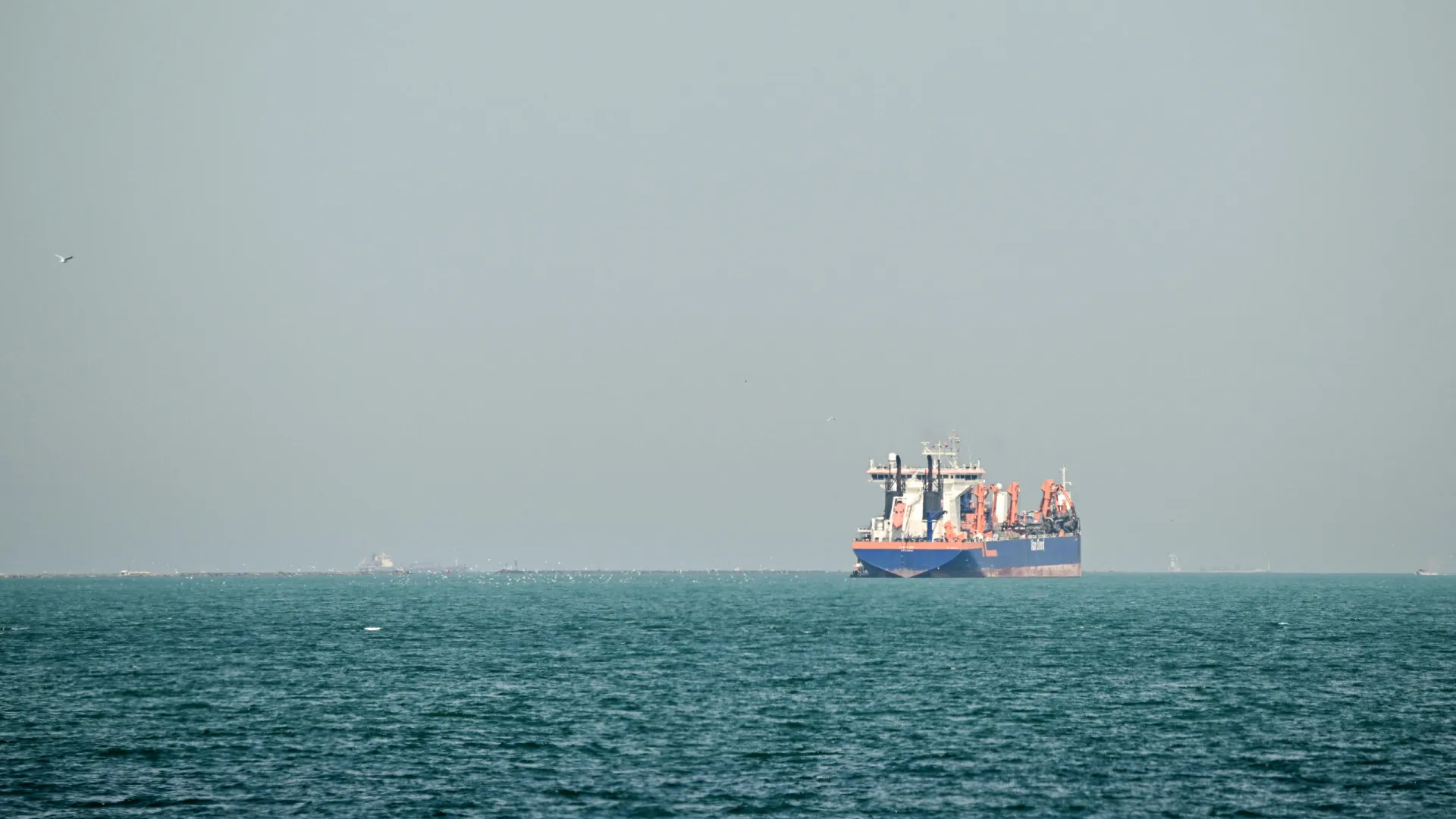
In the midst of heightened tensions in the Middle East, the global oil market is closely watching the situation surrounding the Strait of Hormuz, a critical waterway that connects the Persian Gulf to the Gulf of Oman. The strait’s strategic importance has been further emphasized by the recent embargo imposed by the United States on Iranian oil exports. According to maritime consultancies Kpler and LSEG, there is no recorded evidence of any Iranian tankers departing Hormuz since the start of the embargo. This development has sparked a heated debate, with Iran claiming that the sanctions do not have a significant impact on its oil exports.
The Strait of Hormuz: A Critical Waterway
The Strait of Hormuz is a 90-kilometer-wide waterway that separates Iran and Oman, connecting the Persian Gulf to the Gulf of Oman. The strait is a crucial artery for global energy supplies, as it allows for the passage of approximately 20% of the world’s oil production. The importance of this waterway cannot be overstated, and its security has been a major concern for nations relying on oil imports.
The Role of the United States in Oil Exports
In an effort to ease the pressure on oil prices, the United States has granted permission for the sale of Iranian oil that was already loaded onto tankers before the embargo took effect. This move has been seen as a strategic attempt to mitigate the impact of the sanctions on the global oil market. Iranian officials argue that this development has reduced the effectiveness of the embargo, allowing the country to continue exporting its oil without significant disruptions.
Global Implications and Future Outlook
The ongoing standoff between the United States and Iran has far-reaching implications for the global economy. As the world’s third-largest oil producer, Iran’s participation in the international oil market is crucial for maintaining global energy supplies. The impact of the embargo on oil prices has been a major concern, with prices experiencing a significant spike in recent months. As the situation continues to unfold, it remains to be seen how the global oil market will adapt to the new dynamics.
Conclusion
The situation surrounding the Strait of Hormuz and the Iranian oil embargo is a complex and multifaceted issue. The recent developments, including the absence of Iranian tankers departing Hormuz and the United States’ permission for the sale of Iranian oil, have added a new layer of complexity to the situation. As the global oil market continues to navigate this challenging environment, it is essential to consider the far-reaching implications of the standoff between the United States and Iran.
Key Statistics
– The Strait of Hormuz is a 90-kilometer-wide waterway that connects the Persian Gulf to the Gulf of Oman.
– Approximately 20% of the world’s oil production passes through the Strait of Hormuz.
– Iran is the world’s third-largest oil producer.
– The United States has granted permission for the sale of Iranian oil that was already loaded onto tankers before the embargo took effect.
By understanding the complexities of the situation and the strategic importance of the Strait of Hormuz, we can better appreciate the far-reaching implications of the standoff between the United States and Iran. As the global oil market continues to navigate this challenging environment, one thing is clear: the situation remains fluid, and the world is watching with bated breath.