







Brazil’s Southern State of Rio Grande do Sul Grapples with Landslide Risks
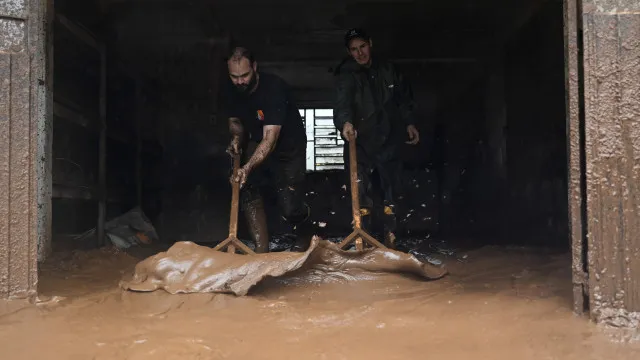
The state of Rio Grande do Sul, located in the southernmost region of Brazil, is currently facing a precarious situation due to the threat of landslides in various areas. According to the state’s Civil Defense agency, the situation demands attention and vigilance from local authorities and residents alike.
Rising Concerns over Heavy Rains
The recent spell of heavy rainfall in Rio Grande do Sul has heightened concerns about the potential for landslides. The region’s geography, characterized by rugged terrain, steep slopes, and dense vegetation, makes it particularly susceptible to such disasters. The Civil Defense agency has warned that several areas are at risk, with some neighborhoods and communities facing a higher likelihood of landslides due to the terrain’s instability.
Historical Context: Landslides in Brazil
Landslides have been a recurring concern in Brazil, with the country experiencing numerous devastating incidents in recent years. In 2010, a massive landslide in Rio de Janeiro killed 246 people, while in 2019, heavy rainfall caused widespread flooding and landslides in the northeastern state of Bahia, resulting in over 100 deaths. These events underscore the need for effective disaster preparedness and mitigation strategies in Brazil.
Prevention and Preparedness Measures
The Civil Defense agency in Rio Grande do Sul has implemented various measures to mitigate the risks associated with landslides. These include evacuation drills, public awareness campaigns, and infrastructure improvements to enhance drainage and prevent soil erosion. Additionally, local authorities are working closely with residents to conduct risk assessments and identify areas of high vulnerability.
Looking Ahead: A Need for Sustainable Development
As the state of Rio Grande do Sul continues to grapple with the threat of landslides, it is essential to consider the long-term implications of this situation. Sustainable development and urban planning strategies can play a crucial role in reducing the risks associated with landslides. This may involve adopting green infrastructure practices, promoting eco-friendly construction methods, and investing in early warning systems to alert residents of potential dangers.
Conclusion
The situation in Rio Grande do Sul serves as a stark reminder of the importance of disaster preparedness and mitigation strategies in Brazil. As the state continues to navigate the challenges posed by landslides, it is crucial to prioritize sustainable development and risk reduction measures. By working together, local authorities, residents, and stakeholders can create a safer and more resilient community for all.