






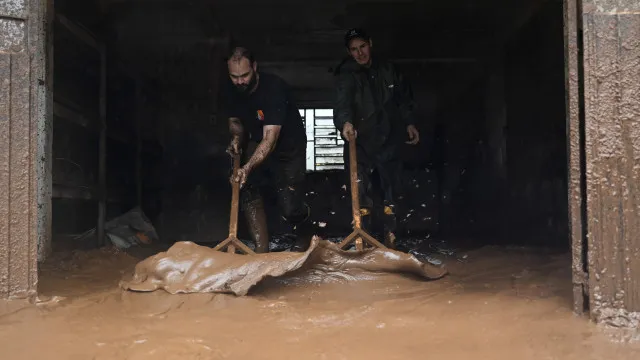
Brazil’s Southern State Faces Ongoing Threat of Landslides
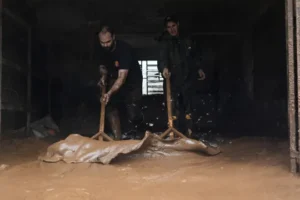
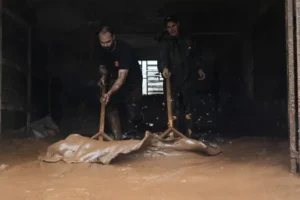
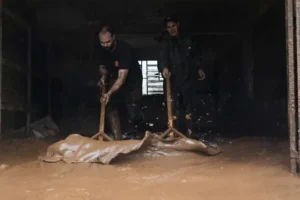
The southern state of Rio Grande do Sul in Brazil continues to grapple with the risk of landslides, according to the state’s Civil Defense agency. Despite the ongoing attention being paid to this pressing issue, the threat of devastating mudslides and rockfalls remains a pressing concern for residents and authorities alike.
Historical Context: Landslide Risk in Brazil
Brazil’s terrain is characterized by a complex geology, with steep mountainous regions and dense vegetation making it prone to landslides. This vulnerability has been exacerbated by climate change, heavy rainfall, and deforestation, which have all contributed to an increased risk of landslides in recent years. In the state of Rio Grande do Sul, the combination of these factors has resulted in a string of devastating landslides over the years, causing widespread damage and loss of life.
Current Situation: Ongoing Risks and Concerns
According to the state’s Civil Defense agency, the current situation in Rio Grande do Sul remains precarious due to the risk of landslides in various regions. The agency has been working tirelessly to monitor the situation and provide support to affected communities, but the threat of landslides remains a pressing concern. In this context, it is essential to examine the various factors that contribute to the risk of landslides in the region, including the impact of climate change, deforestation, and inadequate infrastructure.
Climate Change and Landslides: A Growing Concern
Climate change has been identified as a key factor in the increased risk of landslides in Brazil. Rising temperatures and changing precipitation patterns have led to more frequent and intense rainfall events, which can trigger landslides in vulnerable regions. In addition, climate change has also contributed to the increased risk of droughts, which can lead to soil instability and increased landslide risk. The state of Rio Grande do Sul is particularly vulnerable to these effects, given its unique geography and climate.
Conclusion: A Call to Action
The ongoing threat of landslides in Rio Grande do Sul serves as a stark reminder of the importance of addressing the root causes of this pressing issue. By working together to mitigate the effects of climate change, protect and restore natural habitats, and improve infrastructure, we can reduce the risk of landslides and ensure a safer future for the state’s residents. As the state’s Civil Defense agency continues to monitor the situation and provide support to affected communities, it is essential that we acknowledge the complexity of this issue and work towards a comprehensive solution that addresses the needs of all stakeholders involved.
Recommendations for Future Action
To address the ongoing threat of landslides in Rio Grande do Sul, the following recommendations are made:
1. **Climate Change Mitigation:** Implement measures to reduce greenhouse gas emissions and mitigate the effects of climate change, such as increasing the use of renewable energy and implementing sustainable land-use practices.
2. **Natural Habitat Protection:** Protect and restore natural habitats, such as forests and wetlands, which play a crucial role in preventing landslides and maintaining soil stability.
3. **Infrastructure Development:** Improve infrastructure, such as roads and buildings, to ensure they are designed and constructed to withstand the effects of landslides and floods.
4. **Community Engagement:** Engage with local communities to raise awareness about the risks of landslides and the importance of preparedness and mitigation measures.
By working together to address the root causes of landslides and implementing effective mitigation measures, we can reduce the risk of devastating mudslides and rockfalls in Rio Grande do Sul and ensure a safer future for the state’s residents.