









Wildlife Attack in a Tourist Park: Stabilization of the Young Victim’s Health
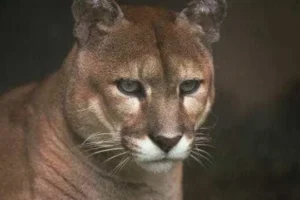
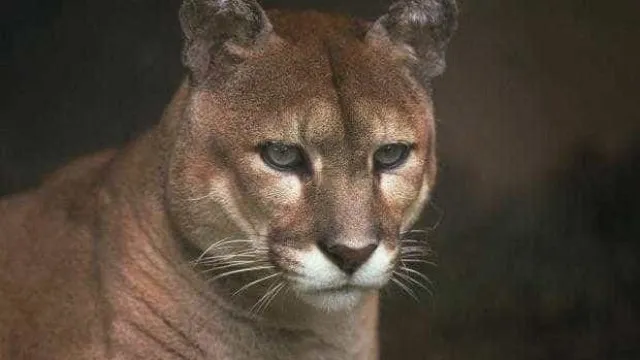
A recent incident in a popular tourist park in the region has sent shockwaves among locals and visitors alike, with a young girl being mauled by a wild animal. Just two days after the attack, the child’s health has been reported to be in a stable condition, thanks to swift medical intervention.
Immediate Response and Medical Treatment
According to sources, the young girl underwent a reconstructive surgery on her face, aimed at mitigating the physical damage inflicted by the wild animal. Additionally, she received vaccinations against rabies and tetanus to prevent any potential complications arising from the bite wounds. This rapid response by medical professionals has undoubtedly saved the child’s life and significantly improved her chances of a full recovery.
Wildlife Encounters: A Growing Concern in Tourist Areas
This incident serves as a stark reminder of the dangers posed by wildlife encounters in tourist areas. As human settlements expand into natural habitats, the risk of conflicts between humans and animals increases. In recent years, there has been a rise in reported cases of wild animal attacks on humans, particularly in regions with high levels of deforestation and habitat fragmentation.
Historical Context: The Growing Problem of Human-Wildlife Conflict
Historically, human-wildlife conflict has been a pressing issue in many parts of the world. In regions with high levels of urbanization and agricultural expansion, the fragmentation of natural habitats has led to increased encounters between humans and wild animals. For instance, in India, the growing population and expanding agricultural land have led to increased conflicts between humans and wild elephants. Similarly, in Africa, the expansion of farmland and human settlements has resulted in a rise in human-wildlife conflicts, particularly with lions and leopards.
Future Implications: The Need for Proactive Measures
As the global population continues to grow, and human settlements expand into natural habitats, the risk of wildlife encounters is likely to increase. It is essential for policymakers, conservationists, and local communities to work together to develop proactive measures to mitigate these risks. This may involve the establishment of buffer zones between human settlements and natural habitats, the installation of warning systems and fencing, and the implementation of education and outreach programs to raise awareness about the dangers of wildlife encounters.
Conclusion: A Cautionary Tale
The recent incident in the tourist park serves as a cautionary tale about the dangers of wildlife encounters in tourist areas. While swift medical intervention has saved the young girl’s life, the incident highlights the need for proactive measures to prevent such incidents in the future. By working together, we can minimize the risks associated with human-wildlife conflict and ensure a safer coexistence between humans and wild animals.