








US and Nigerian Forces Launch Successful Anti-ISIS Operation in Nigeria
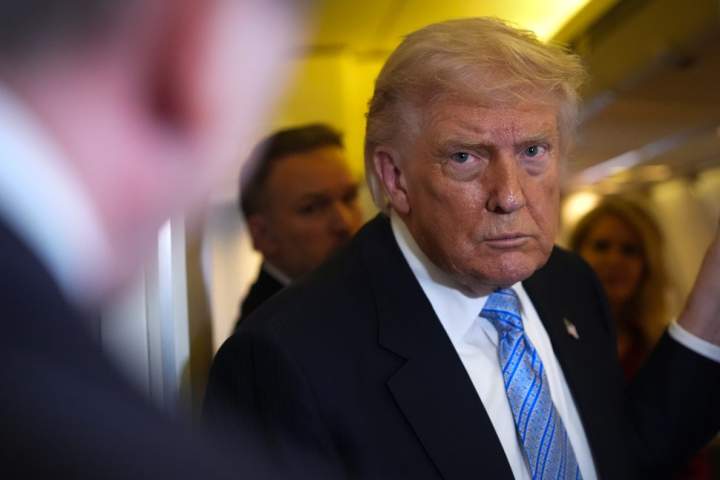
The United States and Nigerian military forces have achieved a significant milestone in their joint counter-terrorism efforts, successfully eliminating a high-ranking leader of the Islamic State in West Africa Province (ISWAP) in Nigeria. According to a statement made by US President Donald Trump, the mission, carried out on Friday, resulted in the death of the ISWAP leader.
A History of Counter-Terrorism Cooperation
The US-Nigeria cooperation in the fight against terrorism dates back to 2017, when both countries signed a Memorandum of Understanding (MoU) on Counter-Terrorism and Counter-Piracy. This partnership has led to a series of joint operations aimed at disrupting and dismantling terrorist networks in the region. The current operation is a testament to the effectiveness of this collaboration, which has been ongoing for several years.
The Rise of ISWAP in Nigeria
ISWAP, a splinter group of Boko Haram, has been wreaking havoc in Nigeria and neighboring countries since its formation in 2016. The group has claimed responsibility for numerous high-profile attacks, including the massacre of over 2,000 people in the northeastern town of Baga in 2015. The US-Nigeria partnership has been instrumental in containing the spread of ISWAP’s influence and disrupting its operations.
Key Challenges in the Counter-Terrorism Efforts
Despite the success of the US-Nigeria operation, the fight against terrorism in Nigeria remains a complex and challenging task. Insurgents continue to exploit local grievances and vulnerabilities, including poverty, lack of education, and poor governance. The Nigerian military has faced criticism for human rights abuses and corruption, which have undermined public trust and hindered efforts to defeat the insurgency.
Implications and Future Directions
The elimination of the ISWAP leader marks a significant victory in the US-Nigeria counter-terrorism partnership. However, it is crucial to acknowledge that the threat of terrorism in Nigeria remains a pressing concern. To address this challenge effectively, the partnership must continue to strengthen its capacity to address the root causes of terrorism, including poverty, inequality, and poor governance. Moreover, the international community must provide sustained support to Nigeria’s efforts to build a more inclusive and resilient society.
Conclusion
The US-Nigeria operation is a significant milestone in the fight against ISWAP and a testament to the effectiveness of the US-Nigeria counter-terrorism partnership. As the partnership continues to evolve and strengthen, it is essential to prioritize a comprehensive approach that addresses the root causes of terrorism and builds a more resilient and inclusive society in Nigeria.
Source: globalnews.ca