








Israel’s Prime Minister Signals Readiness for Ongoing Tensions with Iran
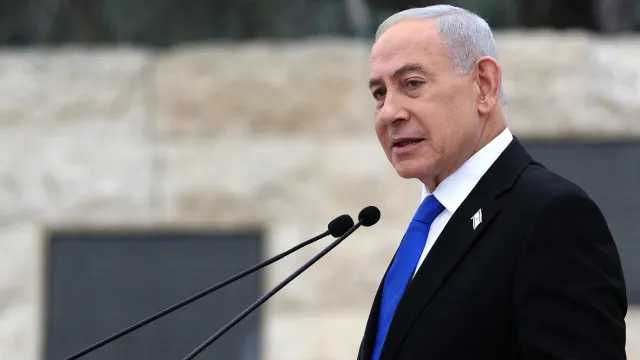
In a recent statement, the Prime Minister of Israel, Benjamin Netanyahu, emphasized that the country is prepared to face any potential scenario arising from a possible relaxation of the ceasefire with Iran. This announcement comes as tensions between the two nations continue to escalate, with implications that extend beyond the Middle East.
Background on Israeli-Iranian Relations
The complex history of Israeli-Iranian relations dates back to the 1950s, when Iran was still under the rule of the monarch, Mohammad Reza Pahlavi. Following the 1979 Iranian Revolution, which led to the establishment of an Islamic republic, the two nations have been embroiled in a decades-long struggle. Iran has long been a vocal critic of Israel’s existence, with some even calling for the country’s eradication. In response, Israel has maintained a robust defense posture, including military strikes against Iranian targets in Syria.
The Role of the United States in Israeli-Iranian Relations
The United States has traditionally played a significant role in mediating tensions between Israel and Iran. However, the relationship between the two nations has become increasingly strained under the current administration. The US withdrawal from the Joint Comprehensive Plan of Action (JCPOA), also known as the Iran nuclear deal, in 2018 has been seen as a major blow to efforts to stabilize the region. In response, Iran has continued to expand its nuclear program, prompting concerns from Israel and its allies.
Netanyahu’s Statement and Implications
Netanyahu’s statement that Israel is prepared to face any potential scenario highlights the country’s resilience in the face of ongoing tensions with Iran. The Prime Minister’s assertion that he will soon speak with the US President underscores the importance of continued cooperation between the two nations in addressing regional security concerns. However, the statement also raises questions about Israel’s long-term strategy in dealing with Iran. Will the country continue to pursue a military solution, or will it seek to engage in diplomatic efforts to resolve the conflict?
Conclusion
In a region marked by ongoing turmoil and uncertainty, Israel’s preparedness to face any potential scenario is a testament to the country’s determination to maintain its security and sovereignty. As tensions with Iran continue to escalate, the international community must remain vigilant and work towards a resolution that addresses the concerns of all parties involved. The outcome of these efforts will have far-reaching implications not only for the Middle East but also for global security and stability.