










A Passenger’s Perceived Disrespect on a Flight: Unpacking the Incident and its Consequences
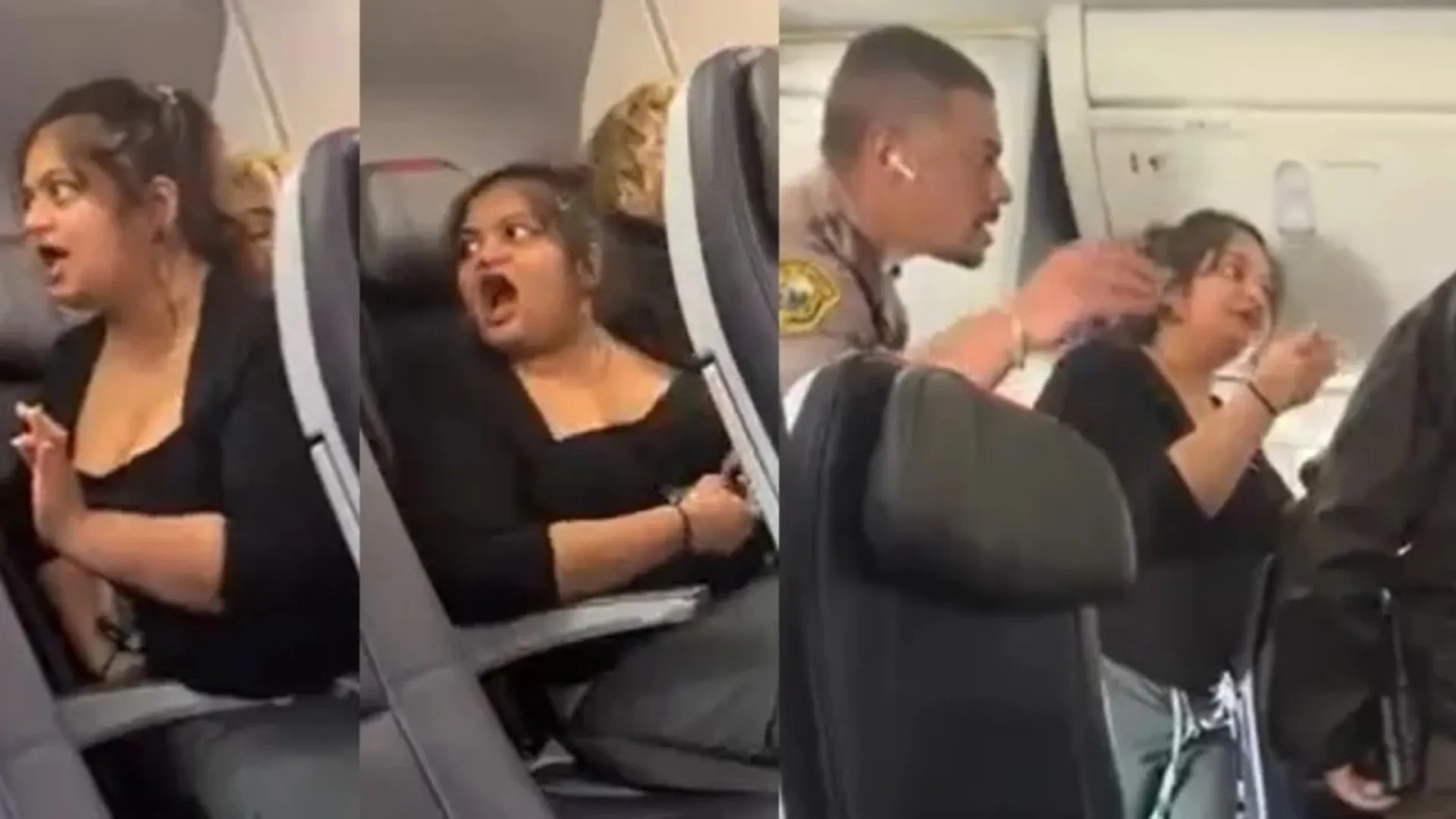
On a recent American Airlines flight, a passenger sparked an intense debate after she was questioned by fellow passengers and flight attendants about her choice of entertainment. The incident highlights the complexities of in-flight etiquette and the need for clear guidelines on what is considered acceptable behavior on commercial flights.
The Incident Unfolds
According to eyewitnesses, the passenger in question was watching a video on the plane’s shared entertainment system, which caused concern among some of her fellow passengers. The issue escalated when other passengers confronted her, leading to a heated exchange with flight attendants. The situation ultimately required the intervention of the flight crew to restore order.
In-Flight Etiquette: A Delicate Balance
The incident raises questions about the norms of in-flight behavior and the expectations placed on passengers. While airlines often provide guidelines on acceptable behavior, the specifics can be unclear. In this case, it appears that the passenger’s choice of entertainment was seen as intrusive or distracting by some of her fellow passengers. However, others may have viewed it as a harmless activity.
Historical Context: The Evolution of In-Flight Etiquette
The concept of in-flight etiquette has evolved significantly over the years, reflecting changes in passenger demographics, behavior, and airline regulations. In the past, passengers were generally more respectful of their fellow travelers, with a focus on minimizing disruptions to the flight experience. However, with the proliferation of in-flight entertainment systems and the increasing number of passengers, the dynamics of in-flight behavior have become more complex.
Regulatory Frameworks: A Lack of Clear Guidelines
Despite the importance of in-flight etiquette, there is a lack of clear guidelines and regulations governing passenger behavior on commercial flights. While airlines may have their own rules and policies, these can vary significantly from one carrier to another. This ambiguity can lead to confusion and conflict among passengers, as seen in the recent incident.
Future Implications: The Need for Clear Guidelines
The incident on the American Airlines flight highlights the need for clear guidelines and regulations governing in-flight behavior. Airlines, regulators, and industry stakeholders must work together to establish a standardized framework for acceptable behavior on commercial flights. This would help to minimize conflicts, ensure a positive passenger experience, and promote a culture of respect among travelers.
Conclusion
The recent incident on an American Airlines flight serves as a reminder of the importance of in-flight etiquette and the need for clear guidelines on acceptable behavior. While passengers have differing opinions on what is considered respectful, the lack of clear regulations has created a void that must be filled. By establishing a standardized framework for in-flight behavior, airlines and regulators can promote a positive passenger experience, minimize conflicts, and ensure a safe and respectful flight for all.