







Wildfires in British Columbia: Understanding the Risks and Consequences
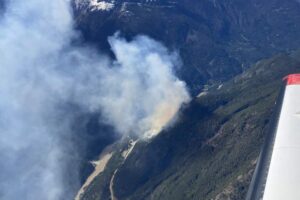
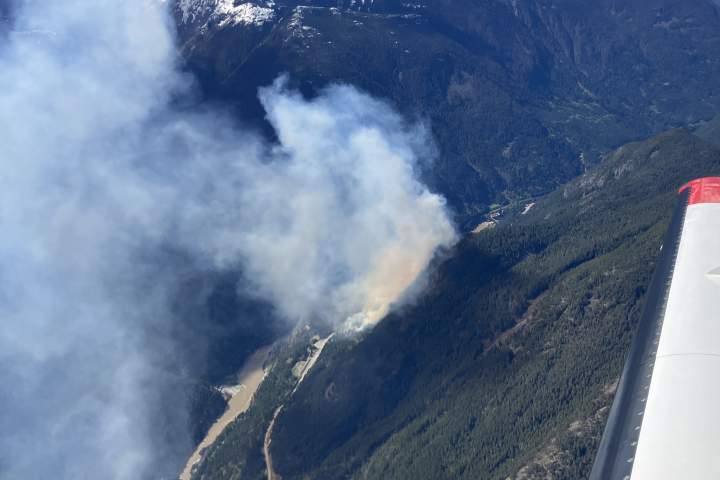
The province of British Columbia has long been a hotspot for wildfires, with the region’s dry climate and rugged terrain making it a prime location for uncontrolled fires. In recent years, the frequency and severity of these fires have increased, sparking concerns about public safety and environmental impact. The latest wildfire to join this list is the Ferrabee wildfire, discovered on Thursday on the east side of Highway 1, approximately 40 hectares in size and believed to be human-caused.
Causes and Consequences of Human-Caused Wildfires
The BC Wildfire Service attributes the Ferrabee wildfire to human activity, highlighting the importance of fire prevention and education in mitigating the risks associated with wildfires. According to the service, the majority of wildfires in British Columbia are indeed human-caused, often resulting from careless behavior such as discarded cigarettes, unattended campfires, or equipment malfunctions. The consequences of these fires can be devastating, with property damage, loss of wildlife habitats, and air quality issues posing significant concerns.
Historical Context: Wildfires in British Columbia
The province has experienced its fair share of devastating wildfires in recent years. The 2017 wildfire season, which saw over 1,000 fires burn across the province, was one of the most destructive on record. The Lytton Creek wildfire, which occurred in 2021, claimed the lives of two people and destroyed much of the town of Lytton. These events serve as a stark reminder of the importance of wildfire prevention and management.
Future Implications and Prevention Efforts
As the climate continues to change, the risk of wildfires in British Columbia is expected to increase. Warmer temperatures, drought, and changing weather patterns all contribute to a more fire-prone environment. To mitigate these risks, the BC government has implemented various initiatives aimed at fire prevention and education. These include public awareness campaigns, increased funding for wildfire management, and the deployment of firefighting resources to high-risk areas.
In conclusion, the Ferrabee wildfire serves as a poignant reminder of the risks and consequences associated with wildfires in British Columbia. As the province continues to grapple with the challenges of wildfire management, it is essential that residents, visitors, and policymakers work together to prevent these devastating events and protect the province’s natural resources.
Key Statistics:
– The Ferrabee wildfire is approximately 40 hectares in size.
– The majority of wildfires in British Columbia are human-caused.
– The province experienced over 1,000 wildfires in 2017, resulting in significant property damage and loss of life.
– The BC government has implemented various initiatives aimed at fire prevention and education.
**Keywords:** British Columbia, wildfires, fire prevention, climate change, environmental impact, public safety.
Source: globalnews.ca