









US-Brasil Cooperation on Counter-Terrorism and Extradition: A Complex Web of Interests
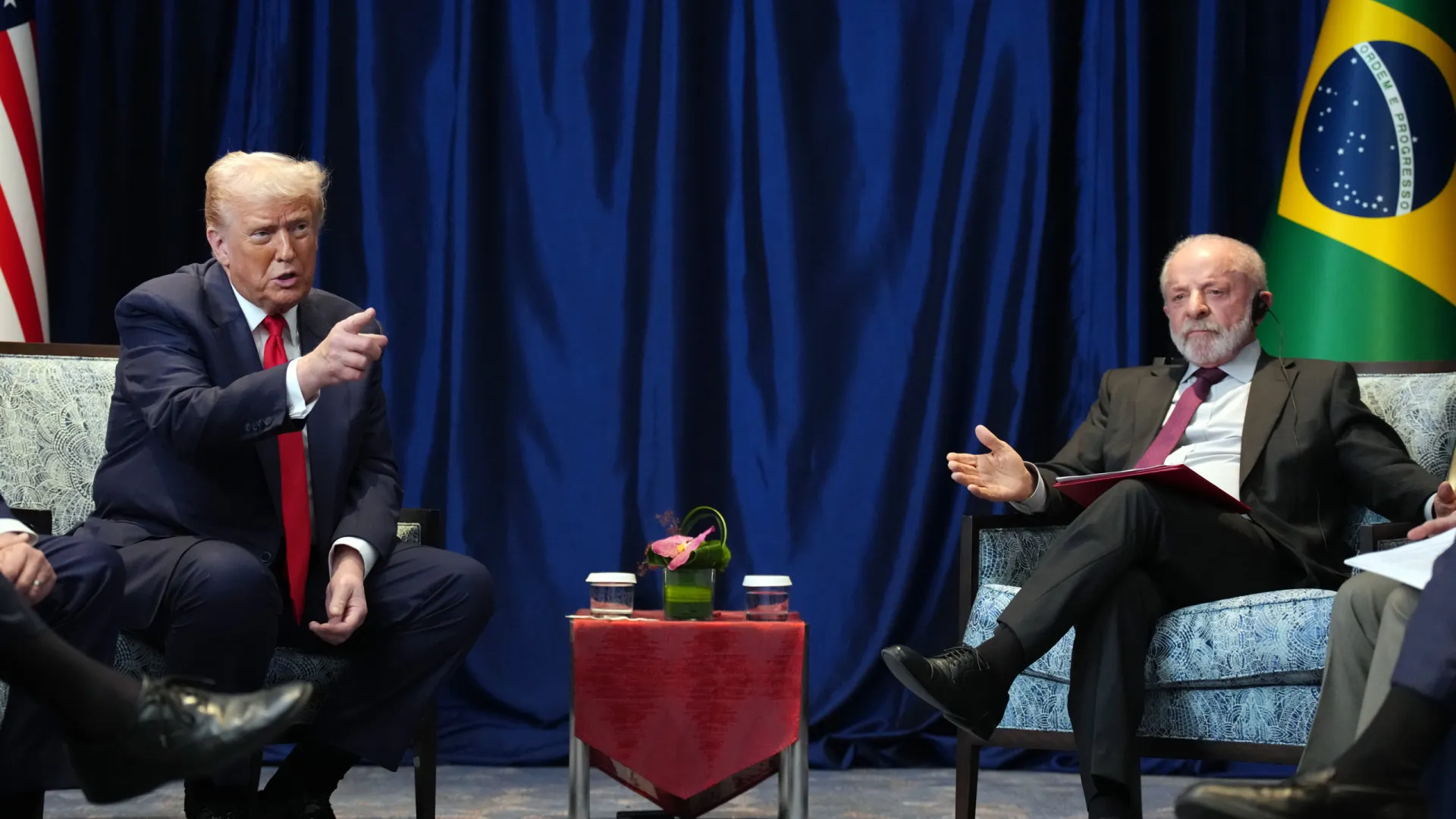
In a recent move that has sparked both interest and concern in diplomatic circles, the United States government under President Donald Trump has been planning to extradite individuals convicted of crimes in the US to Brazil, as well as seek cooperation from the Brazilian government in combating organized crime. Specifically, the US is seeking Brazilian assistance in dismantling the powerful Comando Vermelho and PCC (Primeiro Comando da Capital) cartels, as well as the Hezbollah terrorist organization and Chinese organized crime groups operating in Brazil.
A History of Cooperation, with Complications
The US and Brazil have a long history of cooperation on counter-terrorism and law enforcement matters. In 2011, the two countries signed the US-Brazil Counterterrorism Cooperation Agreement, which aimed to enhance intelligence sharing and cooperation on counter-terrorism efforts. However, the agreement also acknowledged the complexities of the issue, including the need to balance cooperation with respect for Brazilian sovereignty and laws.
In recent years, the US has been increasingly concerned about the presence of organized crime groups in Brazil, particularly the Comando Vermelho and PCC, which have been linked to violence and extortion in major cities. The US has also been concerned about the activities of Hezbollah in Brazil, which has been accused of raising funds for extremist activities in the Middle East.
The US Request for Brazilian Cooperation
The US request for Brazilian cooperation on counter-terrorism and extradition is part of a broader effort to combat organized crime and terrorism in the Americas. According to sources close to the matter, the US is seeking Brazilian assistance in gathering intelligence on organized crime groups, as well as cooperation in dismantling these groups through joint law enforcement operations.
In exchange, the US is offering to extradite Brazilian nationals who have been convicted of crimes in the US, including those accused of organized crime and terrorism. The US is also seeking Brazilian cooperation in implementing measures to prevent the flow of money and resources to organized crime groups.
Challenges and Implications
While the US-Brazil cooperation on counter-terrorism and extradition holds promise, it also raises several challenges and implications. One of the key concerns is the potential impact on Brazilian sovereignty and laws, particularly with regards to the treatment of individuals accused of organized crime and terrorism.
Another challenge is the complexity of the issue, which involves not only the presence of organized crime groups in Brazil but also the activities of foreign terrorist organizations and Chinese organized crime groups. The US will need to work closely with the Brazilian government to develop a comprehensive strategy to address these challenges.
Conclusion
The US request for Brazilian cooperation on counter-terrorism and extradition is a significant development in the complex web of interests between the two countries. While the cooperation holds promise, it also raises several challenges and implications that will need to be carefully managed. As the US and Brazil move forward on this issue, it is essential to balance cooperation with respect for Brazilian sovereignty and laws, while also addressing the root causes of organized crime and terrorism in the region.
**Keywords:** US-Brazil cooperation, counter-terrorism, extradition, organized crime, Hezbollah, Comando Vermelho, PCC, Brazilian sovereignty.
Sources:
* US-Brazil Counterterrorism Cooperation Agreement (2011)
* “US-Brazil cooperation on counter-terrorism and extradition” (Source: US Department of State)
* “Brazil’s organized crime problem” (Source: Brookings Institution)
* “Hezbollah’s presence in Brazil” (Source: Institute for the Study of War)