










Former Brazilian President Bolsonaro’s Health Concerns Addressed in Prison
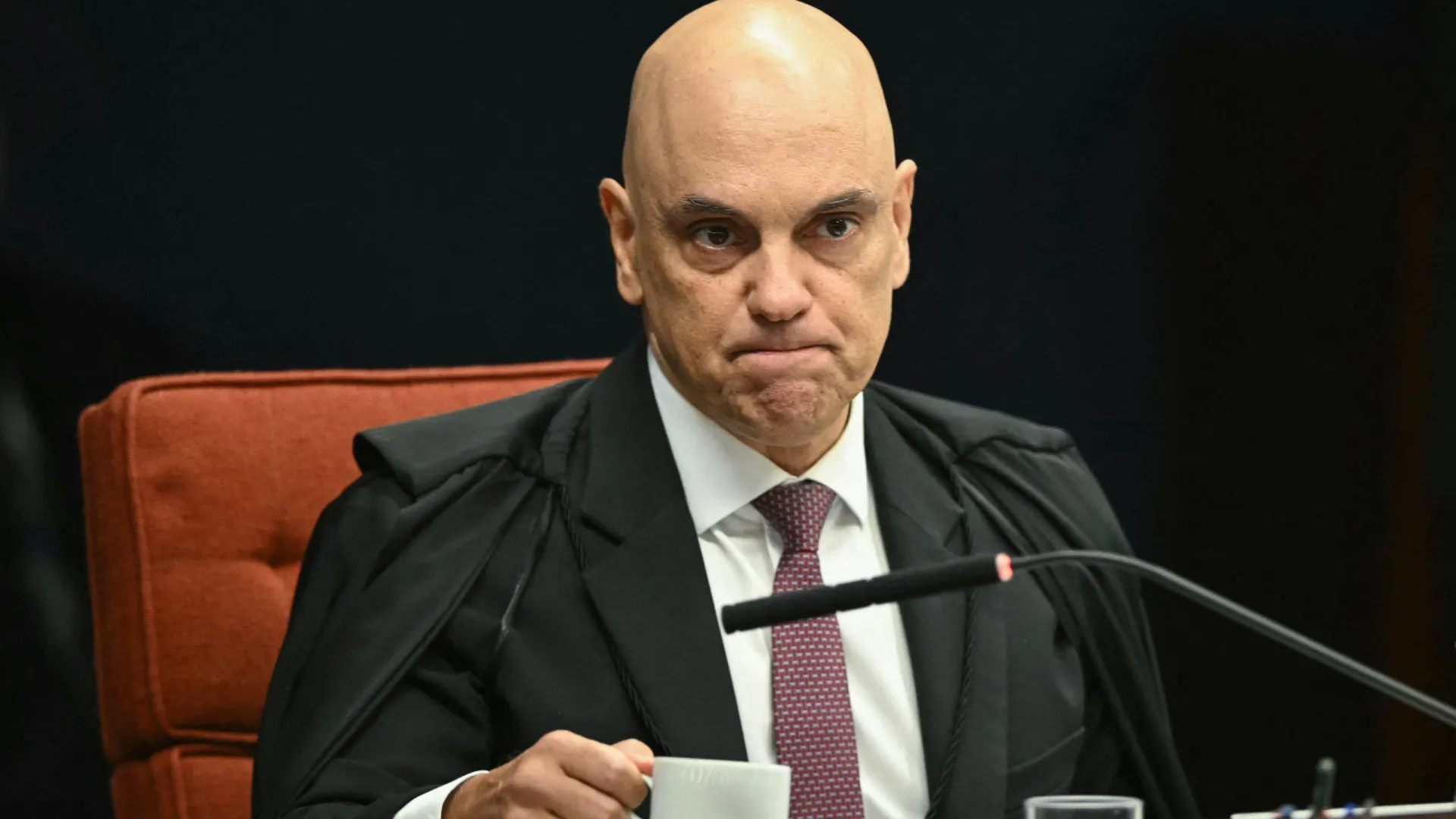
In a recent statement, a magistrate overseeing the case of former Brazilian President Jair Bolsonaro revealed that the health issues affecting the ex-president can be closely monitored and treated while he is in custody. The Papudinha prison, where Bolsonaro is currently being held, boasts a 24-hour medical assistance service, an advanced unit of the Brazilian Emergency Care Service (Samu), and unrestricted access for his medical team.
Access to Medical Care: A Human Right in Brazilian Prisons
The International Covenant on Civil and Political Rights, to which Brazil is a signatory, emphasizes the right of prisoners to receive adequate medical care. This provision is also enshrined in the Brazilian Federal Constitution, which guarantees the right to health as a fundamental human right. In the context of prison healthcare, the government has implemented various policies to ensure that inmates have access to quality medical services, including specialized care for chronic conditions.
Historical Context: Prison Healthcare in Brazil
Brazil’s prison healthcare system has faced criticism in the past for inadequate medical care and poor living conditions. However, in recent years, the government has made efforts to improve prison infrastructure and provide better access to healthcare services. The Papudinha prison, where Bolsonaro is being held, is considered one of the most modern and well-equipped prisons in the country, with state-of-the-art facilities and a strong focus on rehabilitation.
The Bolsonaro Case: Implications for Prison Healthcare
The Bolsonaro case has sparked debate about the balance between prison security and inmate welfare. The fact that the ex-president has access to advanced medical care while in custody has raised questions about the fairness of the system. While the government has maintained that Bolsonaro’s health concerns are being addressed, critics argue that this arrangement sets a precedent that may undermine the principles of equal treatment for all prisoners.
Conclusion: A New Era for Prison Healthcare in Brazil?
The Bolsonaro case has shed light on the complex issues surrounding prison healthcare in Brazil. As the country continues to grapple with the challenges of providing quality medical care to prisoners, the government must balance the need for security with the human right to health. The implications of this case will be closely watched, not only for Bolsonaro but also for the thousands of other prisoners in Brazilian prisons who rely on the healthcare system to address their medical needs.