










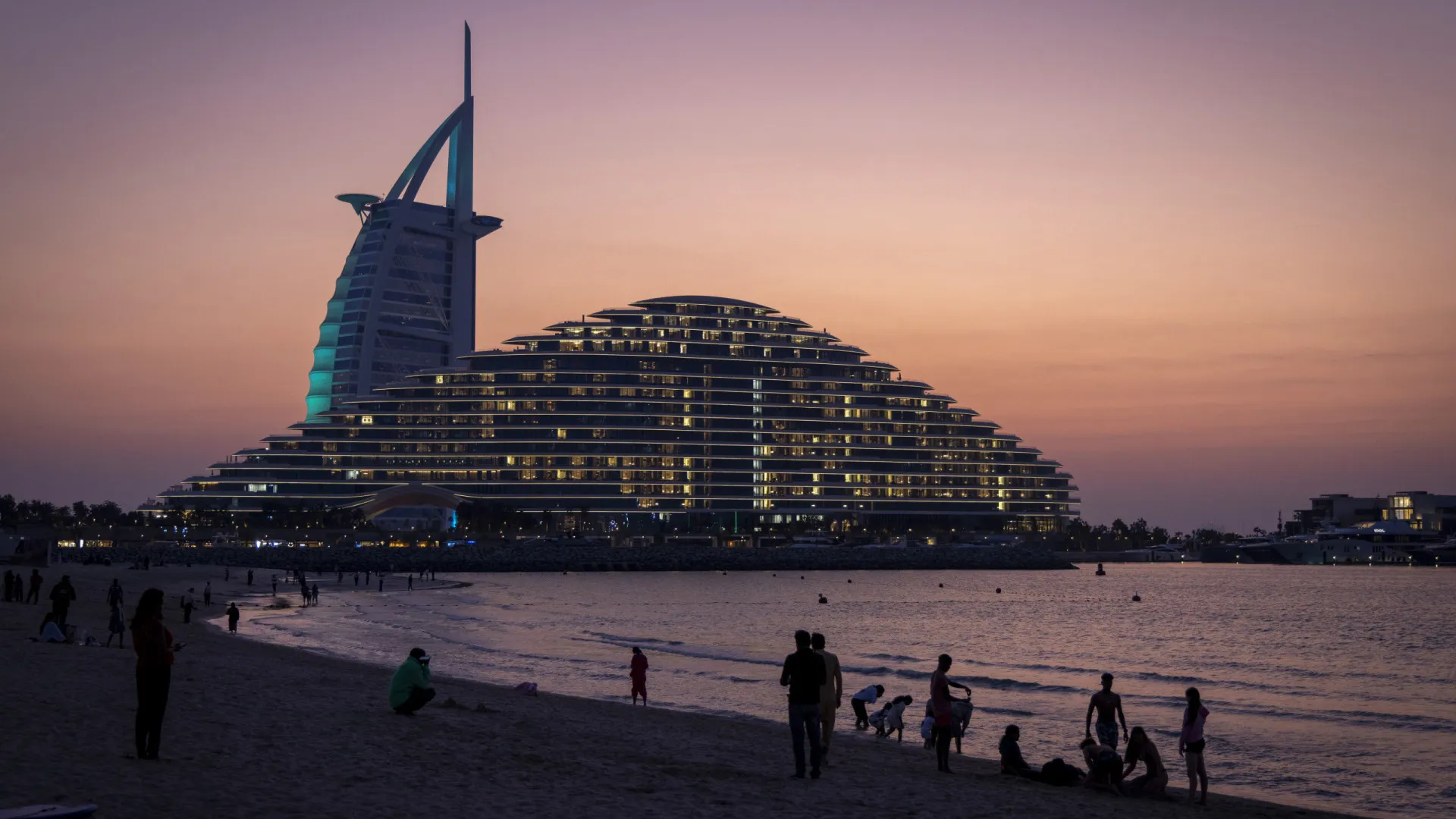
US Military Authorities Impose Cruise Ship Restrictions in the Middle East
The global shipping industry is facing an unusual development, as the Mediterranean Shipping Company (MSC) has announced that one of its cruise ships will remain in the port of Dubai due to guidance from the US military. The decision has raised questions about the level of cooperation between regional authorities and foreign military powers in the Middle East.
According to an official statement released by the MSC, the cruise ship will stay at the Dubai port in accordance with the instructions of American military authorities in the region. The company attributed this decision to “orientations” from the US military, which has significant interests in the Middle East due to ongoing regional conflicts and strategic trade routes.
This development is not an isolated incident. The Middle East has been a strategic location for the US military, which has maintained a significant presence in the region for decades. The US has long been concerned about the safety of its military assets, commercial shipping, and energy supplies in the region. The ongoing conflict in Ukraine and tensions with China have added to the complexity of regional dynamics.
The MSC cruise ship incident highlights the complexities of international shipping in a region with multiple competing interests. The US has traditionally used its military presence in the Middle East to maintain regional security and protect global trade routes. While the exact nature and scope of the US military’s involvement in the MSC’s decision are unclear, it is evident that regional authorities are increasingly seeking guidance from foreign powers.
Global Shipping and the Middle East Connection
The Middle East is a critical hub for international shipping, with the region’s strategic location and vast energy resources making it a vital component of global trade. The region’s shipping lanes are also a key conduit for international trade, with the Strait of Hormuz being one of the world’s most critical chokepoints.
The MSC’s decision to keep the cruise ship in Dubai highlights the complexities of navigating regional security concerns and global shipping interests. The incident also underscores the increasing role of the US military in regional affairs, as the country seeks to maintain its influence in a region with multiple competing interests.
Implications for Global Shipping
The MSC incident raises important questions about the implications for global shipping in the Middle East. As the region continues to be shaped by ongoing conflicts and shifting regional dynamics, the shipping industry will need to navigate complex security considerations and competing interests.
In conclusion, the MSC’s decision to keep the cruise ship in Dubai highlights the complexities of international shipping in a region with multiple competing interests. As the US military continues to play a significant role in regional affairs, the shipping industry will need to adapt to changing regional dynamics and security considerations.