









Brazil’s January 2023 Anti-Democratic Protests: Defendants Sentenced
In a significant development, several individuals have been convicted for their roles in the anti-democratic protests that shook Brazil on January 8, 2023. The sentencing comes as part of a broader effort to address the country’s ongoing polarization and the erosion of democratic norms.
Background and Context
The January 8 protests, which saw violent clashes between demonstrators and law enforcement, were sparked by a range of grievances, including dissatisfaction with President Luiz Inácio Lula da Silva’s administration. The protests, however, quickly escalated into a broader anti-democratic movement, with some participants attempting to seize control of government buildings and disrupt the country’s institutions.
Trial and Sentencing
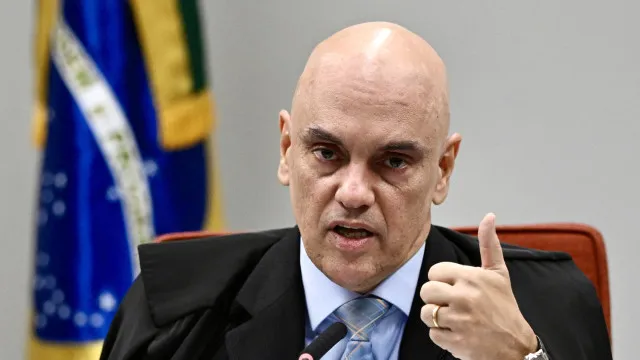
The defendants, who were identified as key figures in the anti-democratic protests, were tried and convicted by the Brazilian Supreme Court (STF). During the trial, their defense team contested the STF’s jurisdiction over the case, arguing that the court lacked the authority to try the defendants. The defense also denied the accusations, claiming that the defendants were merely exercising their constitutional right to peaceful protest.
Relevance of the STF’s Role
The STF’s involvement in the case highlights the critical role of the country’s highest court in upholding democratic norms and protecting the rule of law. As Brazil’s most powerful judicial institution, the STF has a critical responsibility to ensure that the country’s democratic institutions remain intact and that the rule of law is respected.
Historical Context
Brazil’s experience with anti-democratic movements is not new. In the 1960s and 1970s, the country was plagued by a series of military coups and authoritarian regimes, which undermined democratic norms and freedoms. The January 2023 protests, while distinct from these earlier episodes, highlight the ongoing challenges that Brazil faces in consolidating its democratic institutions and protecting its democratic values.
Future Implications
The sentencing of the defendants is a significant development in Brazil’s ongoing struggle to address its democratic challenges. However, it also raises important questions about the country’s future trajectory. Will the government’s efforts to address polarization and promote democratic reforms be sufficient to prevent further anti-democratic movements? Or will the country’s ongoing challenges continue to erode its democratic institutions and undermine its democratic values?
As Brazil continues to navigate these complex questions, it will be essential for the country’s leaders to prioritize democratic reform and work to rebuild trust in the country’s institutions. By doing so, Brazil can ensure that its democratic experiment is not derailed and that the country’s citizens can continue to enjoy the freedoms and rights that democracy affords.
Conclusion
The sentencing of the defendants in the January 2023 anti-democratic protests is a significant step in Brazil’s ongoing efforts to address its democratic challenges. However, it also highlights the complexities and challenges that the country faces in consolidating its democratic institutions and protecting its democratic values. As Brazil continues to navigate these challenges, it will be essential for the country’s leaders to prioritize democratic reform and work to rebuild trust in the country’s institutions.