










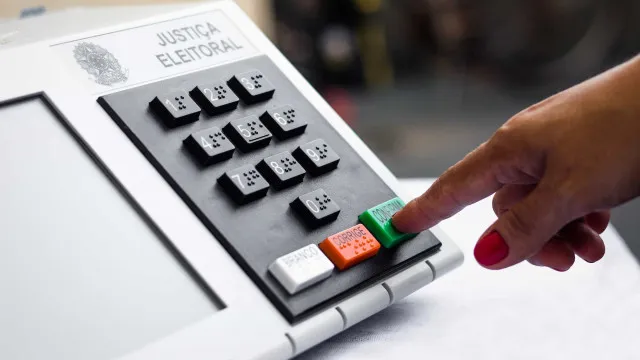
Brazilian Supreme Court Ruling on Electoral Laws Paves Way for Reforms
In a unanimous decision, the Brazilian Supreme Court has determined that any changes to the country’s electoral laws must be approved at least one year prior to the election. This ruling comes on the heels of the recent passage of the Anti-Fascism Law, which prohibits temporary prisoners from casting their ballots. The move marks a significant development in the ongoing efforts to reform Brazil’s electoral system.
Background and Historical Context
Brazil’s electoral laws have been a topic of contention in recent years, with efforts to strengthen the system and prevent electoral manipulation. The country’s electoral laws have undergone several revisions since the end of the military dictatorship in 1985. However, in recent years, concerns have grown over the potential for electoral manipulation, particularly in light of high-profile corruption scandals.
The Anti-Fascism Law, which came into effect at the end of March, is a key component of the government’s efforts to strengthen the electoral system. However, critics argue that the law disproportionately affects certain groups, including those in temporary detention. The Supreme Court’s ruling on electoral laws is seen as a crucial step in addressing these concerns and ensuring the integrity of the electoral process.
Implications and Future Prospects
The Supreme Court’s decision has significant implications for the upcoming elections in Brazil. By requiring any changes to the electoral laws to be approved at least one year prior to the election, the court has effectively created a safeguard against last-minute changes that could be used to manipulate the outcome. This move is seen as a positive step towards ensuring the integrity of the electoral process.
However, the ruling also raises questions about the potential for the government to use the electoral laws to its advantage. By requiring changes to be approved well in advance, the government may be able to shape the electoral landscape in its favor. Critics argue that this could undermine the democratic process and create an uneven playing field.
Conclusion
The Brazilian Supreme Court’s ruling on electoral laws marks a significant development in the ongoing efforts to reform the country’s electoral system. While the move is seen as a positive step towards ensuring the integrity of the electoral process, it also raises questions about the potential for the government to use the laws to its advantage. As Brazil prepares for the upcoming elections, the implications of this ruling will be closely watched by observers and analysts alike.
**Keywords:** Brazil, Supreme Court, Electoral Laws, Anti-Fascism Law, Election Reform, Democracy, Electoral Integrity.