







Brazilian Politics: Marcelão Steps Down from Advertising Agency to Support Flávio’s Presidential Campaign
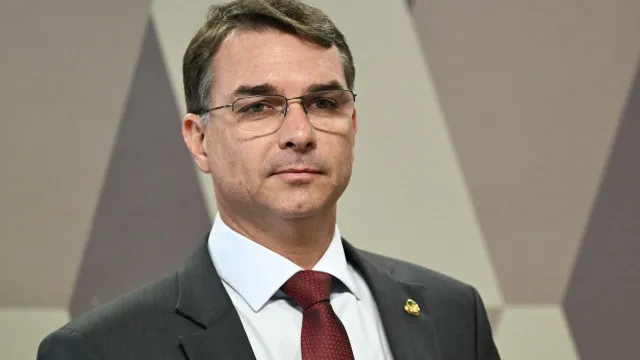
The intricate world of Brazilian politics has witnessed another significant development, with Marcelão, a close friend and trusted advisor to prospective presidential candidate Flávio, planning to leave his position as the owner of Cálix Propaganda. This advertising agency, founded by Marcelão, has been instrumental in shaping Flávio’s public image in the run-up to the presidential election.
Marcelão’s Background: A Blend of Media and Law Enforcement Expertise
Marcelão, whose real name is Marcelo de Souza, boasts an impressive resume that spans both the advertising industry and law enforcement. Prior to establishing Cálix Propaganda, Marcelão served as a civil police officer in the Federal District, Brazil. His law enforcement experience undoubtedly lends depth to his understanding of the complexities of Brazilian politics. This unique blend of expertise in media and law enforcement has enabled Marcelão to skillfully navigate the intersection of politics and public relations.
A Strategic Move: Preparing for a New Role
As Marcelão prepares to step down from Cálix Propaganda, he is expected to assume an official role in Flávio’s presidential campaign. This transition marks a significant milestone in the campaign’s momentum, as Marcelão’s extensive experience in advertising and law enforcement will undoubtedly prove valuable assets in shaping Flávio’s public image and campaign strategy. The official start date for Marcelão’s new role is anticipated to be early June, allowing him sufficient time to prepare for the upcoming presidential election.
Historical Context: The Role of Advertising in Brazilian Politics
The significance of advertising agencies in shaping public opinion and influencing election outcomes cannot be overstated. In Brazil, where media plays a critical role in disseminating information to the masses, advertising agencies like Cálix Propaganda have become essential instruments in the hands of politicians seeking to reach a wider audience. Marcelão’s decision to step down from his agency and assume an official role in Flávio’s campaign serves as a testament to the pivotal role that advertising agencies play in contemporary Brazilian politics.
Future Implications: The Impact of Marcelão’s Move on Flávio’s Campaign
As Marcelão assumes his new role, Flávio’s campaign will likely benefit from Marcelão’s expertise in advertising and law enforcement. Marcelão’s ability to craft compelling narratives and shape public perception will undoubtedly prove valuable assets in the run-up to the presidential election. However, the move also raises questions about the influence of advertising agencies in shaping election outcomes and the potential for conflicts of interest in the intersection of politics and media.
In conclusion, Marcelão’s decision to step down from Cálix Propaganda and assume an official role in Flávio’s presidential campaign marks a significant development in the world of Brazilian politics. As the country prepares for the upcoming presidential election, Marcelão’s expertise will undoubtedly prove invaluable in shaping Flávio’s public image and campaign strategy. The implications of this move will be closely watched by observers, who will be eager to assess the impact of Marcelão’s role on the campaign’s momentum and the broader dynamics of Brazilian politics.