










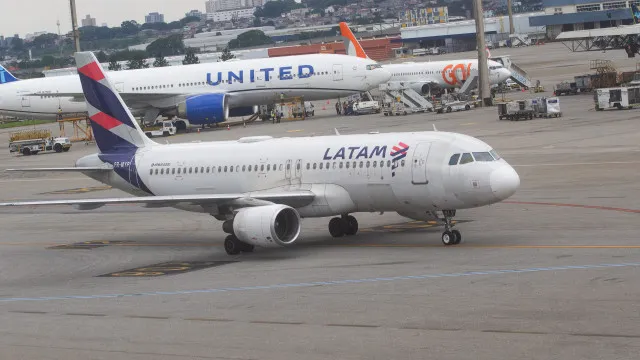
Airliner Forced to Abort Flight Due to Technical Issues
In a recent incident, a Latam Airlines flight was compelled to divert from its original course after the aircraft encountered technical difficulties shortly after takeoff. According to the airline’s statement, the flight was forced to make an emergency landing due to the technical problems encountered.
Technical Issues and Safety Protocols
Latam Airlines, a major Chilean-based carrier, has a robust safety record and adheres to strict maintenance and inspection schedules to ensure the airworthiness of its fleet. However, even with the most stringent protocols in place, technical issues can still arise. In such situations, the safety of passengers and crew is the top priority, and the flight crew is trained to respond promptly to any technical malfunctions.
The incident highlights the importance of stringent maintenance and inspection schedules in the aviation industry. Airlines must ensure that their aircraft are properly maintained, and any potential issues are addressed before flights depart. This not only ensures passenger safety but also maintains the reputation of the airline and the aviation industry as a whole.
Airworthiness Directives and Maintenance Schedules
The Federal Aviation Administration (FAA) and other regulatory bodies around the world issue airworthiness directives to airlines, requiring them to address specific technical issues with their aircraft. These directives are typically issued after thorough investigations into incidents or near-miss events, and airlines must comply with these directives to ensure the continued airworthiness of their fleet.
In the case of Latam Airlines, it is unclear what specific technical issues were encountered by the aircraft. However, it is likely that the airline will conduct a thorough investigation into the incident and implement any necessary maintenance or repairs to prevent similar issues from arising in the future.
Passenger Safety and Incident Response
Passengers on the affected flight were likely shaken by the unexpected diversion, but it is reassuring to note that the airline’s response to the incident was swift and professional. Latam Airlines prioritized passenger safety and ensured that all passengers were safely disembarked and provided with necessary assistance.
The incident serves as a reminder of the importance of passenger safety and the need for airlines to maintain a robust safety culture. While technical issues can arise, airlines must be prepared to respond promptly and effectively to ensure the safety of their passengers.
Conclusion
The recent incident involving a Latam Airlines flight highlights the importance of technical maintenance and inspection schedules in the aviation industry. While technical issues can still arise, airlines must prioritize passenger safety and respond promptly to any incidents. By doing so, airlines can maintain a robust safety culture and ensure the continued airworthiness of their fleet.