







Rising Fears of Extreme Fire Behaviours in Saskatchewan
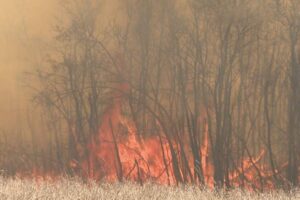
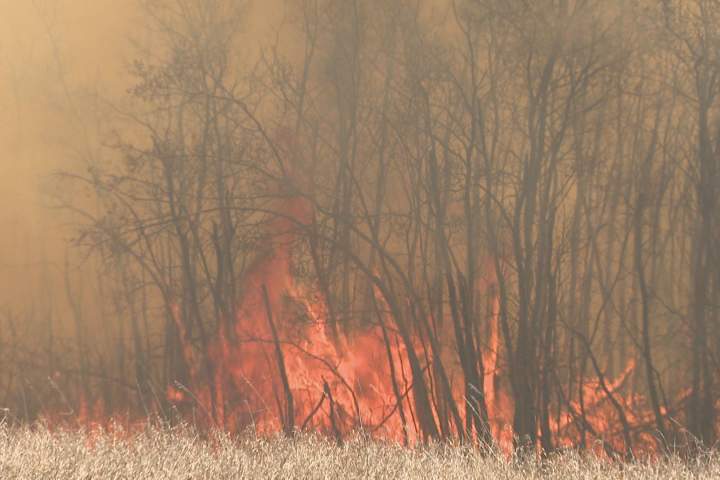
The Saskatchewan Public Safety Agency has issued a pressing warning regarding the extreme fire potential in the southern and central regions of the province. As the province braces for a potentially devastating wildfire season, residents and emergency responders are on high alert. This situation is not isolated, as climate change continues to exacerbate the risk of extreme fires globally.
Historical Context: The 2015 Saskatchewan Wildfires
In 2015, a series of devastating wildfires raged across Saskatchewan, burning over 600,000 hectares of land and displacing thousands of people. The fires highlighted the province’s vulnerability to extreme fire events and underscored the need for proactive measures to mitigate the risk. The Saskatchewan government implemented various policies and strategies to enhance fire prevention and response efforts. However, the current warning suggests that these efforts may not be sufficient to counter the growing threat of extreme fires.
Understanding Extreme Fire Behaviours
Extreme fire behaviours refer to the unpredictable and intense characteristics of wildfires, which can spread rapidly and be difficult to contain. These events are often driven by a combination of factors, including high temperatures, strong winds, and dry vegetation. In Saskatchewan, the southern and central regions are particularly susceptible to extreme fire events due to their geography and climate. The province’s rolling hills and vast prairies create a high-risk environment for wildfires to spread quickly.
The Impact of Climate Change
Climate change is playing a significant role in the growing risk of extreme fires in Saskatchewan. Rising temperatures and changing precipitation patterns are creating conditions that are conducive to wildfires. Warmer temperatures and reduced moisture levels in vegetation are making it more prone to ignition and spread. The Saskatchewan government has acknowledged the importance of addressing climate change in its fire prevention and response efforts.
Preparing for the Worst
In light of the Public Safety Agency’s warning, residents in the affected regions are advised to take immediate action to protect themselves and their properties. This includes creating defensible spaces, having a wildfire evacuation plan in place, and staying informed about local fire conditions. Emergency responders are also gearing up for a busy season, with additional resources and personnel being deployed to high-risk areas.
Conclusion: The Importance of Collective Action
The rising fears of extreme fire behaviours in Saskatchewan serve as a stark reminder of the importance of collective action in addressing the growing risk of wildfires. While the Saskatchewan government has implemented various measures to mitigate the risk, the current warning highlights the need for continued vigilance and proactive efforts. By working together, residents, emergency responders, and government agencies can reduce the risk of extreme fires and ensure a safer future for all.
**Keywords:** Saskatchewan, Public Safety Agency, extreme fire behaviours, wildfires, climate change, fire prevention, emergency response.
Sources:
* Saskatchewan Public Safety Agency
* Government of Saskatchewan
* Environment and Climate Change Canada
* Canadian Wildland Fire Strategy
Source: globalnews.ca