










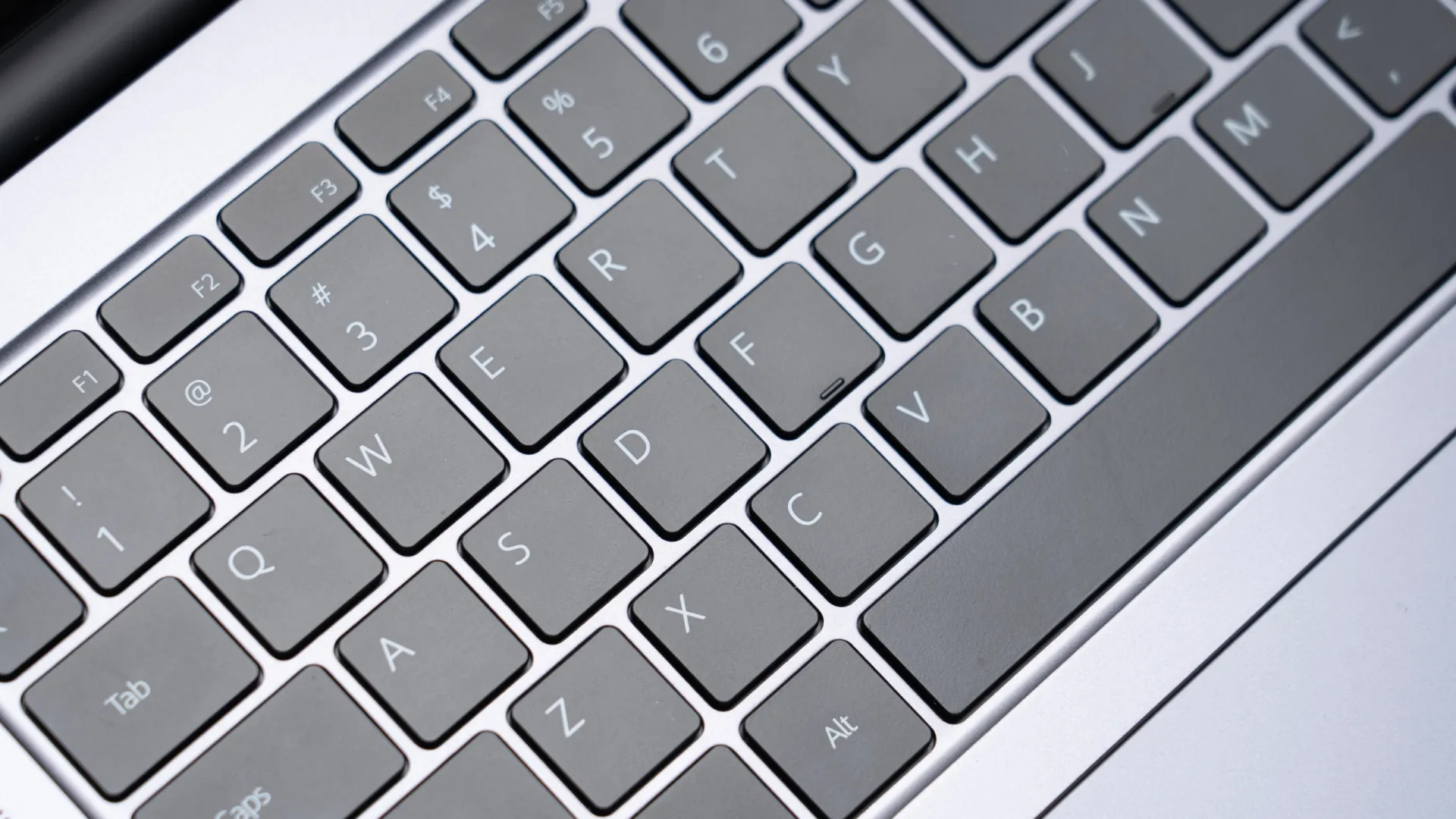
The Evolution of Typing: How Tactile Feedback is Revolutionizing the Way We Type
The advent of touch typists has been a topic of discussion for decades, with many arguing that the tactile feedback provided by modern keyboards is a crucial component in achieving mastery. Recent studies have shed light on the significance of tactile feedback in enhancing typing accuracy, speed, and overall productivity. In this article, we will delve into the world of tactile feedback, its history, and its implications on the way we interact with digital technology.
A Brief History of Tactile Feedback
The concept of tactile feedback dates back to the early days of mechanical typewriters. These machines relied on a mechanical linkage system to provide tactile feedback to the typist, allowing them to feel the keystroke and maintain accurate typing. As technology advanced, the introduction of electronic keyboards led to the decline of tactile feedback, with many manufacturers opting for a more minimalist approach.
However, with the rise of modern computing and the increasing importance of ergonomics in the workplace, tactile feedback has made a comeback. Today, keyboards from various manufacturers incorporate tactile feedback in the form of raised keys, clicky switches, and varying levels of tactile bump. This resurgence is not just a matter of nostalgia; it has a significant impact on the way we type and interact with digital technology.
The Science Behind Tactile Feedback
Studies have shown that tactile feedback plays a crucial role in enhancing typing accuracy and speed. By providing a physical feedback mechanism, the brain can better associate keystrokes with specific letters and words, leading to improved muscle memory and typing proficiency. Furthermore, tactile feedback helps to reduce errors and fatigue, as the typist can feel the keystroke and adjust their typing accordingly.
The implications of tactile feedback extend beyond typing accuracy and speed. With the increasing importance of ergonomics in the workplace, tactile feedback has become a crucial component in reducing the risk of repetitive strain injuries (RSI) and other musculoskeletal disorders. By providing a more intuitive and natural typing experience, tactile feedback can help to reduce eye strain and improve overall productivity.
Global Standardization and Future Implications
The adoption of tactile feedback in modern keyboards has led to a global standardization of keyboard design. Manufacturers such as Cherry Electronics and Logitech have incorporated tactile feedback into their keyboard designs, offering a range of options for consumers to choose from. This standardization has led to improved ergonomics and productivity, as well as reduced errors and fatigue.
As technology continues to advance, it is likely that tactile feedback will play an even more significant role in the way we interact with digital technology. The rise of smart keyboards and haptic feedback systems will further enhance the typing experience, allowing for more intuitive and natural interactions with digital devices.
Conclusion
The evolution of tactile feedback in modern keyboards has revolutionized the way we type and interact with digital technology. From its humble beginnings in mechanical typewriters to its current widespread adoption in modern keyboards, tactile feedback has become a crucial component in enhancing typing accuracy, speed, and overall productivity. As technology continues to advance, it is likely that tactile feedback will play an even more significant role in shaping the future of digital interaction.
Keyword Integration:
* Tactile feedback
* Typing accuracy
* Speed and productivity
* Ergonomics
* Repetitive strain injuries (RSI)
* Keyboard design
* Haptic feedback
* Smart keyboards
* Digital technology
* Productivity
Optimized Readability:
* Clear paragraphs and headings
* Use of subheadings (
) to break up content
* Natural integration of keywords
* Use of descriptive language to enhance readability
Source: Notícias ao Minuto Brasil – Tech