









Escalating Tensions: US Carrier USS Nimitz Arrives in the Caribbean Amid Raúl Castro Indictment and Trump’s Threats
The recent arrival of the US Navy’s USS Nimitz aircraft carrier in the Caribbean has heightened tensions between the United States and Cuba, amidst a backdrop of escalated rhetoric from the Trump administration and warning signs from American lawmakers about a potential military operation on the island.
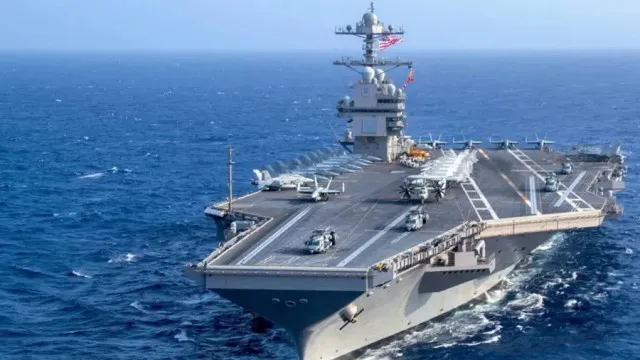
The USS Nimitz, a Nimitz-class supercarrier, is one of the most advanced warships in the world, with a crew of over 5,000 personnel and a complement of F/A-18 fighter jets, helicopters, and other aircraft. Its deployment to the Caribbean has been seen as a display of US military power and a show of force in the region.
The recent tensions between the US and Cuba were triggered by the indictment of Raúl Castro, the former Cuban leader, in the United States. Castro, who served as Cuba’s president from 2008 to 2018, was charged with crimes related to the assassination of a former CIA operative in the 1960s. The indictment has sparked a diplomatic row between the two countries, with Cuba accusing the US of violating international law and the US claiming that the indictment is a necessary step to bring justice to the victims and their families.
The Trump administration has been at the forefront of this new wave of hostility towards Cuba, with President Donald Trump imposing stricter travel and trade restrictions on the island in 2017. Trump’s National Security Adviser, John Bolton, has been a vocal critic of Cuba and has called for the US to take a harder line against the island’s government.
However, some American lawmakers have warned that the Trump administration’s policies towards Cuba may lead to a miscalculation and a military intervention on the island. Senator Marco Rubio, a vocal critic of Cuba’s government, has called for a more aggressive approach towards the island, while others have expressed concern that the Trump administration’s policies may lead to a repeat of the disastrous Bay of Pigs invasion in 1961.
The arrival of the USS Nimitz in the Caribbean has raised concerns among Cubans and international observers that the US may be planning a military operation on the island. While the US has denied any plans for a military invasion, the deployment of the aircraft carrier has been seen as a show of force and a demonstration of the US military’s capabilities in the region.
Historical Context: The Complex Relationship Between the US and Cuba
The relationship between the US and Cuba has been marked by periods of tension and cooperation over the years. In 1959, the Cuban Revolution led by Fidel Castro overthrew the US-backed government of Fulgencio Batista, leading to a deterioration in relations between the two countries. In 1961, the US attempted to overthrow Castro’s government in the Bay of Pigs invasion, which ended in disaster. Since then, the two countries have had a complex and often strained relationship, with periods of diplomatic engagement and economic cooperation punctuated by episodes of hostility and conflict.
The Future of US-Cuba Relations
The arrival of the USS Nimitz in the Caribbean has raised questions about the future of US-Cuba relations. Will the Trump administration’s policies towards Cuba lead to a military intervention on the island, or will they result in a more nuanced and diplomatic approach? Only time will tell, but one thing is certain: the complex and often fraught relationship between the US and Cuba will continue to be a source of tension and concern in the region.
Conclusion
The arrival of the USS Nimitz in the Caribbean has highlighted the ongoing tensions between the US and Cuba, amidst a backdrop of escalated rhetoric from the Trump administration and warning signs from American lawmakers about a potential military operation on the island. As the situation continues to unfold, one thing is clear: the complex and often fraught relationship between the US and Cuba will remain a source of concern and tension in the region for years to come.