









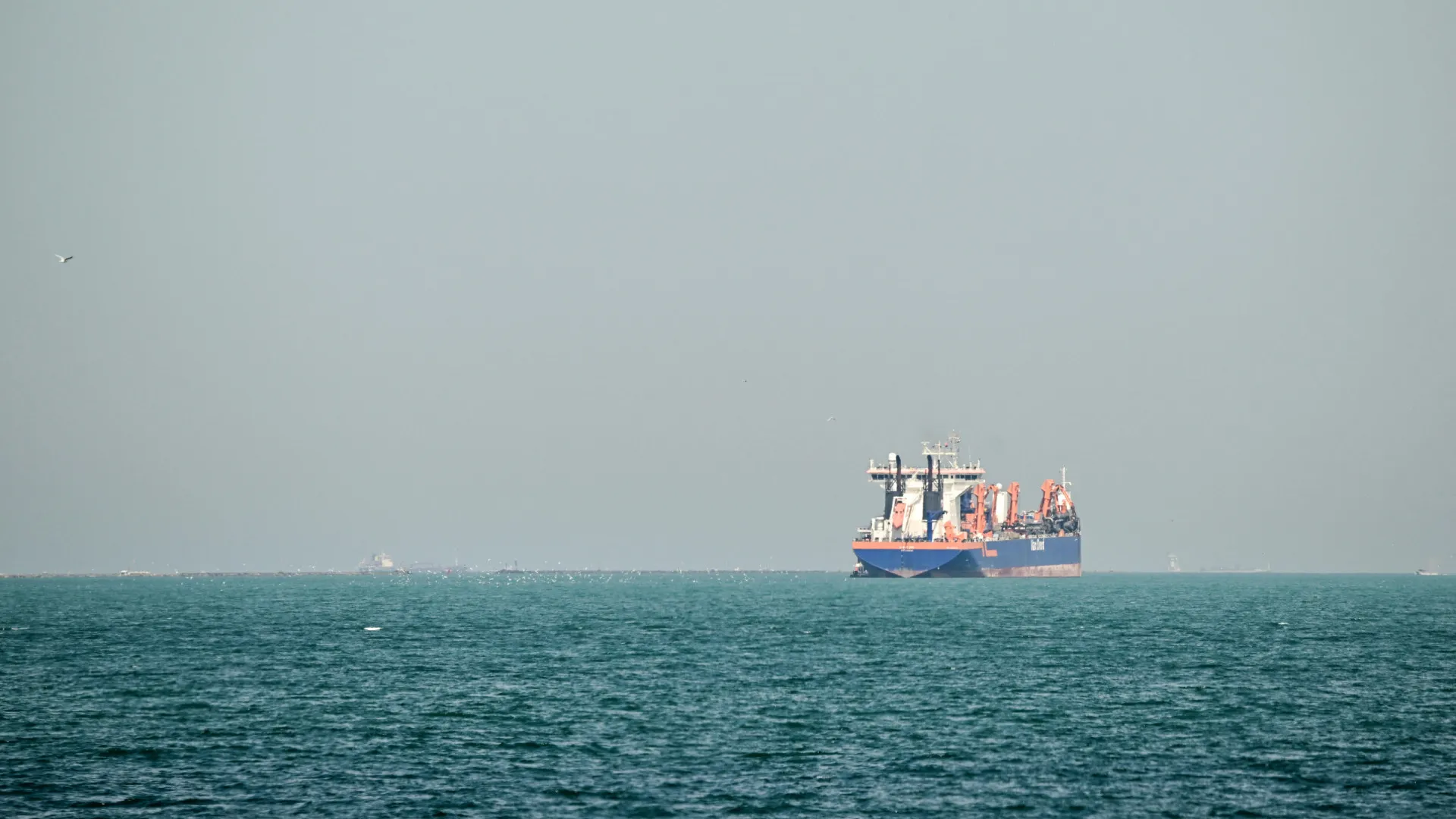
Crucial Waterway Under Siege: Unpacking the Strategic Importance of the Strait of Hormuz
The Strait of Hormuz, a 70-mile-wide waterway connecting the Gulf of Oman to the Persian Gulf, has become a focal point of international tensions, particularly between the United States, the United Kingdom, and Iran. The region’s geology presents a formidable challenge to military operations, making it an ideal location for Iran to leverage its strategic position. Recent reports indicate that at least 17 commercial vessels, including oil tankers, have been targeted in the Gulf and the Strait of Hormuz, according to a New York Times investigation.
A History of Tensions: Understanding the Strait’s Strategic Significance
The Strait of Hormuz has long been a critical artery for global oil supplies, with an estimated 20% of the world’s oil passing through the waterway. Iran’s control over the region has been a contentious issue, particularly since the 1979 Islamic Revolution. The country’s unique geography, characterized by a narrow, shallow, and rocky shoreline, makes it an ideal location for Iran to exert its influence. This natural barrier has historically hindered military incursions, allowing Iran to maintain a strong defensive position.
Recent Developments: A Pattern of Aggression
The recent surge in attacks on commercial vessels in the region suggests a pattern of aggression by Iran or its proxies. The attacks have raised concerns about the safety of maritime trade and the potential for a wider conflict in the region. While the United States and its allies have accused Iran of being responsible for the attacks, Tehran has denied any involvement. The situation has sparked a diplomatic crisis, with the United States imposing economic sanctions on Iran and the country retaliating by seizing a British oil tanker.
Global Implications: A Ticking Time Bomb
The escalating tensions in the Strait of Hormuz have significant global implications. The region’s oil supply is critical to the world economy, and disruptions to the flow of oil could have severe consequences for global markets. The situation also raises concerns about the potential for a wider conflict in the region, drawing in other major powers. The United States, in particular, has a significant interest in maintaining stability in the region, given its strategic location and the presence of U.S. military bases in the area.
Conclusion: A Delicate Balance
The Strait of Hormuz is a critical waterway that has become a focal point of international tensions. The recent surge in attacks on commercial vessels has raised concerns about the safety of maritime trade and the potential for a wider conflict in the region. As the situation continues to unfold, it is essential to understand the strategic importance of the Strait and the complex historical context that has led to the current crisis. A delicate balance is needed to prevent further escalation and maintain stability in the region, ensuring the free flow of oil and preventing a potentially devastating conflict.