







Flooding Brings Devastation to Northeastern Brazil: Thousands Displaced
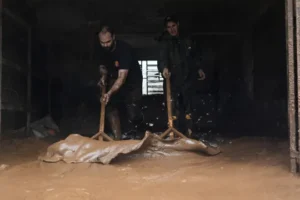
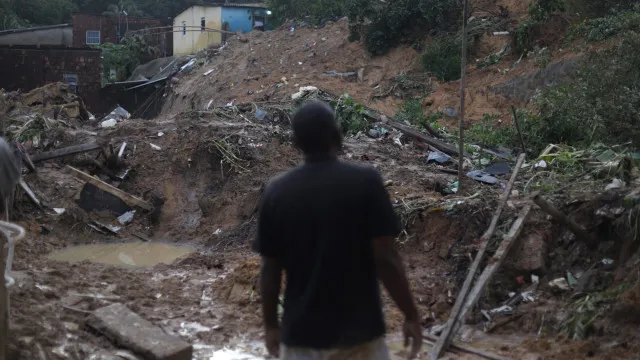
In the aftermath of torrential rains that swept through the northeastern states of Pernambuco and Paraíba in Brazil, the scale of destruction has become increasingly clear. According to the latest figures from the State Defense Civil, a total of 2,694 people have been left without a home, with 1,605 families forced to seek shelter in temporary accommodations and 1,089 individuals relocated to safer areas. While the full extent of the damage is still emerging, the impact on local communities is undeniable.
A Region Prone to Flooding
The northeast region of Brazil is no stranger to intense rainfall and flooding. The area’s geography, characterized by a flat terrain and dense population, makes it particularly vulnerable to the effects of heavy precipitation. The 2022 floods in Pernambuco, for instance, affected over 10,000 people and caused widespread destruction. In recent years, similar events have been reported in other parts of the country, highlighting the need for effective disaster preparedness and mitigation strategies.
Challenges in Providing Relief
The Brazilian government has pledged to provide support to affected families, including emergency shelter, food, and medical aid. However, the scale of the disaster has put a significant strain on local resources, with many communities struggling to access basic necessities. The situation is further complicated by the fact that many families have lost their livelihoods, including small-scale farmers and fishermen, who are critical to the local economy.
Looking Ahead: A Need for Sustainable Solutions
As the people of Pernambuco and Paraíba begin the long process of rebuilding and recovery, it is essential to consider the root causes of the disaster. Climate change, deforestation, and inadequate infrastructure are all contributing factors that must be addressed in the long term. By investing in sustainable infrastructure, promoting environmentally friendly practices, and supporting disaster-resilient communities, Brazil can reduce the impact of future flooding events and create a more resilient future for its citizens.
Conclusion
The recent flooding in Pernambuco and Paraíba serves as a poignant reminder of the importance of disaster preparedness and mitigation in Brazil. As the country continues to grapple with the aftermath of the disaster, it is crucial to prioritize sustainable solutions that address the root causes of the problem. By working together, Brazil can build a more resilient future for its people and reduce the devastating impact of future flooding events.
**Keywords:** Flooding, Northeastern Brazil, Pernambuco, Paraíba, Disaster Relief, Sustainable Solutions, Climate Change, Deforestation, Infrastructure.