





Brazilian Politics: A Glimpse into the Inner Workings of the Nation’s Ruling Class
In the latest development in Brazilian politics, a senator has taken to social media to mock the reaction of Janja, the wife of President Luiz Inácio Lula da Silva, following an incident where Lula was photographed with a supporter. The incident has sparked debate about the inner workings of the nation’s ruling class and the lengths to which they will go to maintain a veneer of respectability.
A Glimpse into the Personal Life of the President
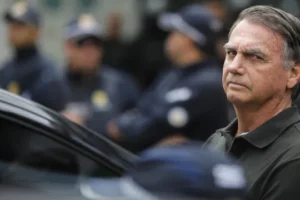
The incident in question occurred at a time when President Lula was still recovering from cataract surgery. The photograph, which has been widely shared on social media, shows the President smiling and posing with a supporter in a warm and informal setting. However, the reaction of Janja, who was seated nearby, has been the subject of much mockery and ridicule.
A Senator’s Barbed Comment
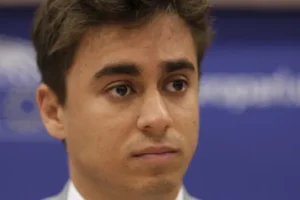
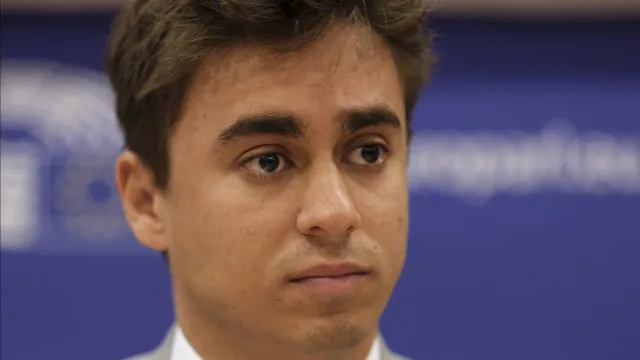
Senator Nikolas, who has been a vocal critic of the Lula administration, was quick to react to the incident, posting a comment on social media that highlighted Janja’s expression. “And the fear of losing the luxury vacations?” he wrote, accompanied by a video of the moment when the photograph was taken. Nikolas’ comment was a clear reference to the lavish lifestyle that many members of the Brazilian ruling class are known to enjoy.
A History of Corruption and Extravagance
The comment made by Senator Nikolas is not without context. The Brazilian government has a long history of corruption and extravagance, with many politicians and officials accused of using their positions for personal gain. The Lula administration has been no exception, with several high-ranking officials accused of corruption and embezzlement.
Implications for the Lula Administration
The incident, and Nikolas’ subsequent comment, has sparked debate about the implications for the Lula administration. Will the President’s decision to take a photograph with a supporter be seen as a sign of weakness or a attempt to connect with the common man? Only time will tell, but one thing is certain: the incident has given the opposition a new talking point to exploit.
Conclusion
The incident highlights the complex and often fraught nature of Brazilian politics. As the country continues to navigate the challenges of economic inequality and corruption, the personal lives of its leaders will continue to be under scrutiny. Whether the Lula administration can maintain a veneer of respectability in the face of these challenges remains to be seen.