









Rising Gas Prices in Canada: A Perfect Storm of Global Tensions and Economic Pressures
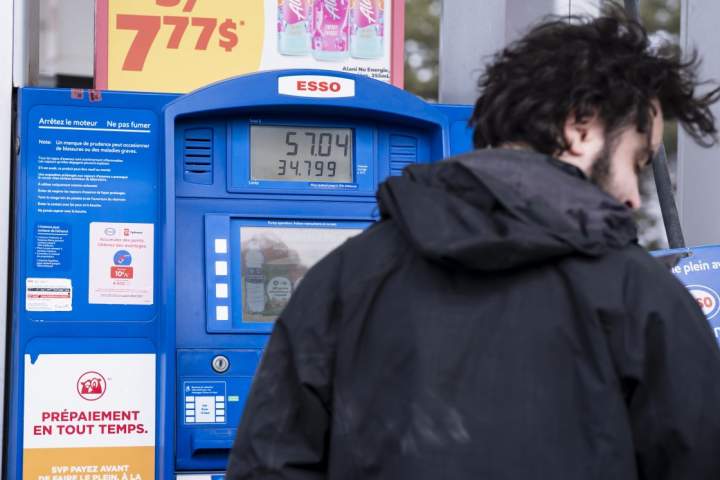
The ongoing Iran conflict has sent shockwaves through the global energy market, contributing to a sharp increase in gas prices in Canada. As the conflict escalates, consumers are grappling with the rising cost of living, leaving many to wonder how much higher gas prices might climb in the coming months.
Historical Context: The Impact of Global Conflicts on Energy Markets
Global conflicts have a long history of disrupting energy markets and driving up prices. The Iran-Iraq War in the 1980s, the Gulf War in 1990, and the Syrian Civil War in the 2010s are just a few examples of how conflicts in the Middle East have impacted global energy supplies and prices. In each of these instances, the conflict led to a shortage of oil supplies, driving up prices and putting pressure on consumers.
The Effect of Sanctions on Global Oil Supplies
The Iran conflict has led to a significant reduction in global oil supplies, as countries around the world impose economic sanctions on the country. These sanctions have made it difficult for Iran to sell its oil on the global market, leading to a shortage of oil supplies and driving up prices. Additionally, the sanctions have disrupted the global supply chain, making it difficult for countries to access the oil they need to meet their energy demands.
The Impact on Canadian Consumers
The rising gas prices in Canada have had a significant impact on consumers, particularly those in rural areas who rely on their vehicles for transportation. The increased cost of living has put a strain on many families, who are struggling to make ends meet. The Canadian government has implemented various measures to mitigate the impact of rising gas prices, including the introduction of a gas tax credit. However, these measures have been criticized for being insufficient to address the scale of the problem.
The Future of Energy Markets: A Multifaceted Challenge
The rise in gas prices in Canada is a symptom of a broader challenge facing the global energy market. The growing demand for energy, coupled with a decline in global oil supplies, has created a perfect storm of economic pressures. As the world transitions to cleaner energy sources, the global energy market is undergoing a significant transformation. However, this transformation is not without its challenges, and the current rise in gas prices in Canada is a stark reminder of the complexities involved.
Conclusion: A Call to Action
As the Iran conflict continues to escalate, consumers in Canada are facing the brunt of rising gas prices. The impact on the cost of living is significant, and the future implications are uncertain. While governments and policymakers are working to mitigate the impact of rising gas prices, the solution to this complex problem will require a multifaceted approach. By understanding the historical context, economic pressures, and global implications of the Iran conflict, we can work towards a more sustainable and equitable energy future.
Key Statistics:
– According to the Canadian Energy Information Administration, gas prices have risen by over 20% since the start of the Iran conflict.
– The average Canadian household spends over $1,000 per year on gas, a significant burden for many families.
– The Canadian government has implemented various measures to mitigate the impact of rising gas prices, including the introduction of a gas tax credit.
Sources:
– Canadian Energy Information Administration
– Natural Resources Canada
– International Energy Agency
Source: globalnews.ca